Gleanings of the Week Ending April 4, 2026

The items below were ‘the cream’ of the articles and websites I found this past week. Click on the light green text to look at the article.

3/23/2026 Smithsonian Magazine These Mesmerizing Waterfalls Flow Only Every Few Years. See the Rare Marvel Now in Southwest Utah - A rare red rock waterfall is flowing once again in southwest Utah, leaving visitors in awe of its cinematic beauty.

3/23/2026 Science Daily Scientists discover hormone that may stop chronic back pain at its source - A hormone-based treatment could help ease chronic back pain by reducing abnormal nerve growth within damaged spinal tissue. During spinal degeneration, pain-sensing nerves grow into regions where they normally do not exist. Our findings show that parathyroid hormone can reverse this process by activating natural signals that push these nerves away.

3/14/2026 NPR Reframing Georgia O'Keeffe's legacy and protecting the land she loved - A historic new conservation plan will protect that landscape, with its colorful cliffs and buttes, forevermore.

3/12/2026 Clean Technica Extreme Heat Limits Outdoor Activities for One Third of Human Population -Scientists from the Nature Conservancy have published a study in the journal Environmental Research — Health that finds nearly a third of people alive today are unable to work outdoors safely in the higher temperatures prevalent in much of the world. On average, people over 65 now experience about 900 hours each year when heat severely restricts safe outdoor activity, compared with 600 hours in 1950. The most severe challenges are found in southwest Asia — Bahrain, Qatar, Kuwait, the United Arab Emirates, Iraq, and Oman,; south Asia — Pakistan, Bangladesh, and India; and parts of west Africa — Mauritania, Mali, Burkina Faso, Senegal, Djibouti, and Niger.

3/16/2026 National Wildlife Federation Toxins of the Past and Present: Why We Need the EPA - Environmental protections are critical for the health of our ecosystems and communities, and the science and regulatory capacity of the EPA exists to prevent the dire adverse health outcomes caused by environmental pollution–for people and wildlife. Without efforts to protect us, we risk exposure to toxins of the past and present–a fight that has been going on in the United States for decades.

3/26/2026 Yale Environment 360 As It Boosts Renewables, China Still Can’t Break Its Coal Addiction - China is the biggest installer of renewable energy, the biggest emitter of greenhouse gases, and the biggest user of coal.

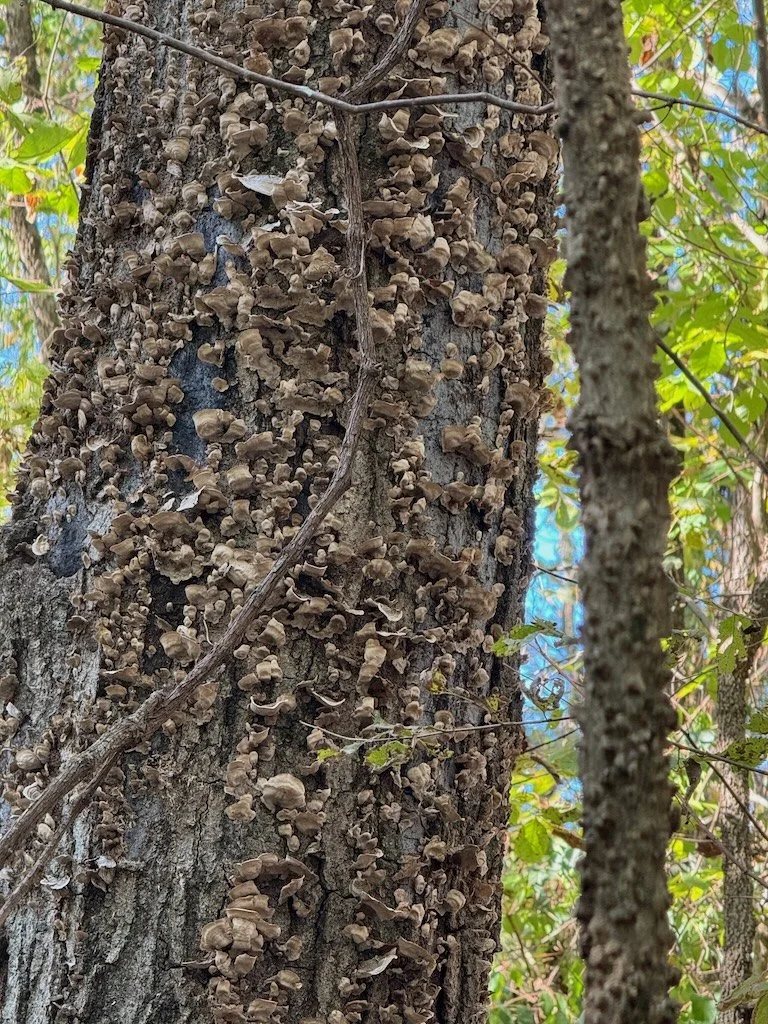
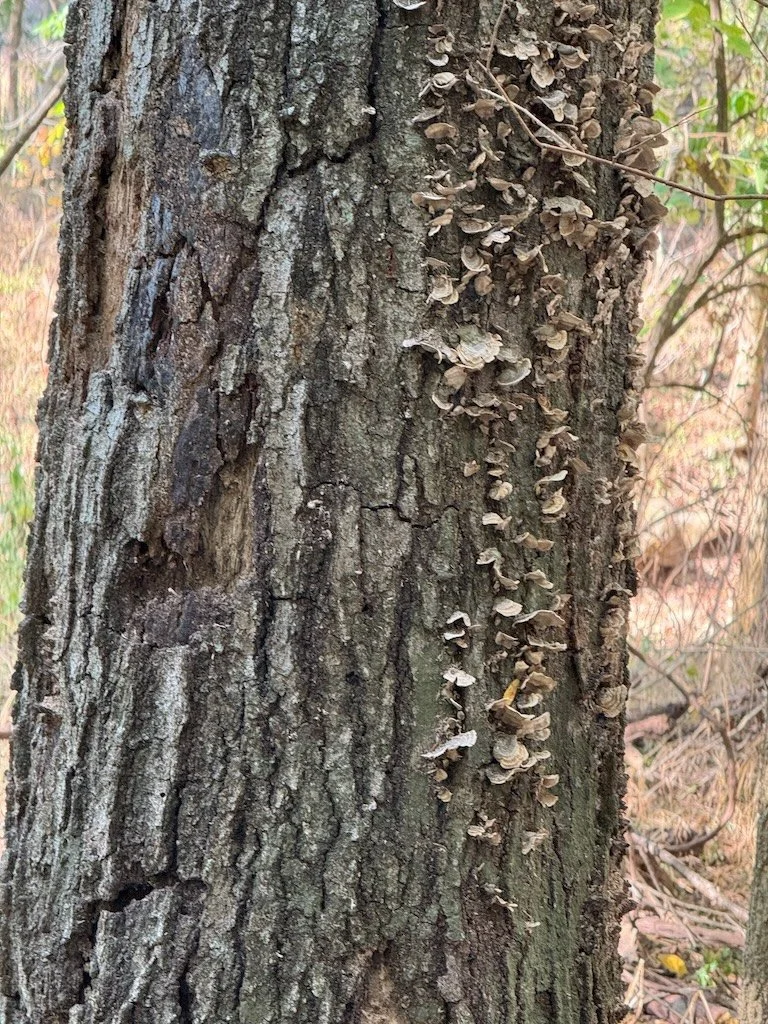
3/26/2026 BBC An unstoppable mushroom is tearing through North American forests. Fungi enthusiasts are doing damage control - A rogue mushroom native to Asia is ripping through North American forests, after escaping from cultivation. As it runs riot, mushroom enthusiasts are rescuing the native fungi in its path. Native to Asia, the fungus was brought over to the US to be cultivated for food sometime around the early 2000s. Because it fruits so heavily, it proved to be popular with both professional and home growers. It has a high yield, meaning more profit for growers. t's now been found in 25 US states and one Canadian province.

3/24/2026 ArtNet More Than 300 Yayoi Kusama Works Take Over a German Museum – The artist is now 97 years old….lots of polka dots and pumpkins!

3/24/2026 New York Times Wicked Stepmother No Longer, a Female Pharaoh Gets a Reputational Makeover - In the 1920s, while excavating for tombs at Deir el-Bahri in Luxor, archaeologists were confronted with a baffling crime scene: thousands of smashed statues and desecrated reliefs of Hatshepsut, one of ancient Egypt’s few, and most successful, female pharaohs. New scholarship shows that a good portion of the harm was incidental, caused by the physical removal of her statuary from her temples.

3/27/2026 The Conversation A flesh‑eating fly is advancing towards the US border – can it be stopped? - The New World screwworm (Cochliomyia hominivorax) lays its eggs in open wounds and in the orifices of live, warm-blooded animals – including, occasionally, humans. The maggots then devour the animal’s flesh, causing devastating lesions that can quickly kill the infested host. Before the 1950s, it was found in the southern states of the US, where cattle infestations caused heavy financial losses for beef producers. But, during the second half of the 20th century, eradication efforts pushed it out of North and Central America. In the past few years, however, screwworm control has unraveled, with cases spiking across Central America. The fly has now spread north through Mexico, reaching two Mexican states – Tamaulipas and Nuevo Leon – that share a border with Texas. International cooperation is required for management at a geographically relevant scale.

eBotanical Prints – March 2026

Twenty more books were added to my botanical print eBook collection in March – all are available for browsing on Internet Archive.   I continued working my way through the Carnivorous Plant Newsletters; there are 4 volumes per year so I only browsed late 1999 to 2004 in March; I’ll continue browsing this periodical in April.

My list of eBotanical Prints books now totals 3,323 eBooks I’ve browsed over the years. The whole list can be accessed here.

Click on any sample image from March’s 20 books below to get an enlarged version…and the title hyperlink in the list below the image mosaic to view the entire volume where there are a lot more botanical illustrations to browse.

Enjoy the March 2026 eBotanical Prints!

Carnivorous plant newsletter v.28:no.2 (1999)  * California State University, Fullerton. Arboretum * sample image * 1999

Carnivorous plant newsletter v.28:no.3 (1999)  * California State University, Fullerton. Arboretum * sample image * 1999

Carnivorous plant newsletter v.28:no.4 (1999)  * California State University, Fullerton. Arboretum * sample image * 1999

Carnivorous plant newsletter v.29:no.1 (2000)  * California State University, Fullerton. Arboretum * sample image * 2000

Carnivorous plant newsletter v.29:no.2 (2000)  * California State University, Fullerton. Arboretum * sample image * 2000

Carnivorous plant newsletter v.29:no.3 (2000)  * California State University, Fullerton. Arboretum * sample image * 2000

Carnivorous plant newsletter v.29:no.4 (2000)  * California State University, Fullerton. Arboretum * sample image * 2000

Carnivorous plant newsletter v.30:no.1 (2001)  * California State University, Fullerton. Arboretum * sample image * 2001

Carnivorous plant newsletter v.30:no.2 (2001)  * California State University, Fullerton. Arboretum * sample image * 2001

Carnivorous plant newsletter v.30:no.3 (2001)  * California State University, Fullerton. Arboretum * sample image * 2001

Carnivorous plant newsletter v.30:no.4 (2001)  * California State University, Fullerton. Arboretum * sample image * 2001

Carnivorous plant newsletter v.31:no.1 (2002)  * California State University, Fullerton. Arboretum * sample image * 2002

Carnivorous plant newsletter v.31:no.2 (2002)  * California State University, Fullerton. Arboretum * sample image * 2002

Carnivorous plant newsletter v.31:no.3 (2002)  * California State University, Fullerton. Arboretum * sample image * 2002

Carnivorous plant newsletter v.31:no.4 (2002)  * California State University, Fullerton. Arboretum * sample image * 2002

Carnivorous plant newsletter v.32:no.1 (2003)  * California State University, Fullerton. Arboretum * sample image * 2003

Carnivorous plant newsletter v.32:no.2 (2003)  * California State University, Fullerton. Arboretum * sample image * 2003

Carnivorous plant newsletter v.32:no.3 (2003)  * California State University, Fullerton. Arboretum * sample image * 2003

Carnivorous plant newsletter v.32:no.4 (2003)  * California State University, Fullerton. Arboretum * sample image * 2003

Carnivorous plant newsletter v.33:no.1 (2004)  * California State University, Fullerton. Arboretum * sample image * 2004

Battle with a Forsythia

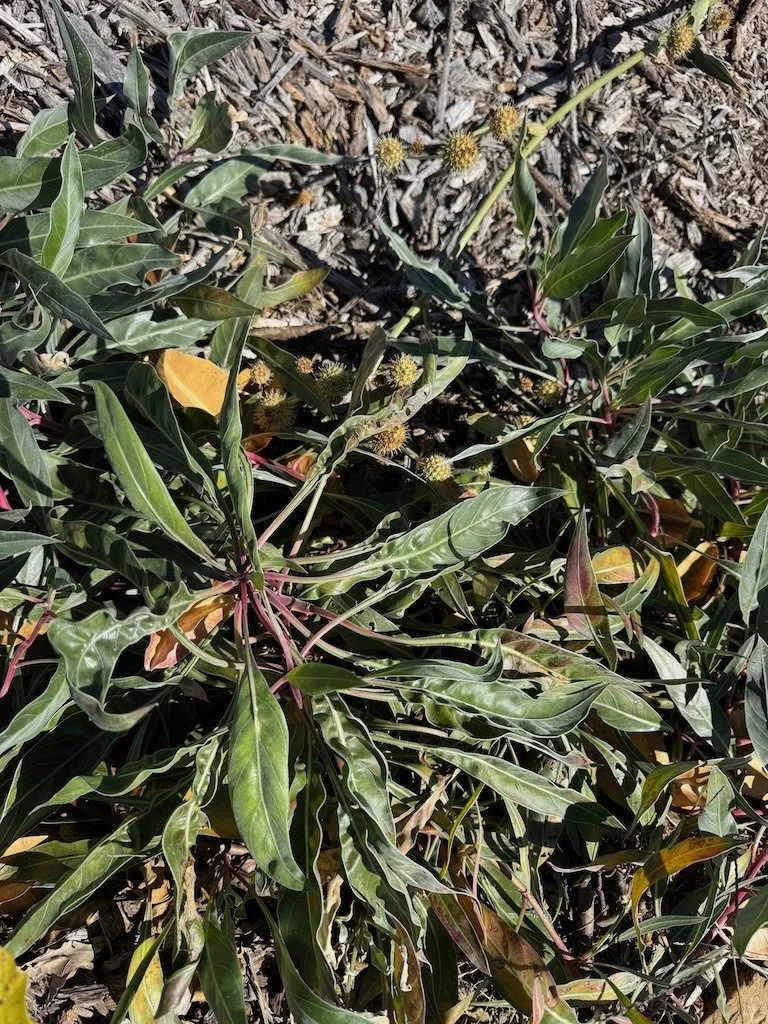
The forsythia was in the northwest corner of my backyard when we bought the house. It is non-native and does not do anything for my yard’s ecosystem – no pollinators visit its blooms; nothing eats its leaves. I have been trying to keep it controlled for the past few seasons, but it always seems to grow faster than I can prune it. I should have cut it and painted the stumps with poison last fall.

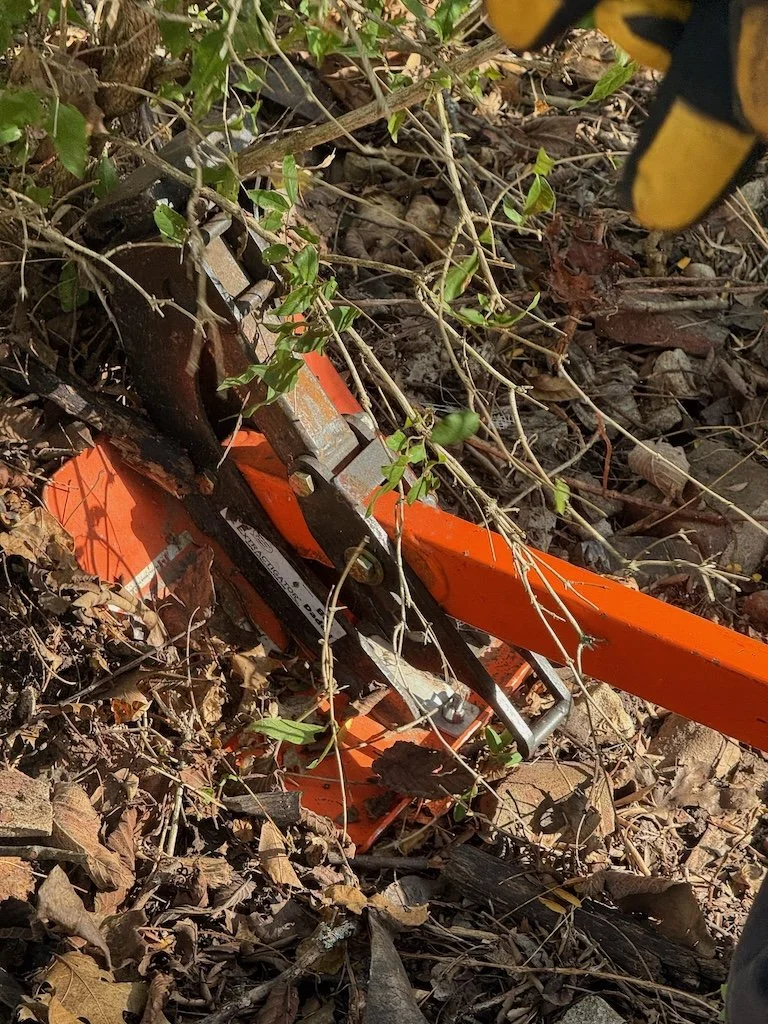
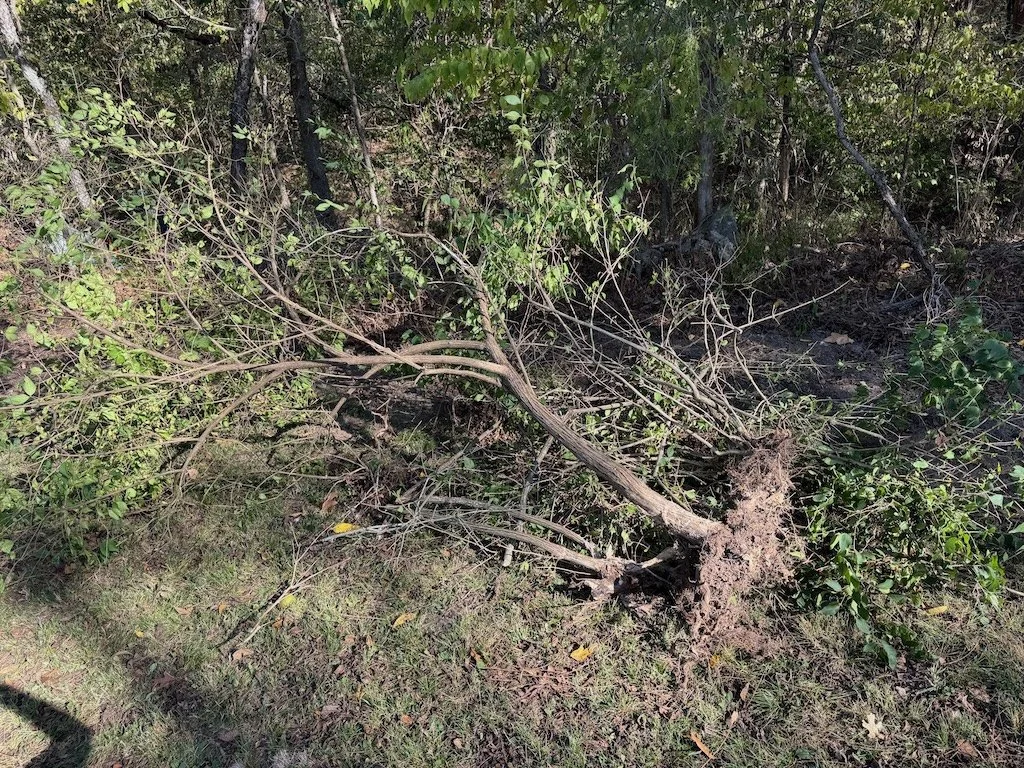
I did manage to cut it back more than ever before one morning last week and will go back to cut more soon. It was a lot of work, and I managed to clog my pruning chainsaw; that will take some effort to get it working again. I did most of work with my manual long handled pruners.  My gardening seat worked well….I slowly moved it around the plant cutting everything I could reach. My back only started hurting when I started carrying the trimmed branches up to the patio to dry (and then burn in a few weeks in the chiminea).

Last year I waited until after the plant had bloomed and it was a big mistake. This year there were a few flowers open….but I cut it all away from the plant! I am going to plant some native plant seeds in the soil left bare – it will be a bonus if any come up. I’ll keep cutting the forsythia back as severely as I can over this next season to give the other plants a chance to take over.

Blog for next day: Zentangle® – March 2026

31 Zentangle tiles selected for March.

I did not have as many tiles to choose the 31 from this month because I made very few tiles the week I was with my dad in the hospital. Still - I managed to do enough to stay relatively calm during the stressful time.

When I was scanning the tiles to use in this post, I discovered that some of the colors do not scan well and it got me thinking about how old my scanner is. It evidently came out in 2009 but I’m not sure when I bought it - it seems like I’ve had it for at least a decade. I probably won’t replace it until it fails totally.

The Zentangle® Method is an easy-to-learn, relaxing, and fun way to create beautiful images by drawing structured patterns. It was created by Rick Roberts and Maria Thomas. “Zentangle” is a registered trademark of Zentangle, Inc. Learn more at zentangle.com.

Ten Little Celebrations – March 2026

Some different types of celebrations in March…


Dad surviving a hospital admission. My sisters and I celebrated that my dad survived an awful hospital experience (bad reaction to drugs he received there, lack of attention to his response to medications and delaying administration of his regular medications). He is back in his memory care residence now and much happier. We have transitioned him to palliative care based on his experience.

Springfield Botanical Gardens. Many of the plants were still in winter form…but there were enough early spring flowers to celebrate the season.

Red-bellied woodpecker. We celebrated when one of the birds came to our feeders. It doesn’t happen often!

Big buds on the red buckeye. The buds on the red buckeye were an early celebration of spring. They were large and they were open with the leaves beginning to expand when there was a hard frost and the celebration turned to sorrow; I am monitoring the plant to see how it recovers.

Earthworm parade. I celebrated that it rained…and the earthworms made a parade across a sidewalk to find new homes.

George Washington Carver National Monument. My husband and I celebrated an early spring day with a day trip to the monument.

Garage door fix. The spring on my garage door opener broke and I was worried that I’d be parking in the driveway for a few days...but a company was able to make the repair the same day we called. I celebrated the quick response!

The Plastic Detox. I viewed the documentary available on Netflix…celebrated that there were indeed babies at the end!

Sunrises. I was in Texas for 5 days….and 4 of those days had wonderful sunrises. I celebrated with my dad in the hospital on 3 days and the last one I was in a hotel! Noticing the beauty at the beginning of the day always lifts my mood.

Baked chicken salad. Days are getting warmer and I find myself wanting salads more than I do in the wintertime. I celebrated combining veggies from the crisper…an apple…diced slices of lemon (including the skin) and green salsa --- with chicken baked in balsamic vinaigrette. Yummy!

Plastics Crisis – Events in April

There seems to be a lot of plastic related activities on my calendar for April.

Beyond Plastics Ozarks will have a table at the Earth Day Music Fest in Springfield later in the month…lots of prep and logistics to work through between now and the event. Info sheets are the easy items …we are developing things to draw people to the table (maybe a plastic trash monster…maybe a big BYOB (standing for “Bring Your Own Bag”!) and then handing out reusable bags collected from various places or maybe having a ‘craft’ making a reusable bag from an old t-shirt).

There will also be a day with Stream Teams United at the state capitol to learn more of the legislative process and perhaps meet our state Representatives/Senators. I’ve never done anything like this before so it will be a learning experience. There are several plastic related bills that have been proposed in this session.

In early May we have an after school program for K-5 students at a smaller town school district northeast of Springfield. The educator that works with the Show-me Less Plastic project is helping with it. It should be a fun day for us and the students.

There is still a big challenge of getting more people actively engaged. There seem to be many people interested but we are yet not connecting with people that want to go beyond individual action at this point.

Zooming – March 2026

We had some warm days….and then some cold days. At the end of the month, I am hoping that my red buckeye is not permanently damaged; its leaves were beginning to enlarge when a hard frost came. It was an interesting month for travel (to Texas and a day trip to the George Washington Carver National Monument…and the yard was beginning to show signs of spring (bulbs and the boxwood bloomed). I enjoyed all my forays outdoors.

Gleanings of the Week Ending March 28, 2026

The items below were ‘the cream’ of the articles and websites I found this past week. Click on the light green text to look at the article.

3/23/2026 Washington Post What an oncologist wants you to know about environmental cancer risks - Given what we know about how microplastics can cause damage in the body, the increase in early onset colorectal cancer in the U.S. and the similarities in timing between the increase in cancer rates and the rapid increase in microplastics in the environment, many experts suspect that microplastics are a risk.

3/14/2026 BBC The strange deep-sea creatures that eat whales - Whales usually die far out to sea, scattered along their often vast migration paths. t first, the carcass may float as the gases inside make it swell up like a balloon. Then the whale sinks – through the sunlight, twilight and midnight zones – eventually reaching the darkness of the abyss, its final resting place. In death, the whale gives life, becoming an immense island of food.

3/16/2026 MSN Couples with infertility 'detox' from plastic to get pregnant in new Netflix doc. Does it work? - A new Netflix documentary called "The Plastic Detox" is a sobering look at all the ways that plastic harms our bodies and the planet — especially our reproductive health. Shanna Swan, Ph.D., a professor at Mount Sinai in New York City, is one of the prominent figures sounding the alarm on the effects of environmental pollutants on fertility. For the documentary, she worked with five couples who'd been struggling to get pregnant for years without a medical explanation. The goal? To reduce their exposure to plastics to see if they could conceive. In the end of the documentary, it's revealed three of the couples had gotten pregnant, and one was expecting again. The results were also published in a study in the journal Toxins on March 16.
3/20/2026 Yale Environment 360 In Mexican Forests, Monarch Butterflies Halt Their Decline - For the past quarter century, the future of monarch butterflies has looked dire, with these iconic American insects flitting toward extinction. Now, however, there is at least a small reason for hope: New data from WWF Mexico, a large conservation group, offers further evidence that the decline of eastern monarchs — the world’s largest population — has stopped, even as the insects face worsening threats across their range.

3/16/2026 Our World in Data Why cheap waste management is key to stopping plastic pollution – I was disappointed in this article. They completely miss the issue of food packaged and heated in plastic. Yes – that plastic packaging does not get loose in the environment but the microplastics (and chemicals) that leach into food gets into our bodies. And the leachate coming off lined landfills in countries with good waste management systems includes microplastics that the sewage treatment plants don’t take out before the liquid is released back into streams….and that will continue to happen for many years to come. And what happens when the liners of the landfills begin to break down and the leachate goes more directly into the environment. The answer in probably not cheap waste management…we need to be look at less waste – particularly less plastic waste.

2/17/2026 NASA Winds Whip Up Fires and Dust on the Southern Plains – This satellite image is from mid-February but I noticed smoke in the air as I drove on I-44 east of Tulsa last weekend! I don’t know if it was wildfires or controlled burns…but I was glad I had a portable air purifier in my car!

3/21/2026 I’m Plastic Free 9 Essential Ways to Reduce Plastic Waste on Your 2026 Travels – I would add a reusable bowl/plate for hotel breakfasts (along with cutlery…I take stainless steel cutlery since I have an extra set…and simply clean then to reuse…I have a tin that keeps them together).

3/18/2026 Smithsonian Magazine Cannibalistic Blue Crabs Are Eating Their Younger Peers in Part of the Chesapeake Bay - Young blue crabs find refuge from many predators in the mid-salinity waters of some spots along the Chesapeake Bay. But there, they face another threat: Getting eaten by their older peers.

3/16/2026 National Parks Traveler What It Takes to Clean a Yellowstone Hot Spring - Cleaning hot springs is hard work! Some remediations, like the Grand Prismatic Overlook trail spring, require shovels, strainers, and grabber tools. The cleaning of Solitary Geyser, however, required a hook with a 16-foot extendable handle to remove large objects within the interior parts of the pool and hand rakes to collect the hundreds of wood splinters that had been thrown into the splash basins around the pool margin.

3/13/2026 Science Daily Microplastics may be quietly damaging your brain and fueling Alzheimer’s and Parkinson’s - Researchers identified five key biological pathways that may allow microplastics to harm the brain. These include activating immune cells, increasing oxidative stress, disrupting the blood-brain barrier, interfering with mitochondria, and damaging neurons. The review also describes how microplastics might contribute to specific neurodegenerative diseases. In Alzheimer's disease, they may promote the buildup of beta-amyloid and tau proteins. In Parkinson's disease, they could encourage aggregation of α-Synuclein and harm dopaminergic neurons. Additional studies are needed to confirm a direct causal link. Even so, the researchers recommend practical steps to reduce everyday exposure. We need to change our habits and use less plastic. Steer clear of plastic containers and plastic cutting boards, don't use the dryer, choose natural fibers instead of synthetic ones and eat less processed and packaged foods.

Edna Groff Deihl Kitties and Puppies

The eBooks for this week are by Edna Groff Deihl published in 1924 and available on Project Gutenberg. She wrote books for children in the early decades of the 20th Century. She evidently produced the books based on stories she told her children. There is a picture of her with her 4 children in 1916 when she spoke to the Story Telling Club in Harrisburg, Pennsylvania. Enjoy!

My Twin Kitties

Sustaining Elder Care – March 2026

My dad is going to be 95 this month. We had an adventure with him in the hospital before that could happen. The original problem that was causing abdominal pain resolved on its own within about 24 hours, but the ramification of the ancillary medications (primarily to reduce anxiety) had the effect of increasing his anxiety and keeping him awake and active until he was exhausted. An MRI was ordered after the first anti-anxiety dose, but he could not tolerate the machine for enough time to complete it. The drug reaction prolonged his stay in the hospital, and we are/were amazed that the doctors wanted to continue to dose him; my sisters and I had to insist that they stop giving him the drug and allow him to return to his normal.

I drove down on his first day in the hospital and spent 4 nights with him. My other three sisters coordinated to stay with him during the day. The window in his hospital room faced the east so I had a good view of the sunrise; there was only one cloudy morning…otherwise the sunrises were gorgeous even with the blinds in the way! They did not make up for the collective angst that my sisters and I experienced at the hospital.

My dad received some PT later his stay to regain some mobility he had lost the first days of his hospitalization. We realized by the third day that, for him, going to the hospital was never going to be a net positive and we started the process to transition him to hospice care. It was a decision that my sisters and I all agreed on immediately. He was released from the hospital after being there for 5 days/nights. It didn’t take long after we got to his apartment his memory care facility for him to realize that he was home…and smile.

The transition to hospice started out well with a new bed and wheelchair delivered to his apartment before he returned. We are still tweaking the arrangement – adjusting what the memory care and hospice staff will do to support my dad’s situation. It seems to be going relatively well although we are all still in ‘transition’ and seeking to understand what his needs are. There have been several instances where he seems to be making little jokes and looking mischievous as a kid; it helps that he seems happy with what has happened even though he likely doesn’t understand it all.

Bluebonnets

The bluebonnets were blooming when I was in Texas last week. I stopped in the Texas Welcome Center on US 75 to see them. They are not at their peak bloom…but enough are blooming to be noticeable.

As I left the welcome center headed south, I saw more along the sides of the highway, but construction (current and recent) had taken out a lot of the areas where bluebonnets and other wildflowers bloomed in previous years. The wind was fierce and it often sounded like sand was hitting my car; I turned my attention from noticing the flowers to keeping my car firmly in the lane!

Later in the day, I noticed that the city of Flower Mound has bluebonnets along some of their major streets. My sister told me that there used to be more before construction projects, but there are more every year since the projects have completed. Once bluebonnets are established, they do very well – natives thriving where they have been forever.

George Washington Carver National Monument

Last week my husband and I made our first visit to George Washington Carver National Monument. It is south of Carthage, MO and a bit over an hour from our house near Springfield….a good choice for a day trip.

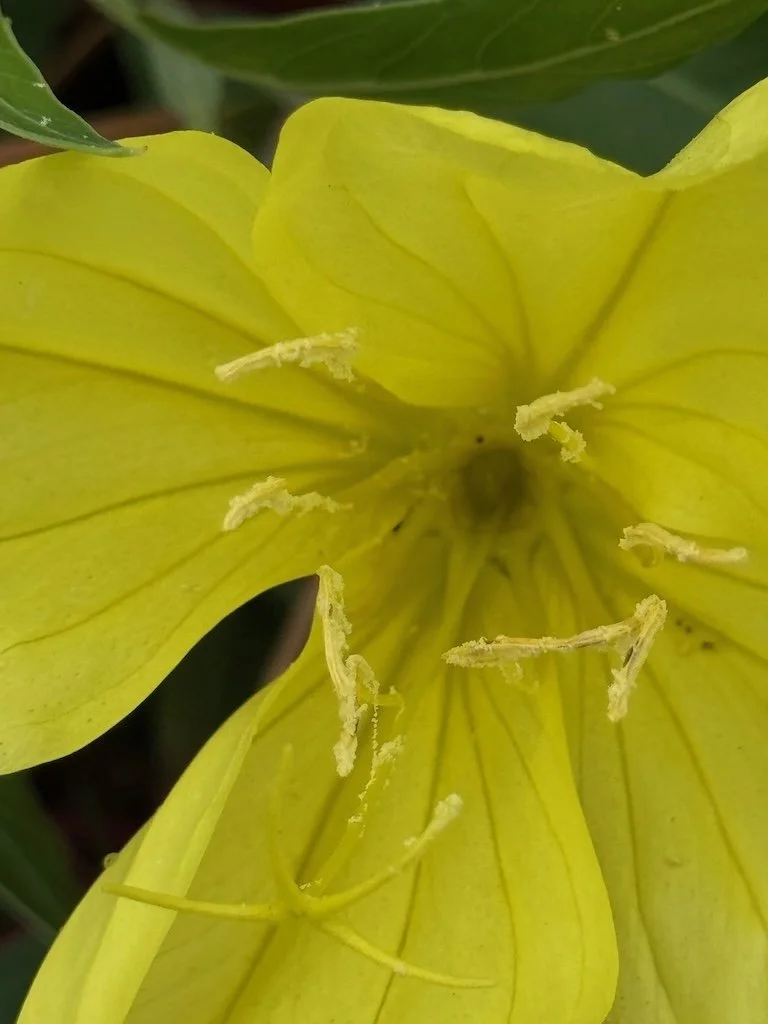
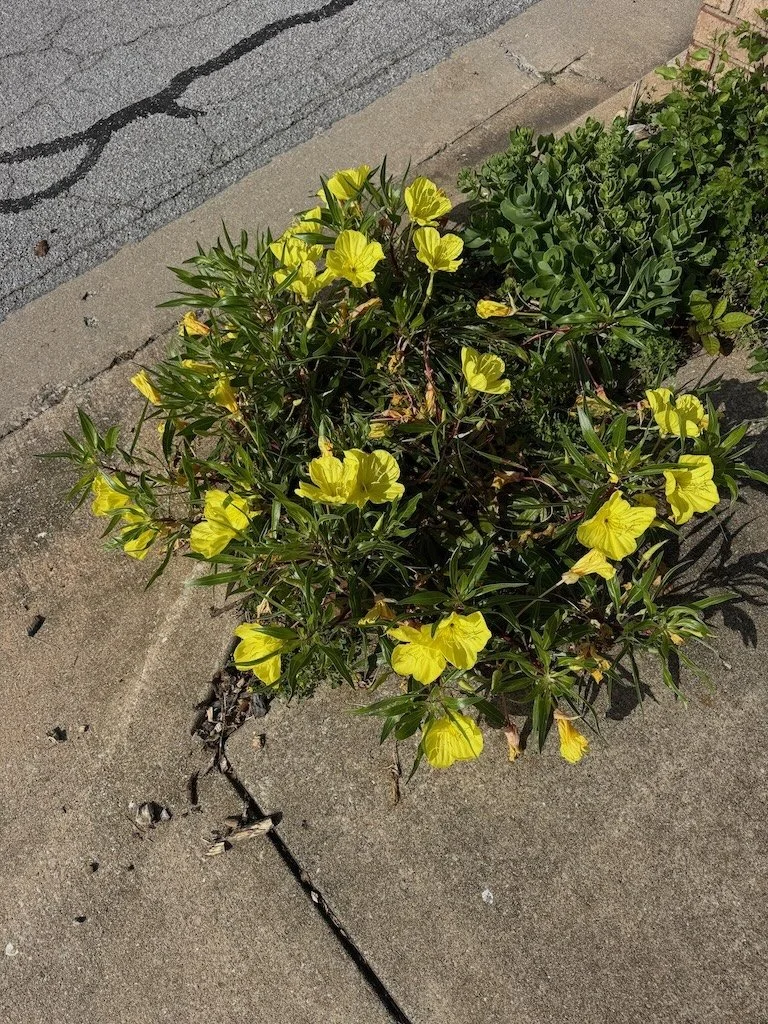
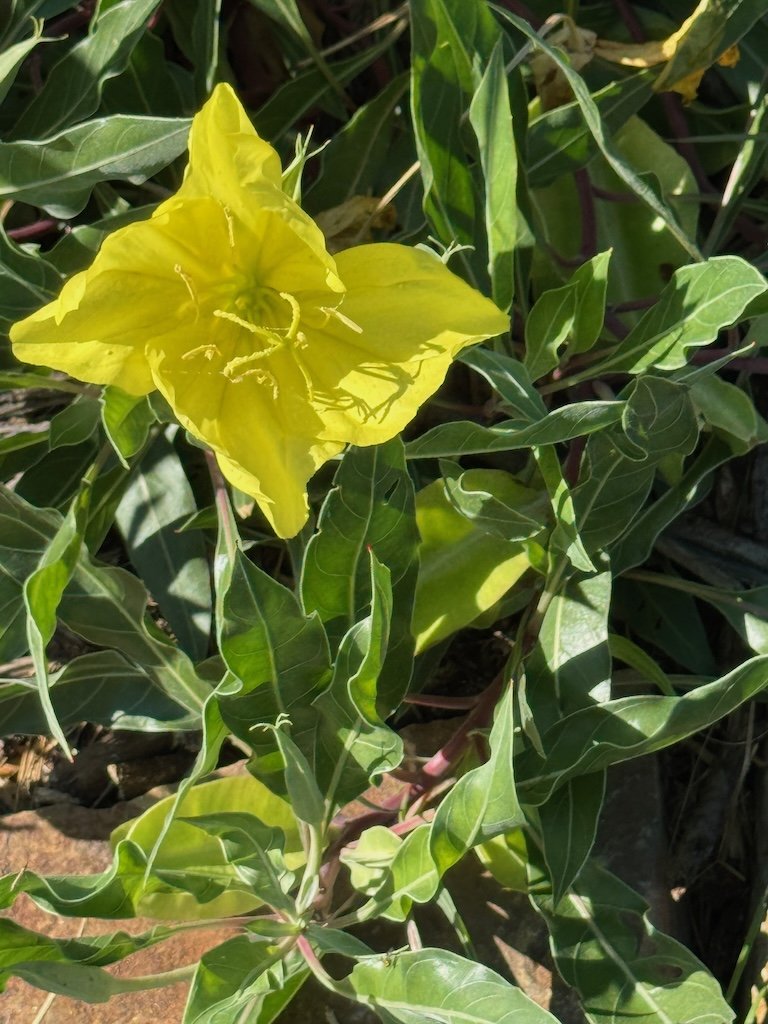
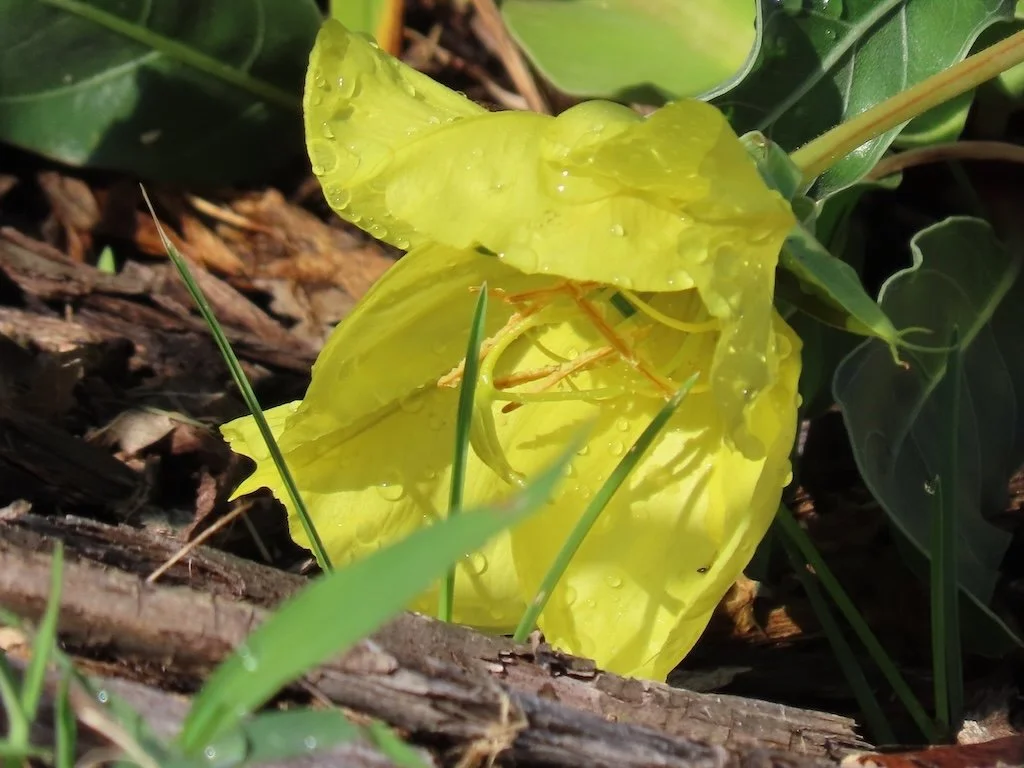
It was a sunny and cool spring day. I took a few pictures of plants in my yard while I was waiting for my husband to be ready to go. The dandelions are blooming and there was one seed puff already! My Missouri Evening Primrose is coming up from last year’s roots and the maple is already forming seeds.

On the way, I noticed that the redbuds along I-44 were beginning to bloom. The flowers were probably not fully open, but there was enough color to identify the trees as we drove. The redbuds at our house were not quite so far along.

I enjoyed the walk through the woods at the monument. There were some wildflowers – and clumps of daffodils (not wild, obviously) in the woods.  A few insects were out as well so the flowers will be pollinated!

There is a statue of a young George Carver in an area of stream/forest. He was born to a slave family on the farm…almost died when he was young (illness and kidnapping)…managed to survive and was able to become educated…he became head of the Tuskegee Agriculture Department in 1896; he taught there until his death in 1943. He is buried at Tuskegee University.
The woods were greening with the wildflowers, but the trees were mostly dormant. Some of them were probably ashes and would not be leafing out again. It is a common occurrence in Missouri right now; the emerald ash borer that killed the ashes in Maryland before we moved to Missouri is now killing the ash trees in Missouri. There is water in many places along the Carver Trail (loop) – Williams Pond/Branch and Carver Branch.

There were lots of birds, but I only managed to photograph a Dark-eyed Junco. We heard several woodpeckers.

We were at the monument on a Saturday, and I was pleased that there were other people that were there – many with children. The place is closer to Joplin so I assume the ‘regulars’ are mostly from Carthage or Joplin. It is a good place to visit in the spring….and maybe even better in the fall. In the summer, it would be very humid.

We opted to drive to Carthage for lunch at Iggy’s Diner. I am trying to find places other than fast food that my husband likes…and the diner seemed to be a hit with him. The quality of food is better than a fast food chain!

Plastic Crisis – The Plastic Detox

The Plastic Detox (trailer) is a documentary that was released by Netflix on March 16th. This documentary follows the research of Dr. Swan and other experts in the field, covering the impact on human development and showing how we can take matters into our own hands. It’s so easy for the microplastics conversation to be doom and gloom ---- this movie hints at a path forward…a hopeful component even while we acknowledge that there is a lot that needs to be done.

As a Missouri Master Naturalist, I am concerned of the degradation of the environment for wildlife (plants and animals) by plastics. The documentation of plastic impact on human health has a huge audience…and I am hopeful that some of the actions we take to detox for ourselves helps the larger environment as well.

The movie is well-timed for the outreach work the Beyond Plastics Ozarks (the local group of Beyond Plastics that I am part of) will be doing in the next few months! Many people will watch it on their own…and we might plan showing/discussion group sessions several times this year.

Yard Work – March 2023

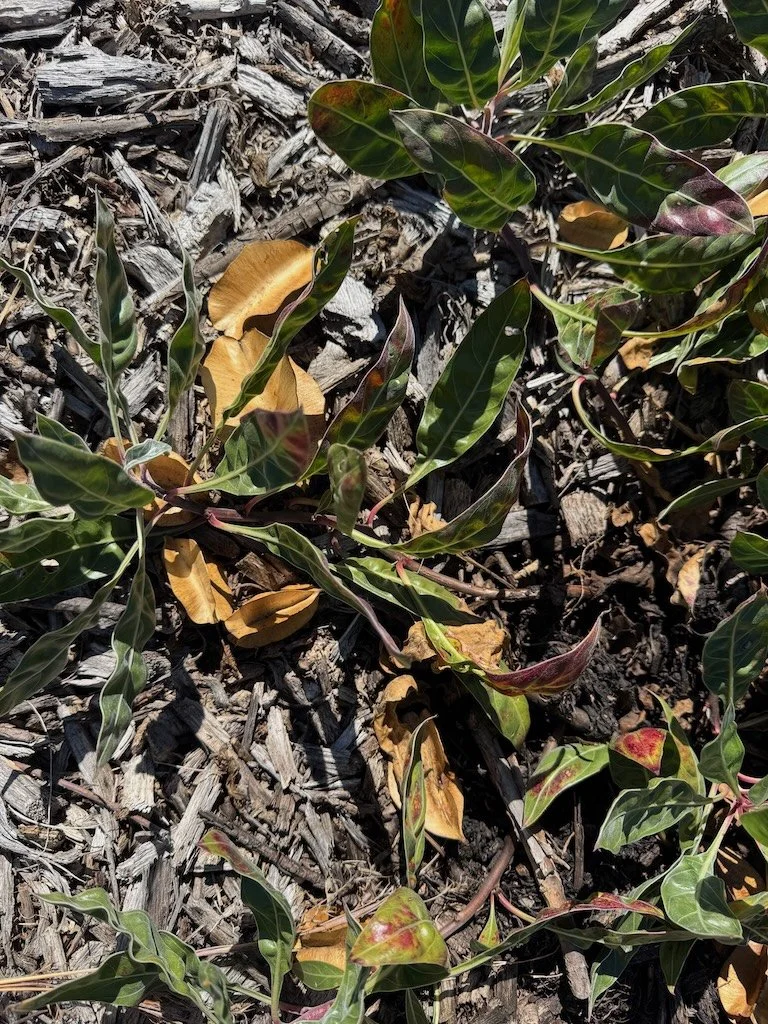
So much to do before it’s warm enough to plant into the new native plant garden in my front yard – that’s the April project. Now I am working on existing plantings. The Missouri evening primrose has come up in the small bed near the mailbox. There is a stone crop there too. I trimmed off the seed heads from last season so that the green at the base will show sooner. I try to leave the small twigs and leaves in the bed…reducing any bare  soil that might wash away during the spring rains.

I need to trim the boxwood, but I’ll wait a bit on that. The electric hedge trimmer will make fast work of that job. I got a little sidetracked while I was looking at it when I realized it was blooming…and had a lot of new leaves; it was a good opportunity for some macro photography.

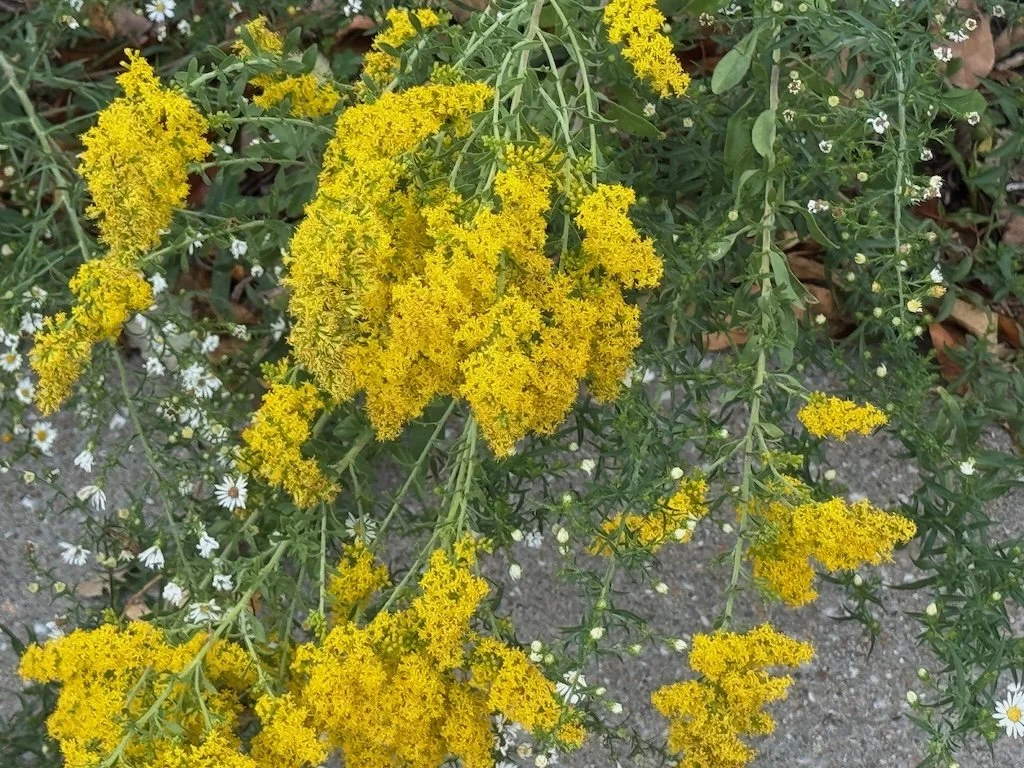
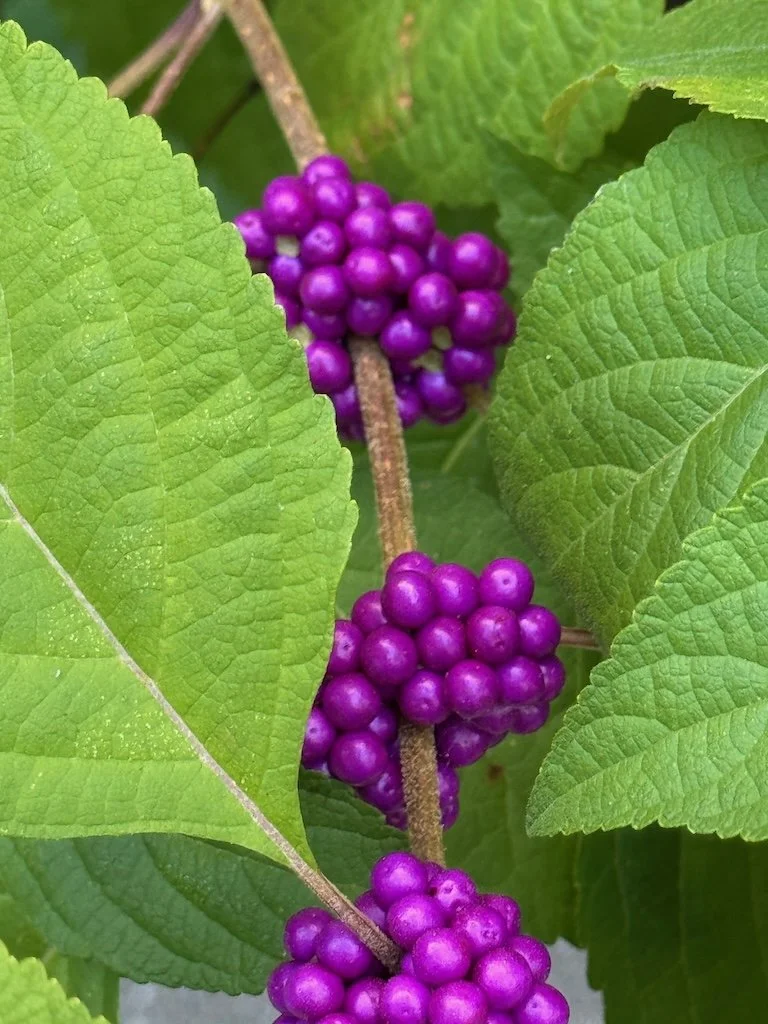
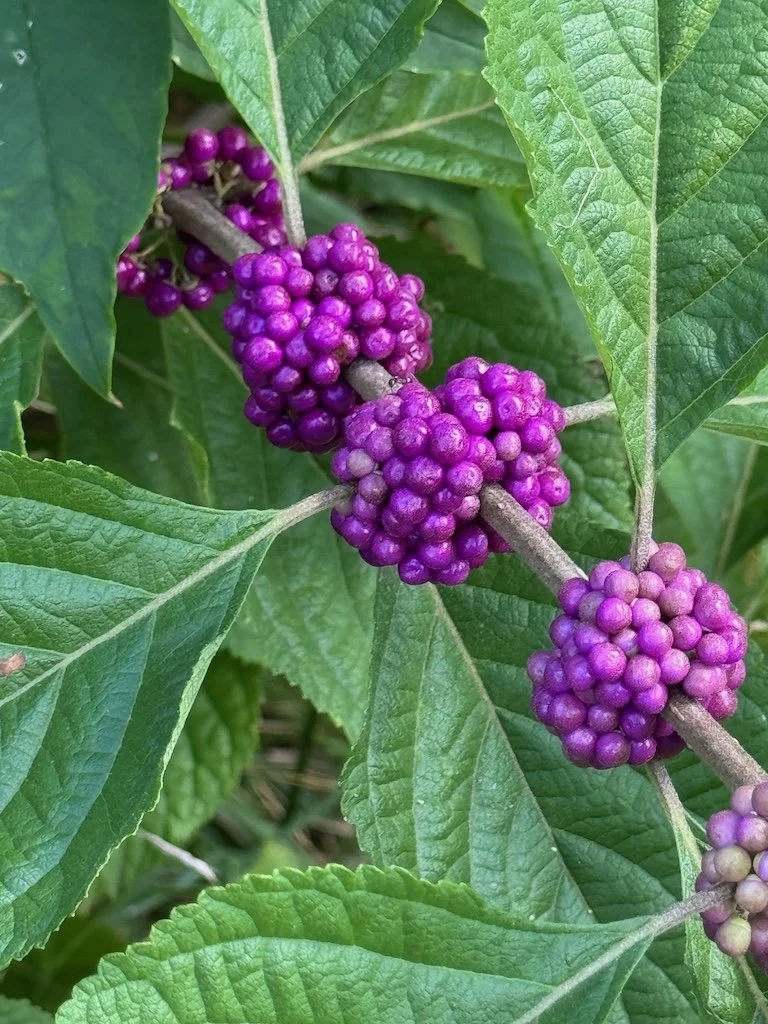
In the back yard – the iris bed where we cut down a pine several years ago was full of stalks from goldenrods. I cleared them away and realized that some of the leaves are rounded instead of pointy like the irises; those are naked lady lilies and there are more of them than last year. The bed is not formal, and I am letting it develop with the idea that the America beautyberry will eventually be the tall plant.
The fragrant sumac that I planted the first fall that we owned the house is blooming! I noticed that there is Japanese honeysuckle (an invasive) in the bed. I have spent several mornings working on it and am at the stage of digging out some of the hubs of the vines. I’ll work to keep the plant in check (or eliminated) this summer.

In the area where the small red buckeye is unfolding its leaves, the debris from last season’s violets and leaves provides good mulch that does not overwhelm the small plant. As it gets larger, I’ll decide if I’ll just leave it with that groundcover or put wood chips around it. There will never be a lawn mower near it….but no bare soil either! way you tell your story online can make all the difference.

Gleanings of the Week Ending March 21, 2026

The items below were ‘the cream’ of the articles and websites I found this past week. Click on the light green text to look at the article.

3/8/2026 Our World in Data What are the world’s deadliest animals, and can we protect ourselves against them? – Mosquitoes and snakes top the list! In many regions, deaths from mosquitoes have decreased dramatically. Malaria was once prevalent in countries that are now free of it. If we could achieve this in all parts of the world, the number of deaths caused by other animals would be almost six times smaller. If we were to also eliminate deaths from snakes with antivenoms and better diagnostics, the death toll would be again reduced by almost two-thirds.

3/8/2026 Science Daily Scientists stunned to find signs of ancient life in a place no one expected - Chemosynthetic microbes—organisms powered by chemical reactions—creating the mats in the dark depths of an ancient ocean.

2/24/2026 BBC 'It seemed to defy the laws of physics': The everlasting 'memory crystals' that could slash data center emissions -Silica and DNA are "very attractive from a sustainability perspective", acknowledges Tania Malik, assistant professor at the School of Informatics and Cybersecurity at Technological University Dublin in Ireland. "However, these technologies are unlikely to replace conventional storage for everyday computing or AI workloads anytime soon."

2/11/2026 The Scientist Oak Trees’ Drought Resilience is Rooted in Microbes - Oak trees maintained relatively stable microbial communities with subtle shifts in response to drought stress. They observed an increased abundance of Actinobacteriota, which are linked to drought tolerance, and other bacterial and fungal genera, suggesting that the oak trees can recruit beneficial organisms under stressful conditions. These changes could help researchers identify additional bacterial biomarkers as trees adapt to climate change.

3/9/2026 Compound Interest International Women’s Day: Twelve women from chemistry history – 12 women chemists from around the world.

3/8/2026 National Parks Traveler North Kaibab Trail at Grand Canyon National Park Seriously Damaged by Debris Flows - Debris flows in the wake of the Dragon Bravo fire at Grand Canyon National Park last year heavily damaged sections of the North Kaibab Trail, which will require some significant rebuilding in places this spring.

3/6/2026 Clean Technica It’s Time for an Authentic Golden Age of Agriculture - Contemporary industrial agriculture is less about producing food and more about generating animal feed, biofuels, and industrial ingredients for processed food products. Frank Carini of ecoRINews argues that producing more local food requires a series of changes. He offers a series of steps:

  • Stop taking farmland out of production;

  • Provide better financial support to local and regional farmers;

  • Increase funding for federal extension services;

  • Approve more bond money for farmland protection;

  • Attract young farmers to the profession;

  • Make farmland affordable; and,

  • Use the land we do have with our future in mind.

3/6/2026 Planetizen Hundreds of Vacant NYC Public Housing Units ‘Taken Over’ by Squatters –Vacancies often result from the need to make extensive renovations before units can be leased out when a prior tenant leaves. That frequently includes costly lead paint and asbestos abatement—required by local law and under NYCHA’s federal monitorship—work which takes an average of four to six months to complete, officials have said. In general, it takes the housing authority an average of 326 days to “turnaround” a vacant apartment for new occupancy, according to the most recent public data.

3/5/2026 Smithsonian Magazine See the New U.S. Postage Stamp Honoring the Bison, America’s National Mammal – A stamp within a stamp design.

3/4/2026 The Conversation Pollution, noise and climate stress all pose a serious threat to heart health - In an unprecedented collaboration, the European Society of Cardiology, the American College of Cardiology, the American Heart Association and the World Heart Federation have issued a joint statement calling for immediate action against environmental stressors – pollution, noise, climate stress – to reduce cardiovascular mortality. The question is no longer whether pollution causes cardiovascular disease, but how much additional harm we are willing to accept knowing that it is, to a large extent, preventable.

Album of flowers and birds

My ‘book of the week’ selection is a manuscript of 50 tempera, water- and bodycolor drawings. The original is held by the Oak Spring Garden Foundation, Upperville, Virginia and is available online at Internet Archive; the foundation is evidently working to digitize the collection accumulated by Rachel (“Bunny”) Lambert Mellon in the Oak Spring Garden Library.  This manuscript is not dated and the authors are unknown but it has Chinese circular red stamps on the first drawing and the back endpaper so is attributed generically to ‘Chinese School.’

 Images of plants and wildlife (insects, birds) always appeals to me. I like the artistic techniques of the collection as well. Enjoy browsing the book online!

 Album of flowers and birds

Ozark Spring in 1948

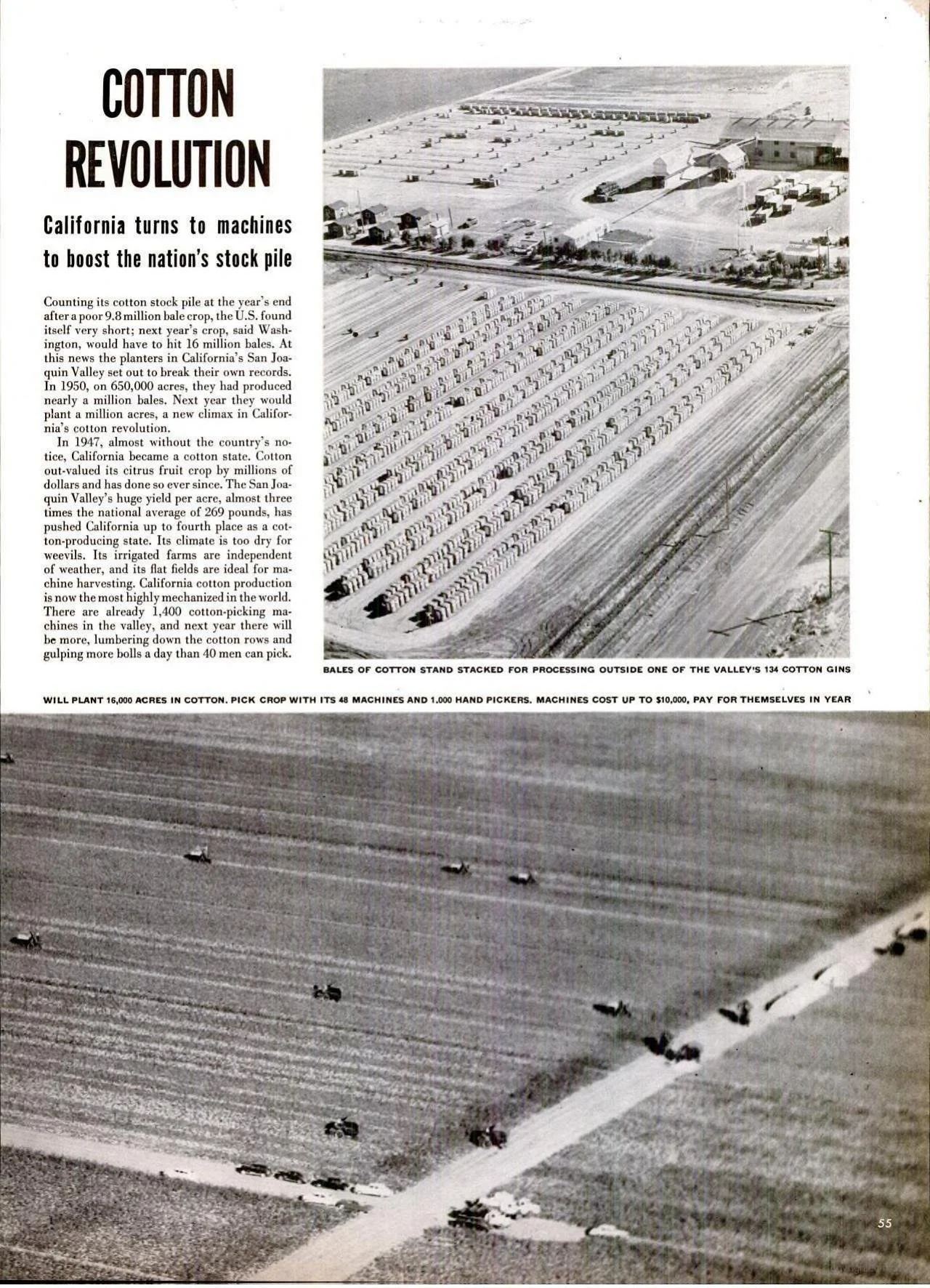
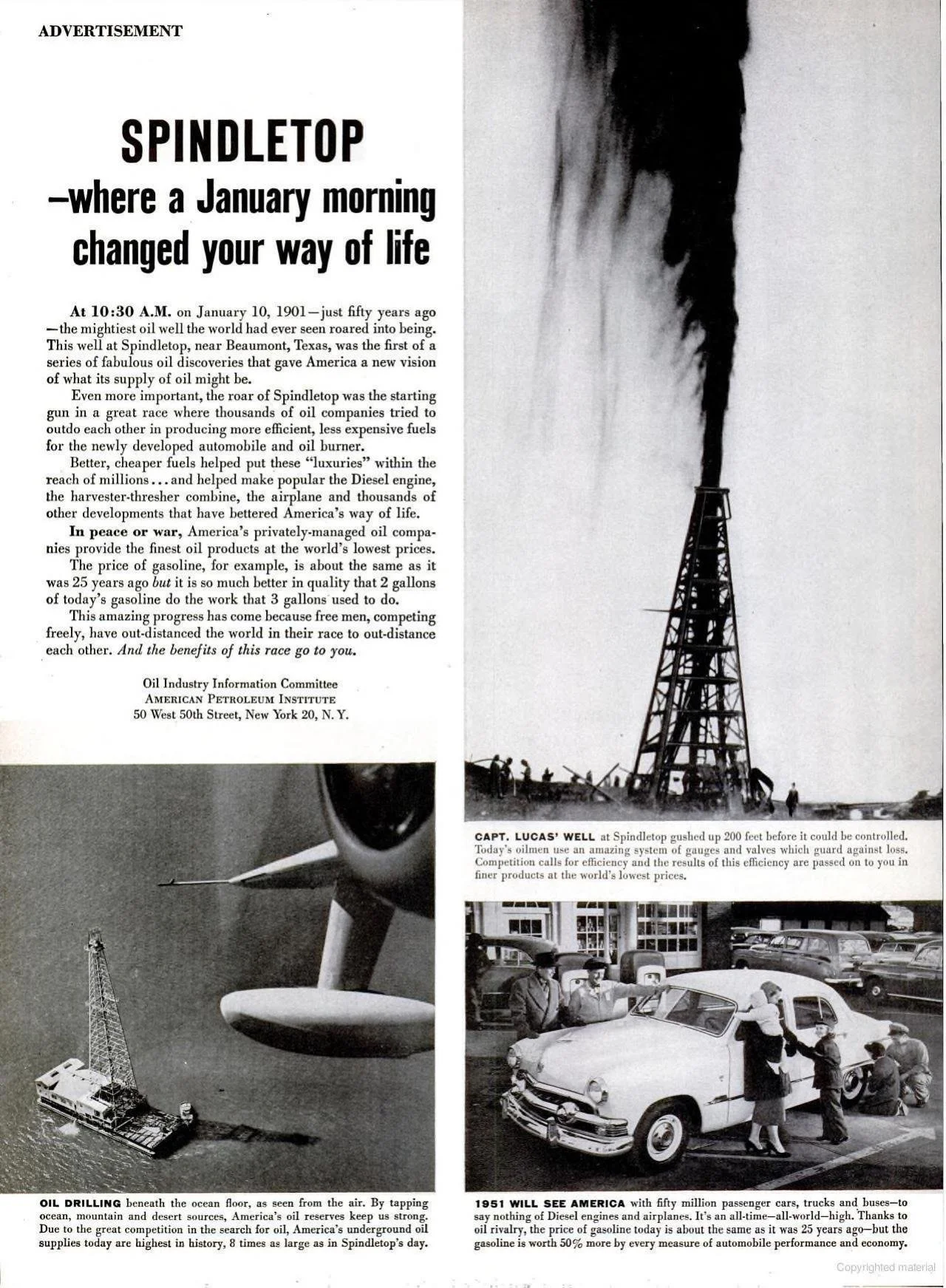
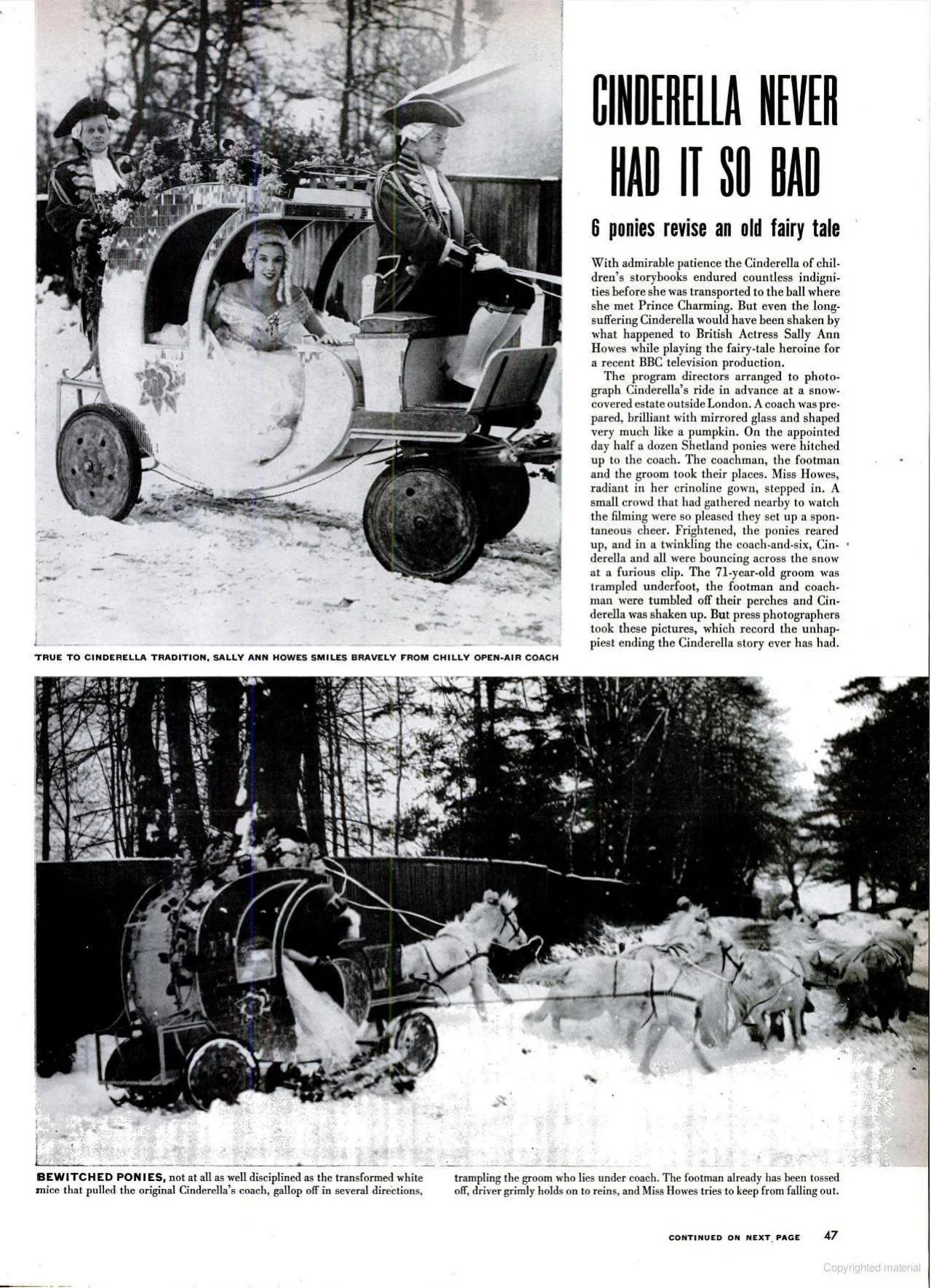
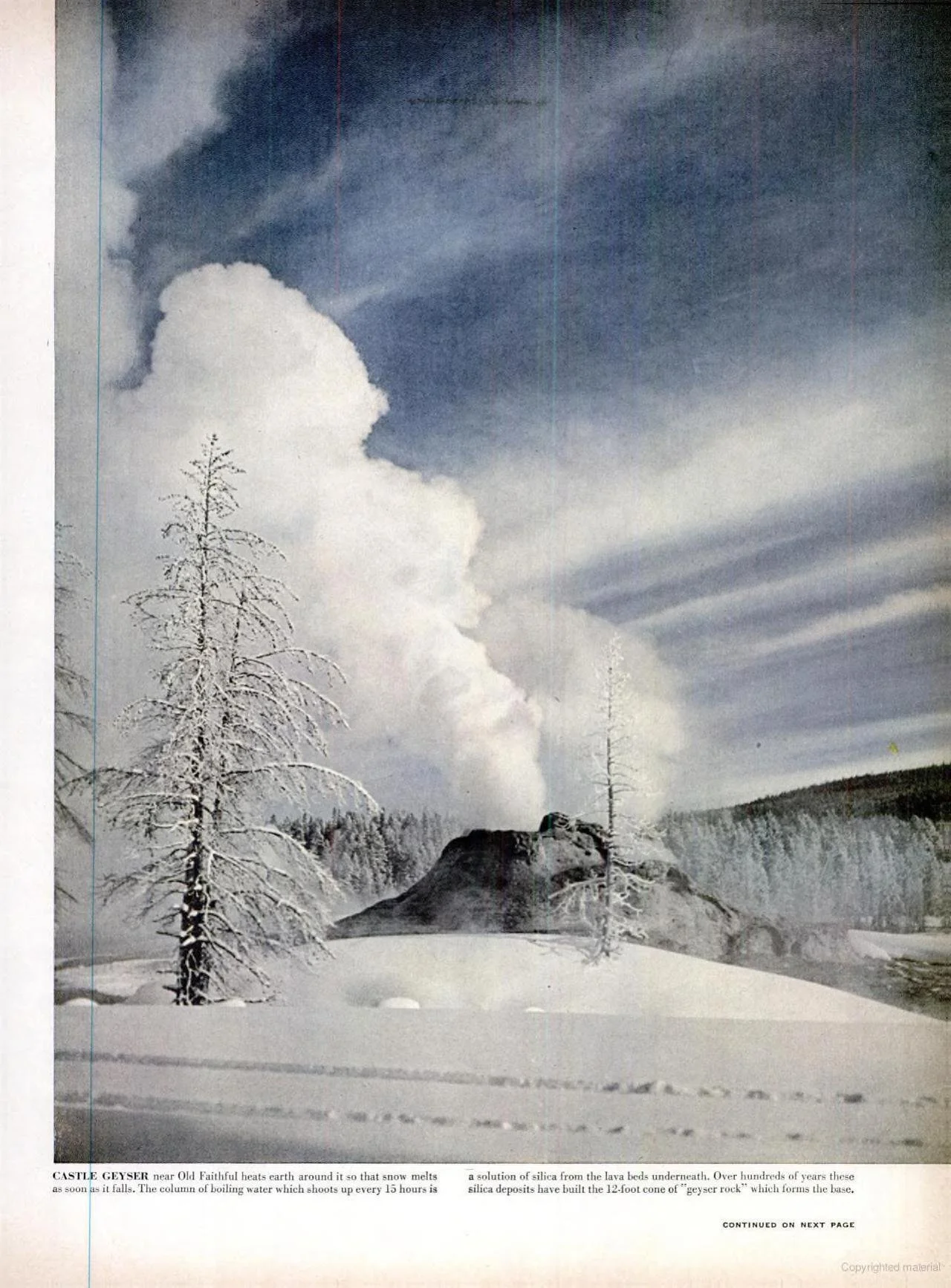
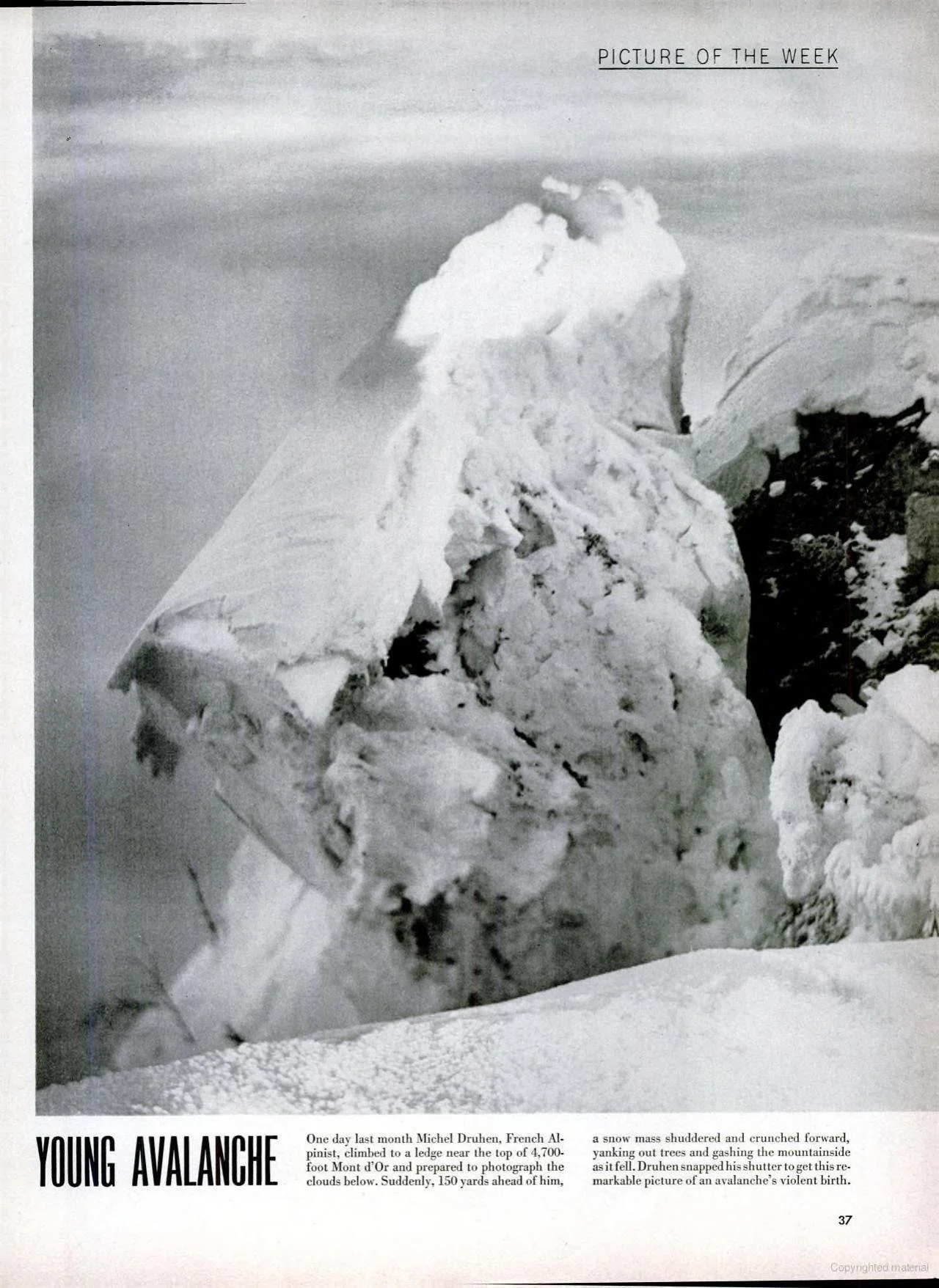
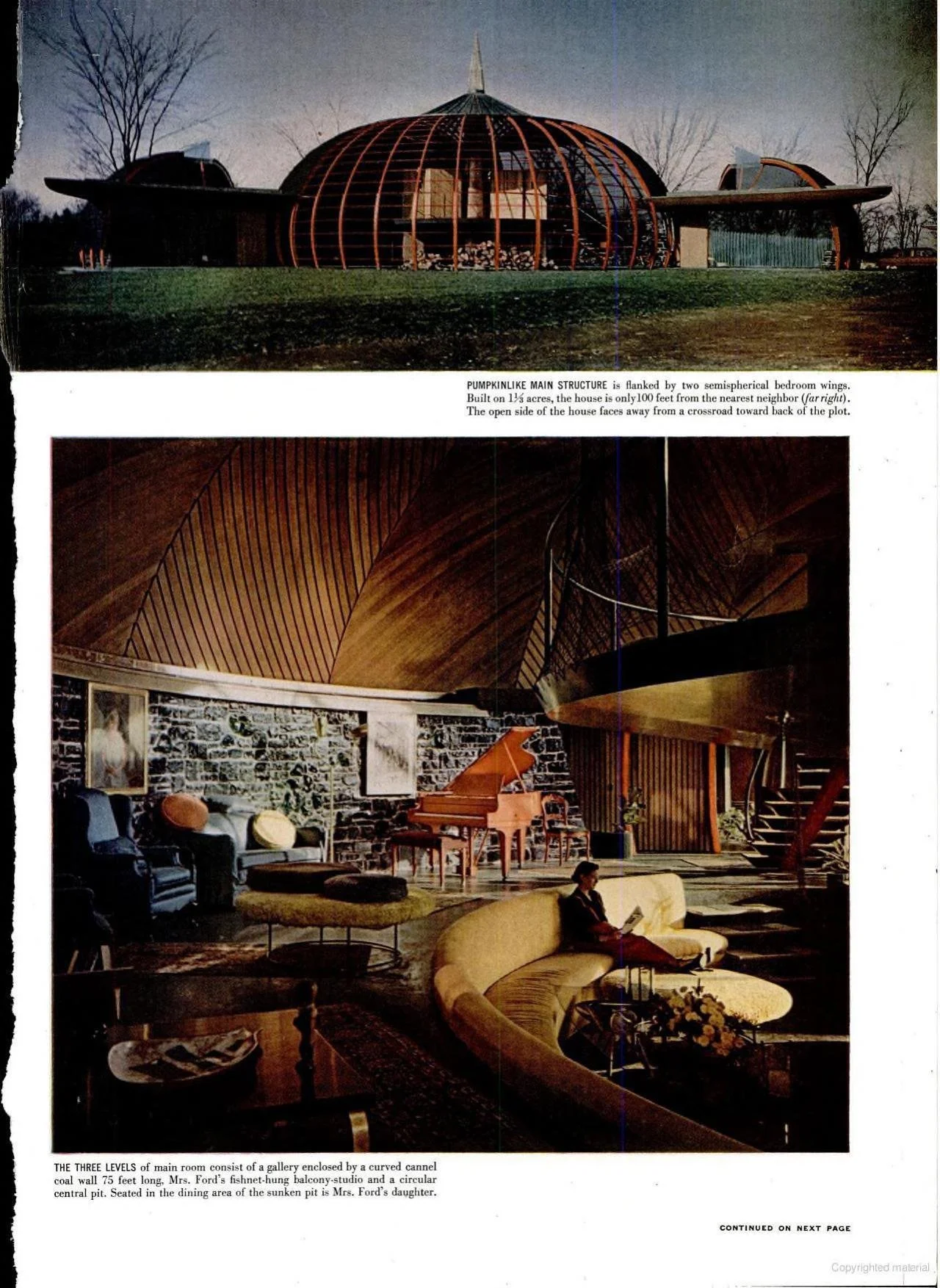
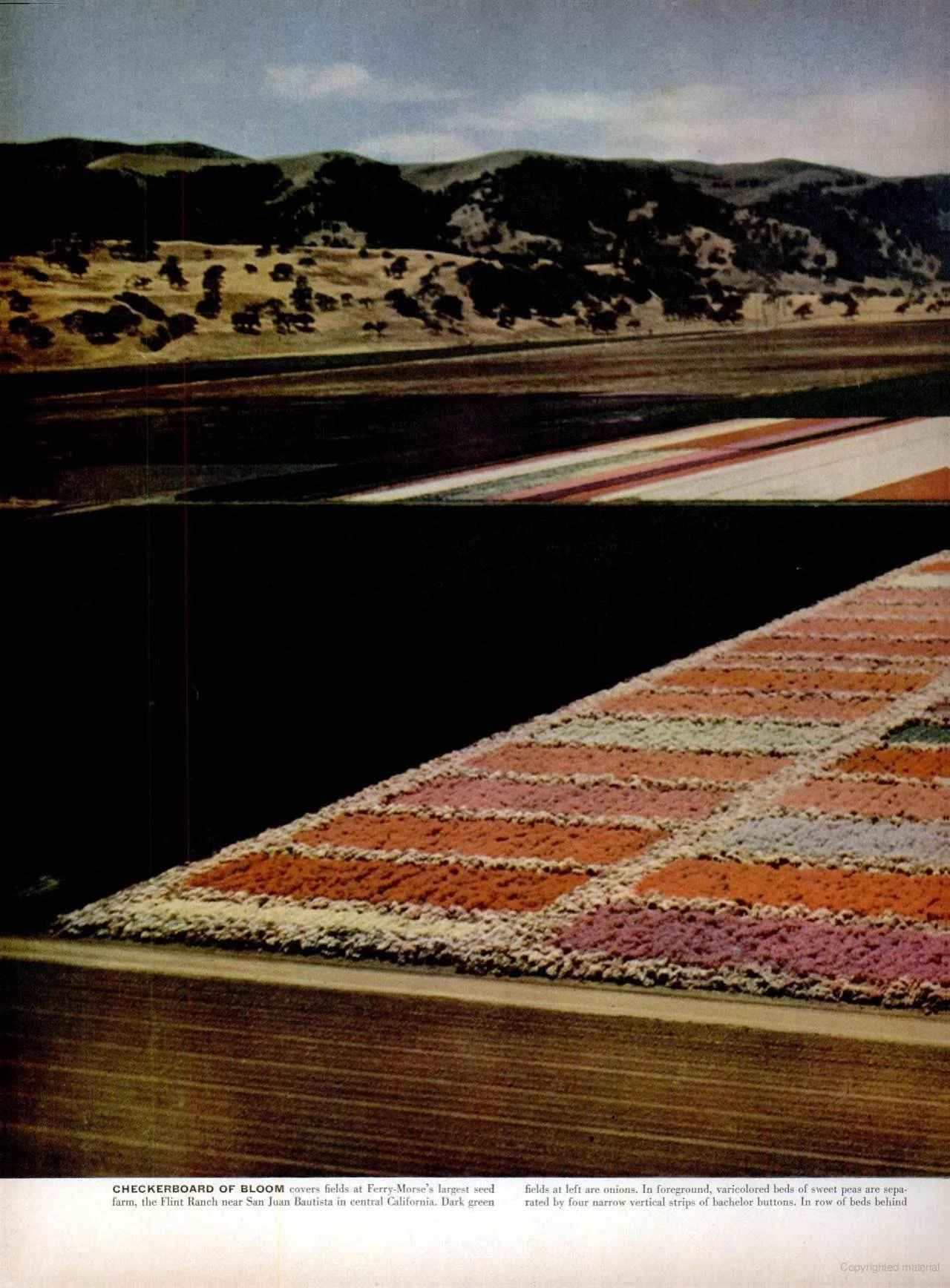
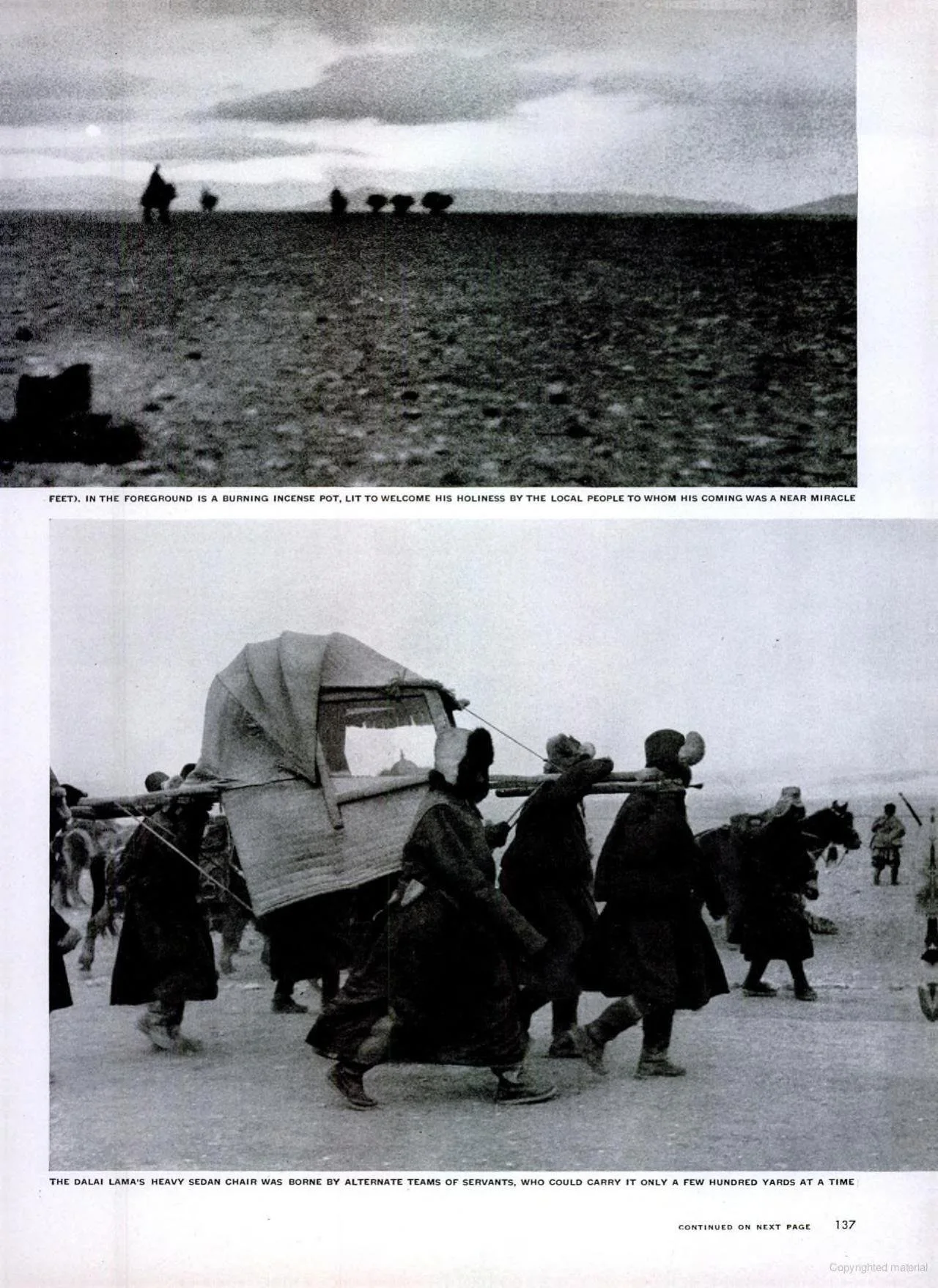
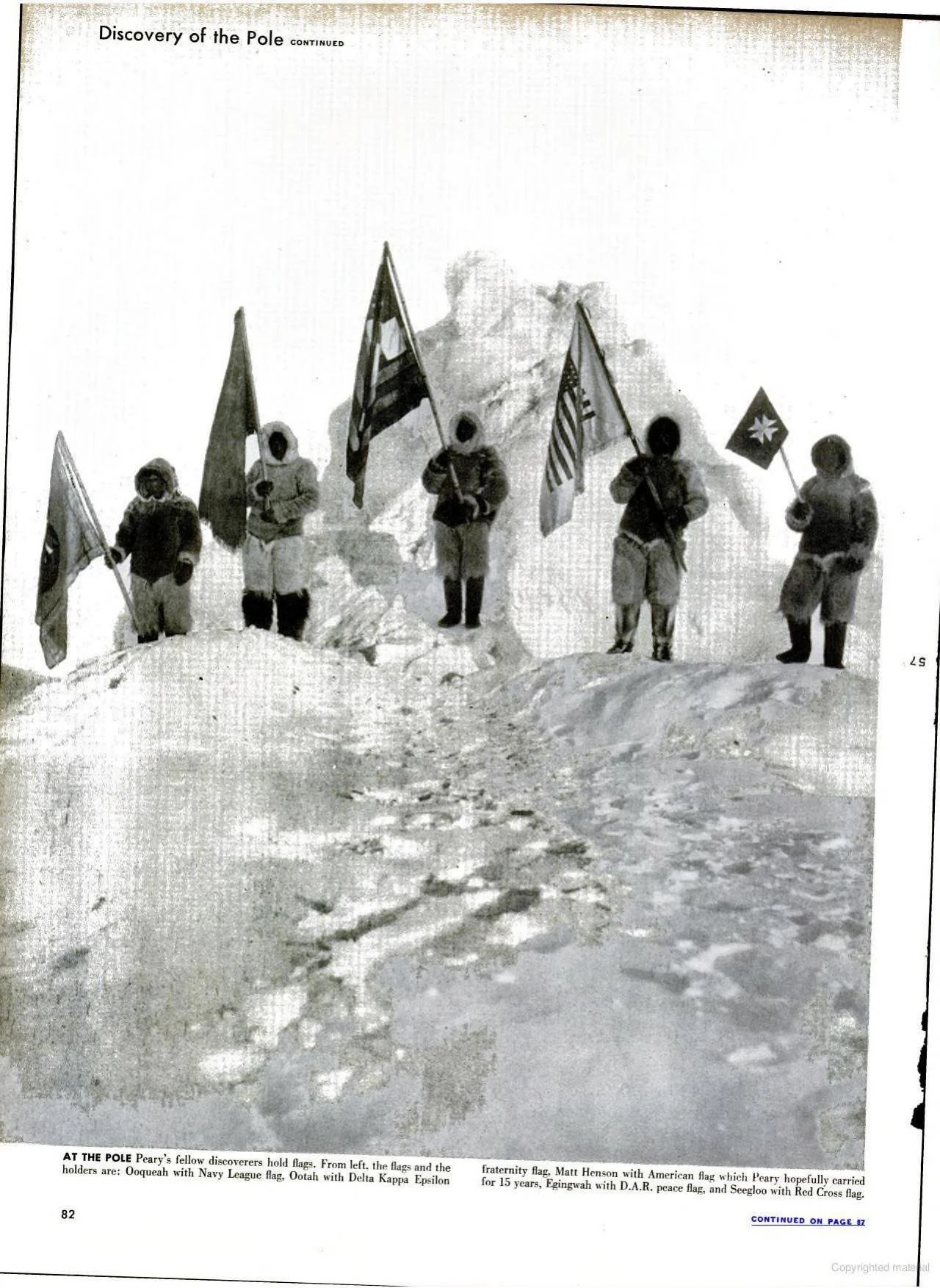
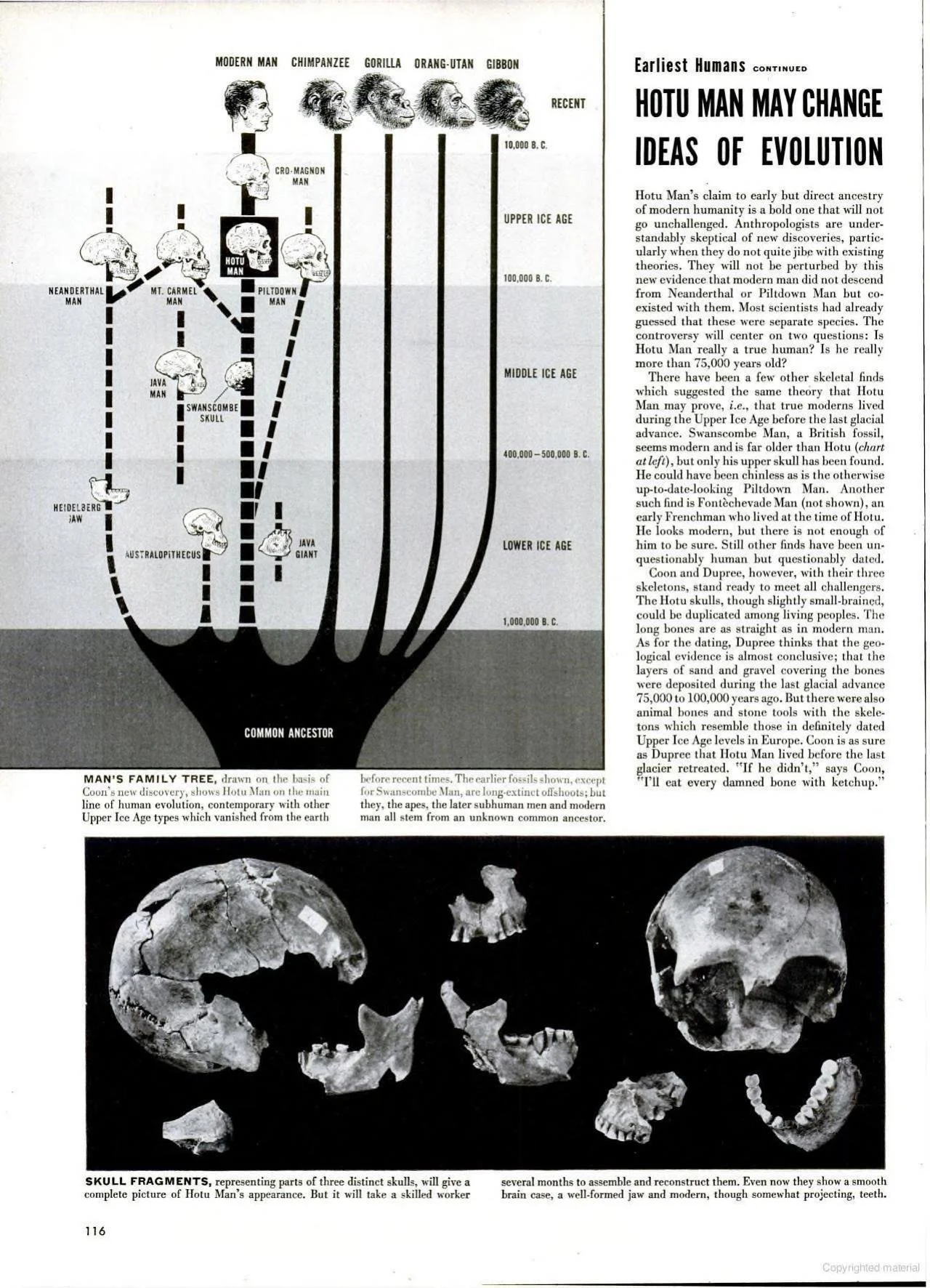
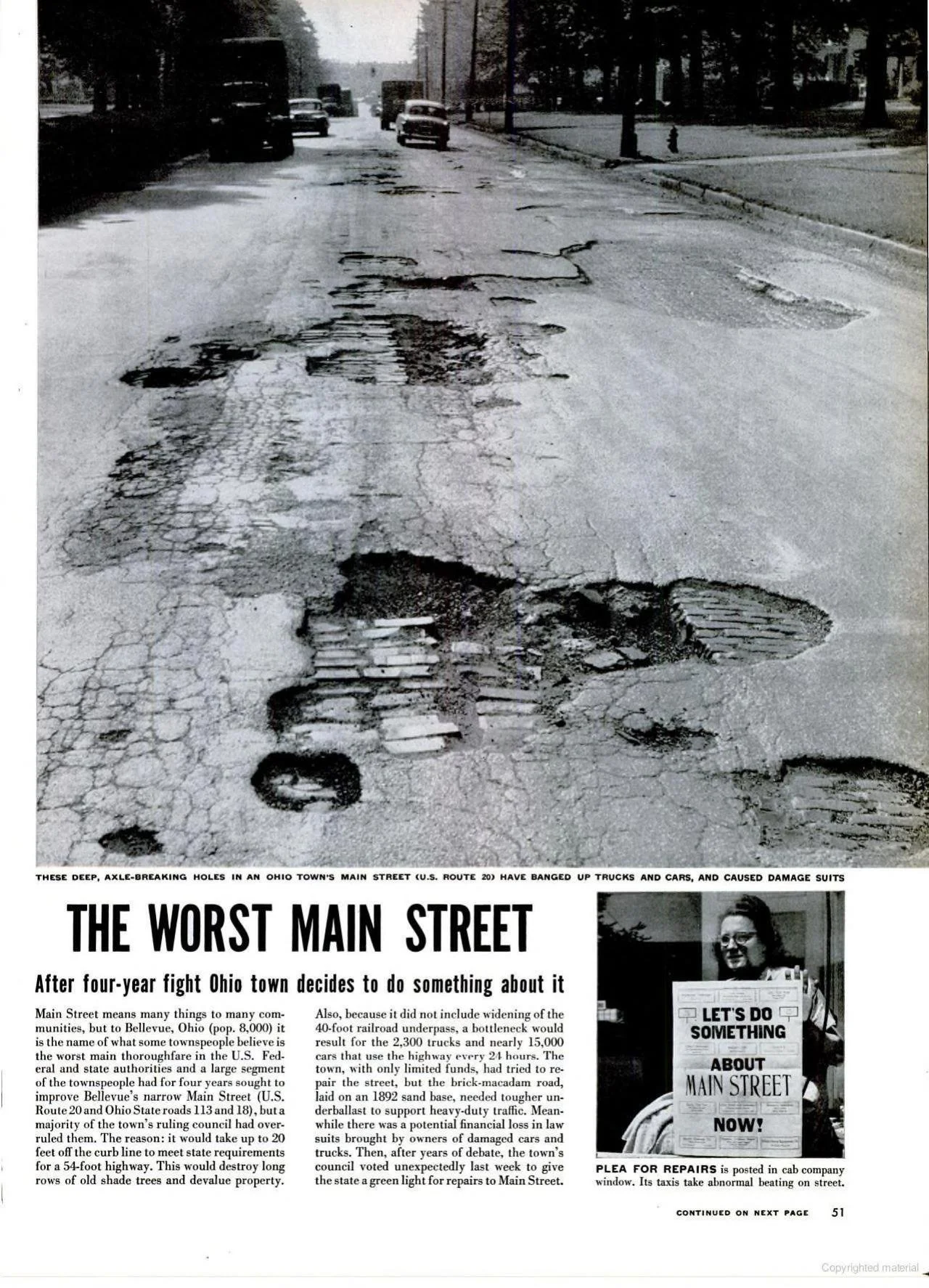
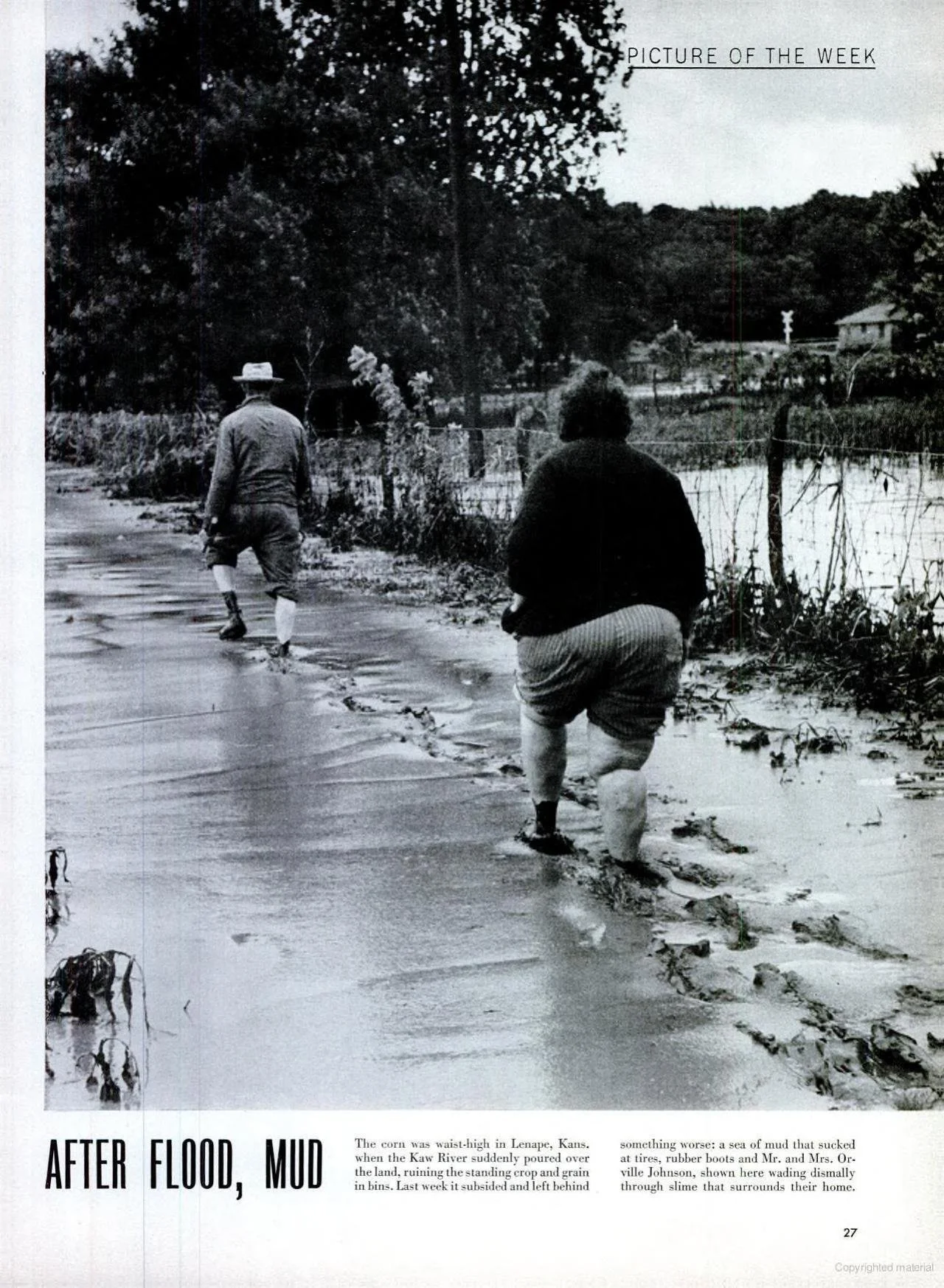
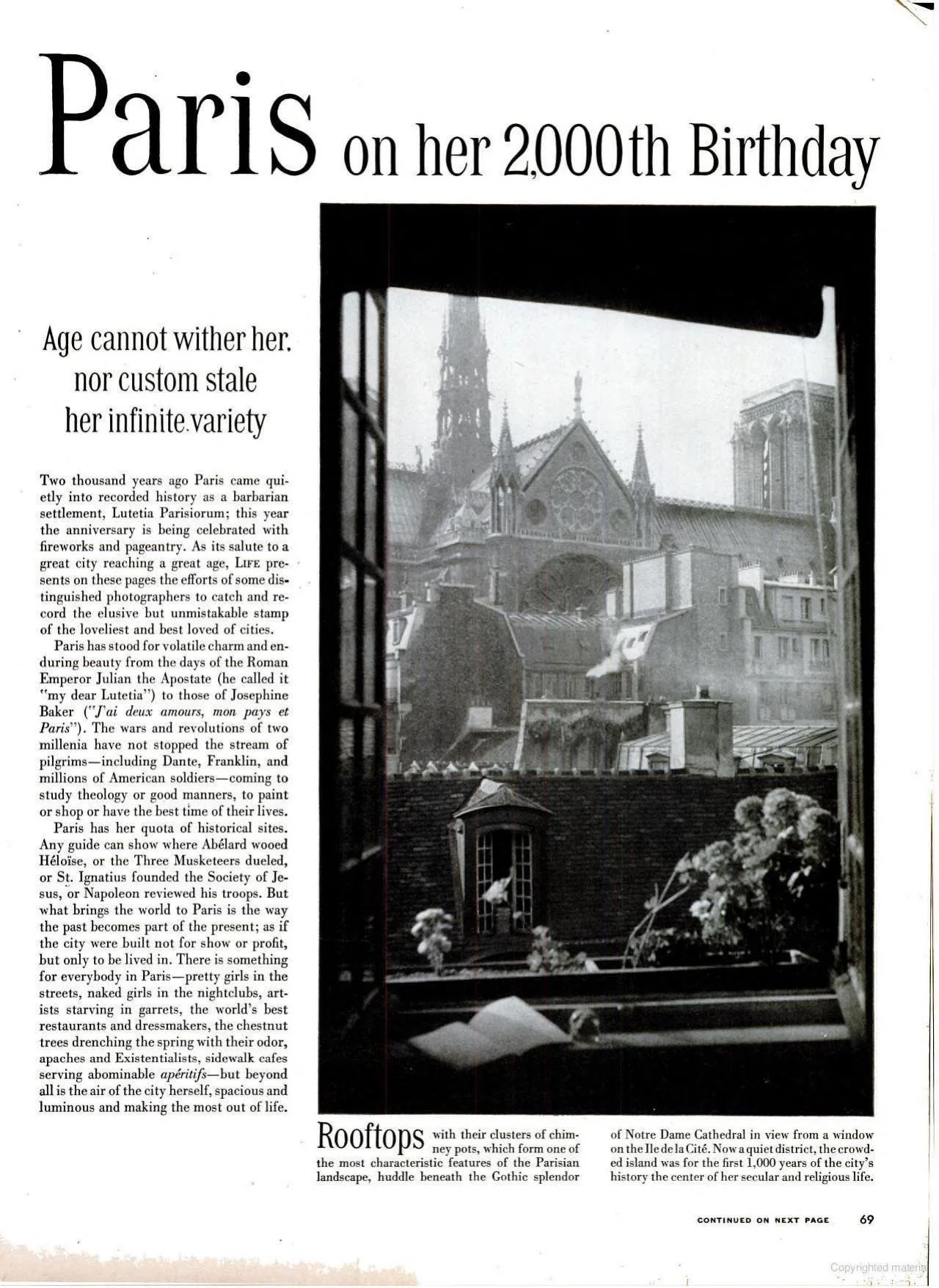
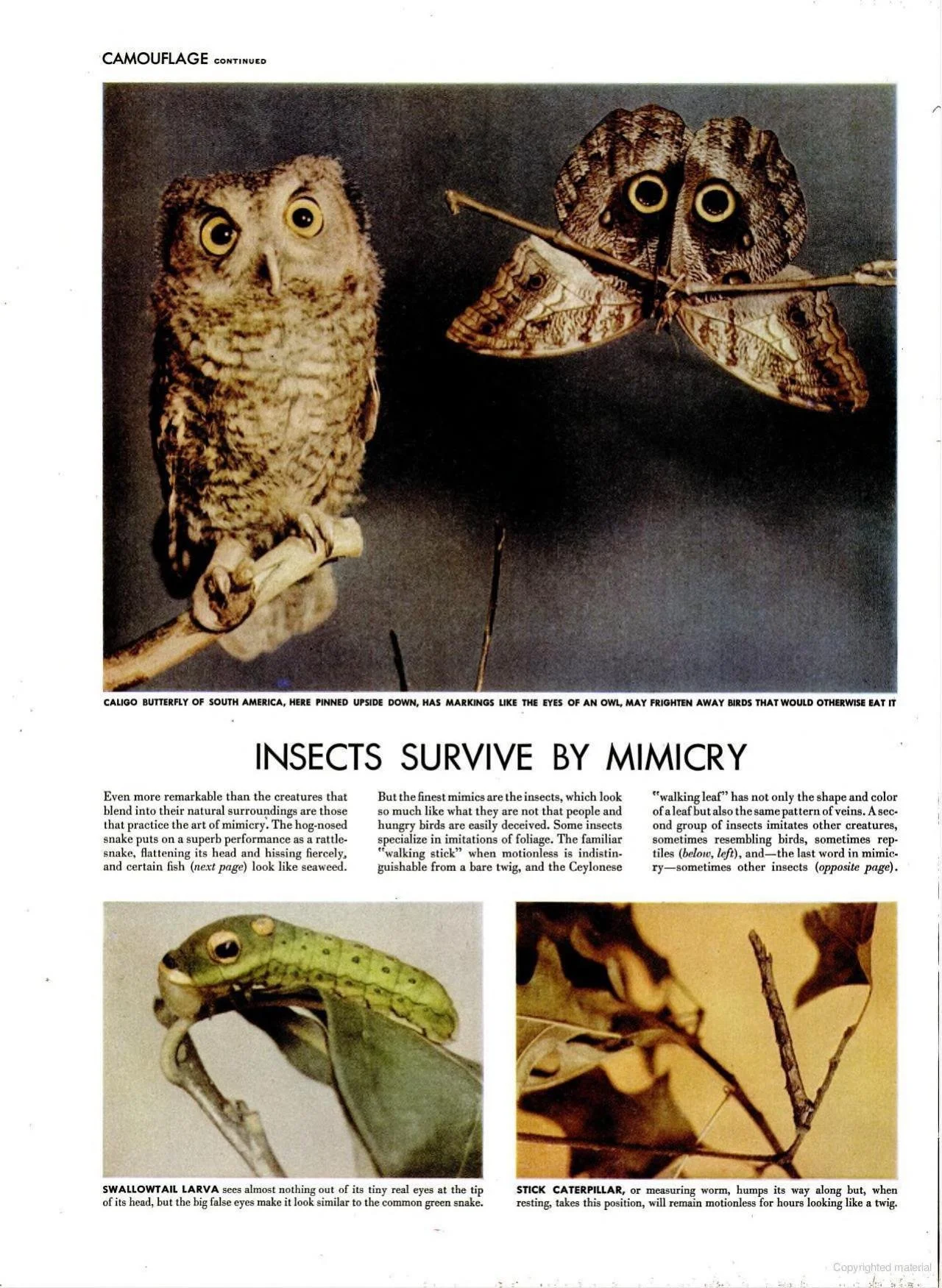
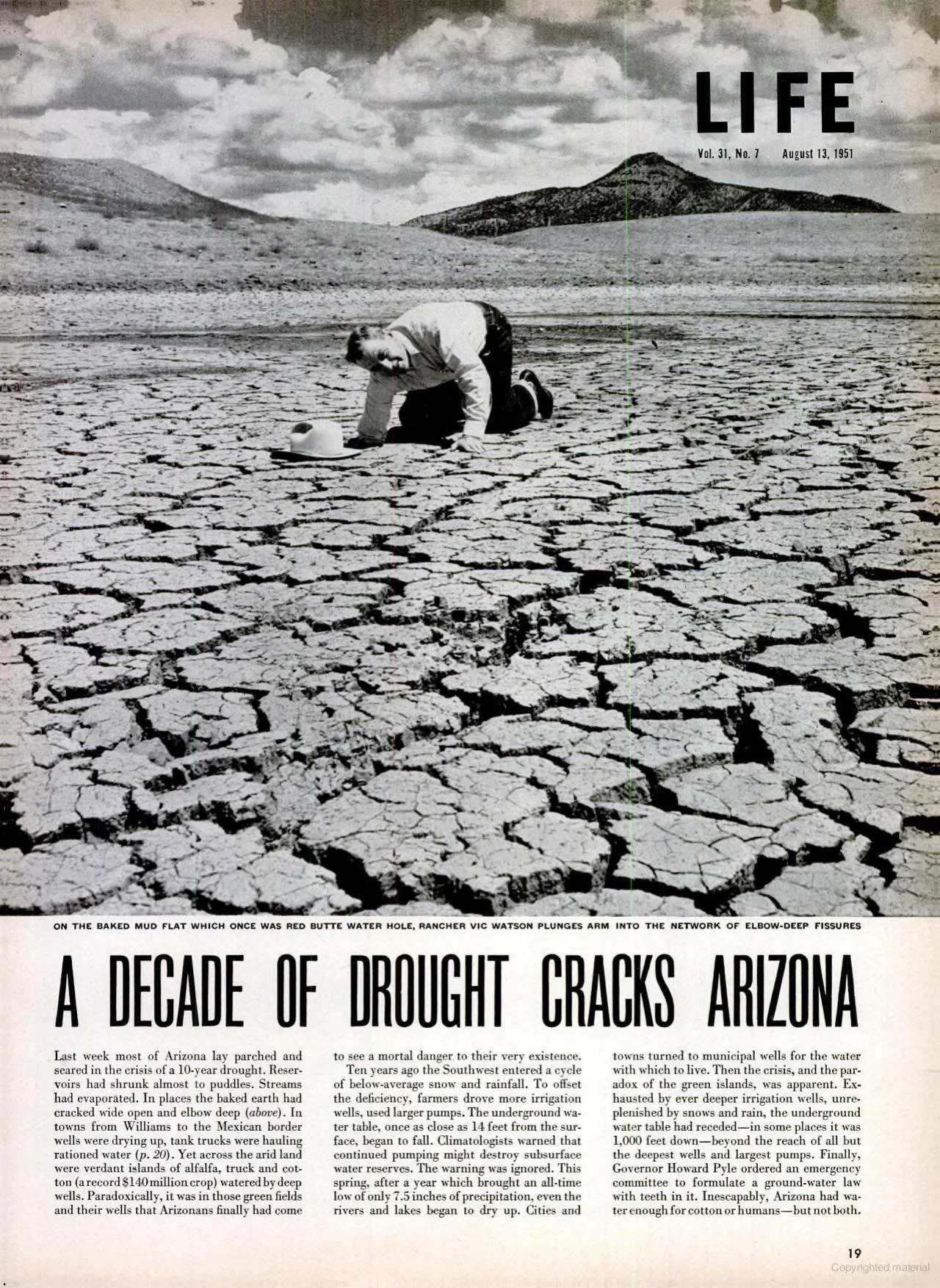
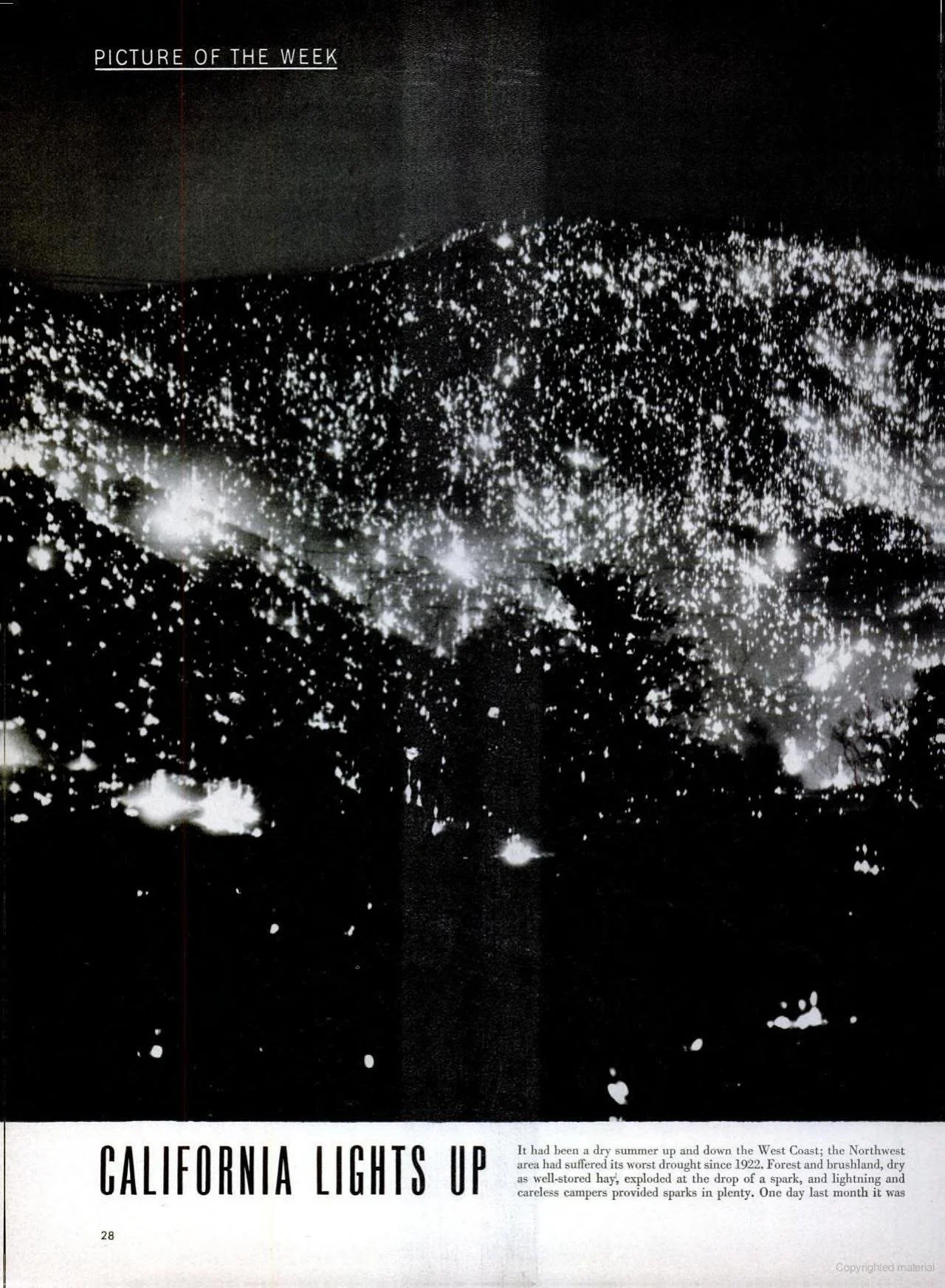
A story in Life Magazine for April 5, 1948 was an pictorial record of what it was like in spring during that time. The trees were leafing out or blooming and wildflowers were blooming in an area that had burned. There were already signs of loss – a farmer plowing before planting oats and sweet clover in an area that has once been bluestem prairie and cows making ruts down to the spring. The dogwoods are not as numerous today as in these pictures. Still – spring comes and we all appreciate the beauty that has survived in the Ozarks.

(Use the arrows on the left and right of the image to move through the slideshow.)

Springfield Botanical Gardens (2) – March 2026

Continuing the images from my walk around the Springfield Botanical Gardens recently….

This post is about the trees.

The deciduous magnolias were blooming. I enjoyed zooming in on the buds and flowers.  There was a little breeze, so the petals were in motion…and the shadows were changing too. Fortunately, it was sunny and the camera was fast enough to stop the motion.

One pine had many cones. Perhaps I should have picked some up that were on the ground to add to my collection of materials to use for tree talks/tabling.

There were other trees too that I photographed – showing how different trees were at different stages of development.

My final stop was near the Botanical Center Building – the deck area still under renovation evidently. I wanted to look at the succulents in the beds near the building. They do well through winter and, if anything, look more colorful having survived the cold!

It occurred to me that this is the time of year to visit the garden frequently to keep up with spring development.

Springfield Botanical Gardens (1) – March 2026

The Springfield Botanical Gardens are full of new beginnings in March. I took a walk around them on a sunny day – using by bridge camera (Canon Powershot SX70 HS) on a monopod. The monopod worked great as a hiking pole, so my back didn’t hurt; I did have to clean mud off the tip though!

The daffodils and other bulbs are the biggest splashes of color. They are in clumps of mulched beds…sometimes with a rock to provide a backdrop (texture and color that is always there no matter the season). My favorites were the large pink hyacinths. They don’t grow as well now as I remember them from years ago evidently since there were some that looked scraggly; there weren’t enough to make give the garden their smell either.

There were other flowers of the season in the grassy areas – small but worth noticing…and dandelions are blooming as well. I have declared a truce with dandelions – won’t cultivate them but I won’t poison them or dig them out either; I might even eat some leaves of the ones that grow in my yard where I know they haven’t been sprayed with anything.

The Lenten roses/hellebores were blooming. They are always some the first blooms of the year.

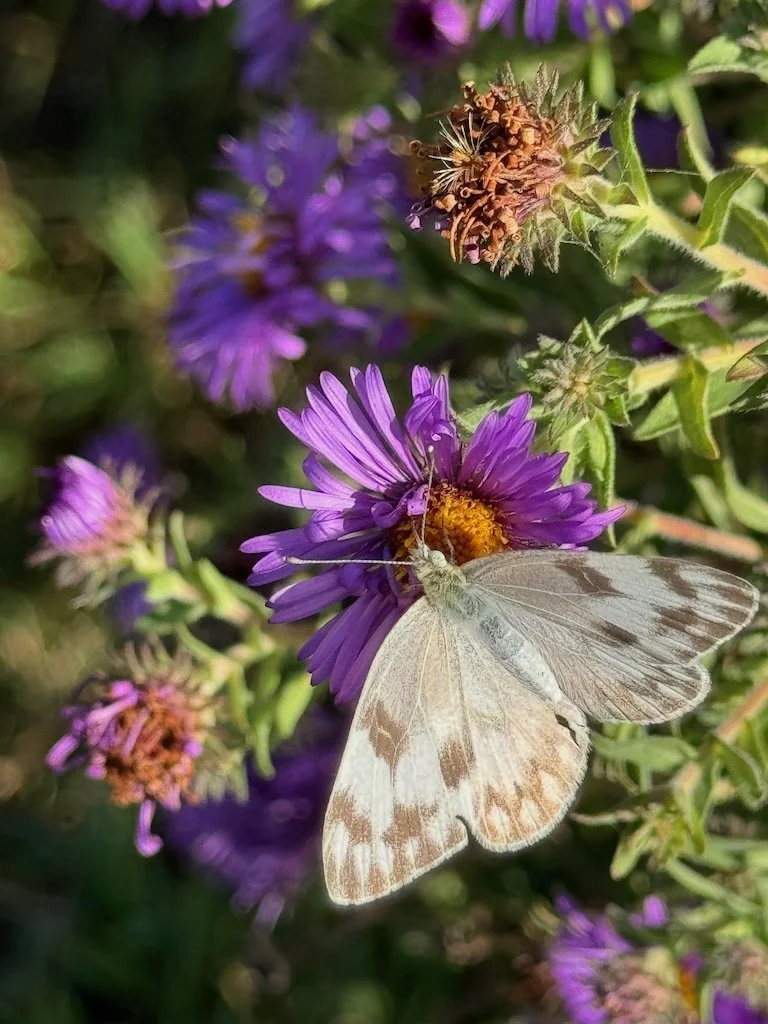
There weren’t many insects active….but I did see a cabbage white butterfly!

Stay tuned for the trees I noticed while I was walking around the gardens in tomorrow’s post.

Plastic Crisis – Altered Purchasing

One way to have less plastic in the environment in the large term is to alter purchasing habits. I am noticing that I’ve applied what I’m learning about plastics to make some changes over the past few months…and I hope others will be thinking along the same lines. Our purchases are a signal to retailers; it would be great if enough people changed some of their purchasing habits enough for the retailers to take note and make some changes of their own!

I find myself looking much more closely when I shop….and skewing toward a no-plastic or less plastic option. I provide some examples and my rationale below.

For example – when I was looking for tea, I realized that there was a tin with loose tea on the shelf and I bought it. I’m still going to finish off the tea bags I have (paper…but could have plastic filaments or glue) but will stop buying other kinds of tea unless they somehow start certifying that they are plastic free.

Another example was a summer house dress. I checked the fiber content, and it was 100% cotton. I would not have purchased it otherwise! Yes – I still have a lot of synthetic fabrics in my closet that I will continue wearing until they are worn out– but I am buying clothes made with natural fiber fabric going forward.

There is sometimes a conflict between less plastic packaging and organic vegetables. One example from where I shop is bell peppers. The organic bell peppers come in plastic packaging. The non-organic peppers are offered either bulk (i.e. no plastic packaging) or in plastic packaging. Bell peppers are one of Consumer Reports’ 6 Fruits and Vegetables Loaded with Pesticides so I am opting for the organic ones even though they are in plastic packaging. This is a case where pesticide concern is high enough to skew toward organic. The organic bell peppers packaged in plastic packaging have probably not been exposed to heat…and I can remove the packaging as soon as I get them home. I still don’t like the packaging…and would prefer an option at the store for organic peppers without any packaging.

Some plastic packaging is more toxic – like Styrofoam. I buy frozen chicken breasts rather than fresh. Yes - they are in a plastic bag…but I’ve eliminated the Styrofoam tray and plastic wrap. I have no waste with the frozen and the bag has obviously never been exposed to heat. I thaw the chicken as I need it – in a glass container.

I will not buy plastic wrap again. I’ll use foil or parchment paper or a container with a lid rather than plastic wrap!

These are just a few examples….there will be many more I am sure. It would be easier if more of what I buy was offered in a non-plastic package!