Gleanings of the Week Ending March 28, 2026

The items below were ‘the cream’ of the articles and websites I found this past week. Click on the light green text to look at the article.

3/23/2026 Washington Post What an oncologist wants you to know about environmental cancer risks - Given what we know about how microplastics can cause damage in the body, the increase in early onset colorectal cancer in the U.S. and the similarities in timing between the increase in cancer rates and the rapid increase in microplastics in the environment, many experts suspect that microplastics are a risk.

3/14/2026 BBC The strange deep-sea creatures that eat whales - Whales usually die far out to sea, scattered along their often vast migration paths. t first, the carcass may float as the gases inside make it swell up like a balloon. Then the whale sinks – through the sunlight, twilight and midnight zones – eventually reaching the darkness of the abyss, its final resting place. In death, the whale gives life, becoming an immense island of food.

3/16/2026 MSN Couples with infertility 'detox' from plastic to get pregnant in new Netflix doc. Does it work? - A new Netflix documentary called "The Plastic Detox" is a sobering look at all the ways that plastic harms our bodies and the planet — especially our reproductive health. Shanna Swan, Ph.D., a professor at Mount Sinai in New York City, is one of the prominent figures sounding the alarm on the effects of environmental pollutants on fertility. For the documentary, she worked with five couples who'd been struggling to get pregnant for years without a medical explanation. The goal? To reduce their exposure to plastics to see if they could conceive. In the end of the documentary, it's revealed three of the couples had gotten pregnant, and one was expecting again. The results were also published in a study in the journal Toxins on March 16.

3/20/2026 Yale Environment 360 In Mexican Forests, Monarch Butterflies Halt Their Decline - For the past quarter century, the future of monarch butterflies has looked dire, with these iconic American insects flitting toward extinction. Now, however, there is at least a small reason for hope: New data from WWF Mexico, a large conservation group, offers further evidence that the decline of eastern monarchs — the world’s largest population — has stopped, even as the insects face worsening threats across their range.

3/16/2026 Our World in Data Why cheap waste management is key to stopping plastic pollution – I was disappointed in this article. They completely miss the issue of food packaged and heated in plastic. Yes – that plastic packaging does not get loose in the environment but the microplastics (and chemicals) that leach into food gets into our bodies. And the leachate coming off lined landfills in countries with good waste management systems includes microplastics that the sewage treatment plants don’t take out before the liquid is released back into streams….and that will continue to happen for many years to come. And what happens when the liners of the landfills begin to break down and the leachate goes more directly into the environment. The answer in probably not cheap waste management…we need to be look at less waste – particularly less plastic waste.

2/17/2026 NASA Winds Whip Up Fires and Dust on the Southern Plains – This satellite image is from mid-February but I noticed smoke in the air as I drove on I-44 east of Tulsa last weekend! I don’t know if it was wildfires or controlled burns…but I was glad I had a portable air purifier in my car!

3/21/2026 I’m Plastic Free 9 Essential Ways to Reduce Plastic Waste on Your 2026 Travels – I would add a reusable bowl/plate for hotel breakfasts (along with cutlery…I take stainless steel cutlery since I have an extra set…and simply clean then to reuse…I have a tin that keeps them together).

3/18/2026 Smithsonian Magazine Cannibalistic Blue Crabs Are Eating Their Younger Peers in Part of the Chesapeake Bay - Young blue crabs find refuge from many predators in the mid-salinity waters of some spots along the Chesapeake Bay. But there, they face another threat: Getting eaten by their older peers.

3/16/2026 National Parks Traveler What It Takes to Clean a Yellowstone Hot Spring - Cleaning hot springs is hard work! Some remediations, like the Grand Prismatic Overlook trail spring, require shovels, strainers, and grabber tools. The cleaning of Solitary Geyser, however, required a hook with a 16-foot extendable handle to remove large objects within the interior parts of the pool and hand rakes to collect the hundreds of wood splinters that had been thrown into the splash basins around the pool margin.

3/13/2026 Science Daily Microplastics may be quietly damaging your brain and fueling Alzheimer’s and Parkinson’s - Researchers identified five key biological pathways that may allow microplastics to harm the brain. These include activating immune cells, increasing oxidative stress, disrupting the blood-brain barrier, interfering with mitochondria, and damaging neurons. The review also describes how microplastics might contribute to specific neurodegenerative diseases. In Alzheimer's disease, they may promote the buildup of beta-amyloid and tau proteins. In Parkinson's disease, they could encourage aggregation of α-Synuclein and harm dopaminergic neurons. Additional studies are needed to confirm a direct causal link. Even so, the researchers recommend practical steps to reduce everyday exposure. We need to change our habits and use less plastic. Steer clear of plastic containers and plastic cutting boards, don't use the dryer, choose natural fibers instead of synthetic ones and eat less processed and packaged foods.

Plastic Crisis – The Plastic Detox

The Plastic Detox (trailer) is a documentary that was released by Netflix on March 16th. This documentary follows the research of Dr. Swan and other experts in the field, covering the impact on human development and showing how we can take matters into our own hands. It’s so easy for the microplastics conversation to be doom and gloom ---- this movie hints at a path forward…a hopeful component even while we acknowledge that there is a lot that needs to be done.

As a Missouri Master Naturalist, I am concerned of the degradation of the environment for wildlife (plants and animals) by plastics. The documentation of plastic impact on human health has a huge audience…and I am hopeful that some of the actions we take to detox for ourselves helps the larger environment as well.

The movie is well-timed for the outreach work the Beyond Plastics Ozarks (the local group of Beyond Plastics that I am part of) will be doing in the next few months! Many people will watch it on their own…and we might plan showing/discussion group sessions several times this year.

Plastic Crisis – Altered Purchasing

One way to have less plastic in the environment in the large term is to alter purchasing habits. I am noticing that I’ve applied what I’m learning about plastics to make some changes over the past few months…and I hope others will be thinking along the same lines. Our purchases are a signal to retailers; it would be great if enough people changed some of their purchasing habits enough for the retailers to take note and make some changes of their own!

I find myself looking much more closely when I shop….and skewing toward a no-plastic or less plastic option. I provide some examples and my rationale below.

For example – when I was looking for tea, I realized that there was a tin with loose tea on the shelf and I bought it. I’m still going to finish off the tea bags I have (paper…but could have plastic filaments or glue) but will stop buying other kinds of tea unless they somehow start certifying that they are plastic free.

Another example was a summer house dress. I checked the fiber content, and it was 100% cotton. I would not have purchased it otherwise! Yes – I still have a lot of synthetic fabrics in my closet that I will continue wearing until they are worn out– but I am buying clothes made with natural fiber fabric going forward.

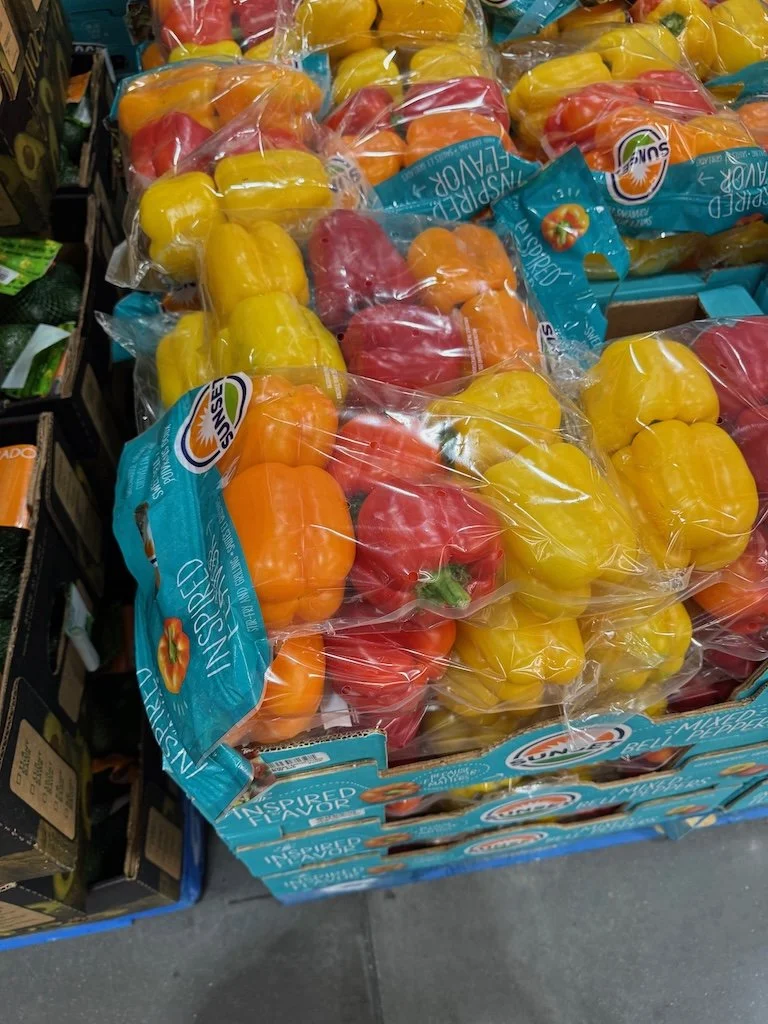
There is sometimes a conflict between less plastic packaging and organic vegetables. One example from where I shop is bell peppers. The organic bell peppers come in plastic packaging. The non-organic peppers are offered either bulk (i.e. no plastic packaging) or in plastic packaging. Bell peppers are one of Consumer Reports’ 6 Fruits and Vegetables Loaded with Pesticides so I am opting for the organic ones even though they are in plastic packaging. This is a case where pesticide concern is high enough to skew toward organic. The organic bell peppers packaged in plastic packaging have probably not been exposed to heat…and I can remove the packaging as soon as I get them home. I still don’t like the packaging…and would prefer an option at the store for organic peppers without any packaging.

Some plastic packaging is more toxic – like Styrofoam. I buy frozen chicken breasts rather than fresh. Yes - they are in a plastic bag…but I’ve eliminated the Styrofoam tray and plastic wrap. I have no waste with the frozen and the bag has obviously never been exposed to heat. I thaw the chicken as I need it – in a glass container.

I will not buy plastic wrap again. I’ll use foil or parchment paper or a container with a lid rather than plastic wrap!

These are just a few examples….there will be many more I am sure. It would be easier if more of what I buy was offered in a non-plastic package!

Gleanings of the Week Ending March 14, 2026

The items below were ‘the cream’ of the articles and websites I found this past week. Click on the light green text to look at the article.

2/25/2026 The Scientist Forever Chemicals May Accelerate Aging in Middle-Aged Men - The team detected the PFAS perfluorononanoic acid (PFNA) and perfluorooctanesulfonamide (PFOSA) in 95 percent of the participants. PFNA and PFOSA, both invented in the middle of the 20th century, are still used widely today in consumer products designed to be stain-, grease-, and water-repellent. To reduce risk, individuals can try to limit their consumption of packaged foods and avoid microwaving fast-food containers. Looking ahead, we are actively modeling how PFAS interacts with other common pollutants, as we need to understand the cumulative health risks of these chemical mixtures

3/1/2026 BBC Can ‘friction-maxxing’ fix your focus? - While modern technology can streamline day-to-day life, making everything from dating to food delivery more efficient, it may come at a cost: early data suggests that our attention span may be shortening, critical thinking capabilities weakening, emotional intelligence fading, and spatial memory getting worse as we offload human tasks to our devices. Analogue hobbies such as crafting, gardening or reading – which involve friction as opposed to scrolling or streaming – can act as "active meditation", calming the mind and reducing stress. One 2024 study of more than 7,000 adults living in England found that those who engaged in crafting or the creative arts were more likely to report significantly higher life satisfaction, a greater sense that life is worthwhile and increased happiness. 

2/24/2025 The New York Times Plastic, Plastic Everywhere - Peak oil may be on the horizon. But peak plastic is nowhere in sight. In a new book, “Plastic Inc.,” the journalist Beth Gardiner digs into an industry that mostly flies below the radar but has huge impacts on human health, environmental pollution and global warming.

3/5/2026 Yale 360 Species Slowdown: Is Nature’s Ability to Self-Repair Stalling? - When scientists recently analyzed hundreds of studies of ecosystems, they were surprised to see a marked slowing in the rate of species turnover. If new species don’t replace old ones, they say, ecosystems may have less flexibility to respond to habitat loss and climate change.

2/28/2026 KCTV A ban on mini liquor bottle sales in five Kansas City neighborhoods officially introduced - Mayor Quinton Lucas and Councilwoman Melissa Robinson officially introduced an ordinance Thursday that would ban the sale of certain single-serve alcohol products in five Kansas City neighborhoods - — areas the city said have documented public safety concerns and recurring quality-of-life complaints from residents.

3/5/2026 The Conversation Choosing to buy organic food depends more on trust than taste - Organic labels work only when the system behind them is trusted. This has important implications at a time when food prices are rising and trust in public institutions is under pressure in many countries.

2/2/2026 Washington Post Baggies, retainers and more: 5 microplastics questions, answered - If you only have the bandwidth for a few battles, heating food in plastic is the bigger front. Most experts agree that ultra-processed foods are likely the biggest source overall in our diets. Food that comes packaged in plastic is obvious, but there are exposures during industrial processing that we don’t see. That’s one more reason to lean toward whole foods when you can.

3/4/2026 National Parks Traveler Study Finds Bird Populations Are In Decline As Panel Considers Weakening Key Act - Bird populations are in decline, with billions fewer birds are flying through North America compared to a decade ago, according to a study published in February 2026. The researchers found that about half of the 261 species analyzed showed significant declines from 1987 to 2021, and a quarter showed accelerating declines. The study points out that the declines are primarily because of high-intensity agriculture and warming temperatures. The findings come as a congressional panel is holding a hearing to consider weakening the Migratory Bird Treaty Act. Extinction starts with declines like these, and birds are often the indicators that our environment is too toxic to support other life.

3/4/2026 Science Daily Millions with joint pain and osteoarthritis are missing the most powerful treatment - Despite affecting nearly 600 million people worldwide — and potentially a billion by 2050 — the most powerful treatment isn’t surgery or medication. It’s exercise.

2/26/2026 Canary Media Balcony solar is taking state legislatures by storm - Plug-in solar is already booming in Europe. As many as 4 million households in Germany have installed the systems, which people can order through Ikea. 28 states and D.C. are considering plug-in solar bills.

Plastic Crisis - Actions at the Community Level – February 2026

At the end of January, it seemed like my community level activities about plastics had started out at a bit faster than I anticipated….and I wondered if it would continue. February was a month of preparation for things that would happen in April and beyond; I didn’t anticipate that there would be plastic-related legislation to begin tracking too!  

There currently are two plastic-related bills filed in the Missouri House. Neither is on the House calendar but they both had ‘read second time’ action in February:

  • HB 3193 - Phases out the use of single-use plastic products at Missouri State Parks and Historic Sites

  • HB 3357 - Prohibits the sale of intravenous solution containers and intravenous tubing products intentionally made with DEHP

I will be following both; it will be my first experience with tracking something through the Missouri legislative process. Beyond Plastics Ozarks will have to decide how we want to include information about these in upcoming outreach activities.

Beyond Plastics Ozarks’ first tabling - outreach event will be in April – associated with an Earth Day music festival. I’ve requested copies of information sheets from Show-me Less Plastic and have ideas for additional handouts that are more locally focused. We’ll probably make a sign to advertise our ‘bring your own bag (BYOB)’ initiative that we’ll start at local farmer’s markets. I’m collecting rocks to keep handout pages secure on the table even if it is breezy.

I’ve been asked to do a presentation at the state conference for Master Gardeners on microplastics in June. I’ve gathered some presentation materials from others and will facilitate a brainstorming session that will develop some gardener specific ideas on reducing microplastics.

Having a plastics movie showing and lining up tabling at farmer’s markets is still on the Beyond Plastics Ozarks ‘to do’ list. It looks like the first 6 months of 2026 are going to be busy!

Gleanings of the Week Ending February 28, 2026

The items below were ‘the cream’ of the articles and websites I found this past week. Click on the light green text to look at the article.

2/16/2026 Journal of Advanced Research Association between exposure to microplastics and lipid disorders: A case-control study – Study with 239 patients aged ≥18 years who underwent fiberoptic bronchoscopy with bronchoalveolar lavage fluid (BALF) collected. Microplastics in BALF were identified and quantified using laser direct infrared spectroscopy. Fourteen main types of microplastics were detected in BALF with PE being dominant. Exposure to microplastics was associated with elevated levels of total cholesterol.

2/16/2026 National Parks Traveler A Day in the Park: Canyon de Chelly National Monument – This article reminded me of a visit to the park in 1983! We hiked the White House Trail, and I remember wading across a stream with the 4 of us holding hands just in case there was a pocket of quicksand. We managed to get through with neither of the two cameras getting dipped in the water.

2/13/2026 Science Daily Scientists make microplastics glow to see what they do inside your body - A new study proposes an innovative fluorescence-based strategy that could allow researchers to track microplastics in real time as they move, transform, and degrade inside biological systems.

2/15/2026 Our World in Data Four minutes of air conditioning - In at least 45 countries, the average residential electricity use per person for an entire day is less than the electricity that is required to power an air conditioner for one hour. In India, the daily electricity budget is sufficient for only 44 minutes of AC. In Nigeria, just 13 minutes; and in South Sudan, just 4. Most people in some of the world’s hottest countries do not use AC. The most recent data from the International Energy Agency suggests that just 5% of households in India, 6% in South Africa, and 16% in Brazil had air conditioning. In the very poorest countries, almost no one has it. In colder countries, we wouldn’t accept people freezing in their homes. The opposite is also true: we shouldn’t accept people working and living in oppressive heat without ways to cool themselves down.

2/15/2026 Planetization South Carolina Mapping Tool Tracks Marsh Migration From Sea Level Rise - A new mapping tool funded by the National Fish and Wildlife Foundation maps South Carolina’s shifting salt marshes, which are pushing inland as seawater levels rise. The mapping tool translates theoretical projections into actionable data. For a more detailed explanation and videos see the article on Governing.

1/23/2026 The Scientist Antibiotic Resistance Is Rising: 4 Trends Could Change That Course - Antibiotic resistance is sometimes framed as an inevitable catastrophe. But I believe the reality is more hopeful: Society is entering an era of smarter diagnostics, innovative therapies, ecosystem-level strategies and policy reforms aimed at rebuilding the antibiotic pipeline in addition to addressing stewardship. For the public, this means better tools and stronger systems of protection. For researchers and policymakers, it means collaborating in new ways. The question now isn’t whether there are solutions to antibiotic resistance – it’s whether society will act fast enough to use them.

2/11/2026 Smithsonian Magazine Ice Fishermen Catch Record-Breaking 244-Pound Atlantic Halibut After Hours-Long Struggle - The fish measured more than six and a half feet long and easily broke the previous record—194 pounds—for the largest halibut caught on the Saguenay, which had been set last winter. The record-breaking Saguenay fish was the 27th halibut hooked this winter as part of the research project. After organs are removed for study, the fishermen will get to keep and split roughly 170 pounds of meat.

2/16/2026 Science Daily Microplastics have reached Antarctica’s only native insect - Scientists have discovered that Belgica antarctica — a tiny, rice-sized midge and the southernmost insect on Earth — is already ingesting microplastics in the wild. While lab tests showed the hardy larvae can survive short-term exposure without obvious harm, those exposed to higher plastic levels had reduced fat reserves, hinting at hidden energy costs.

2/16/2023 Cool Green Science 8 of the World’s Little-Known Wildlife Migrations – Lots of different kinds of animals of this list!

2/16/2026 Yale Environment 360 Despite Rollbacks, U.S. Fossil Fuels Face Tough Road Ahead - The weakening of environmental regulations belies the downward trajectory for fossil fuels under President Trump. Today, the U.S. coal fleet is the smallest it has been in decades, having shrunk roughly in half since 2010. There are no new coal plants under construction. Oil is expected to stagnate as global production outpaces demand. Oil executives say the shale boom may be coming to an end. Natural gas remains a bright spot for U.S. fossil fuels as a recent boom in gas exports continues to drive demand for U.S. gas

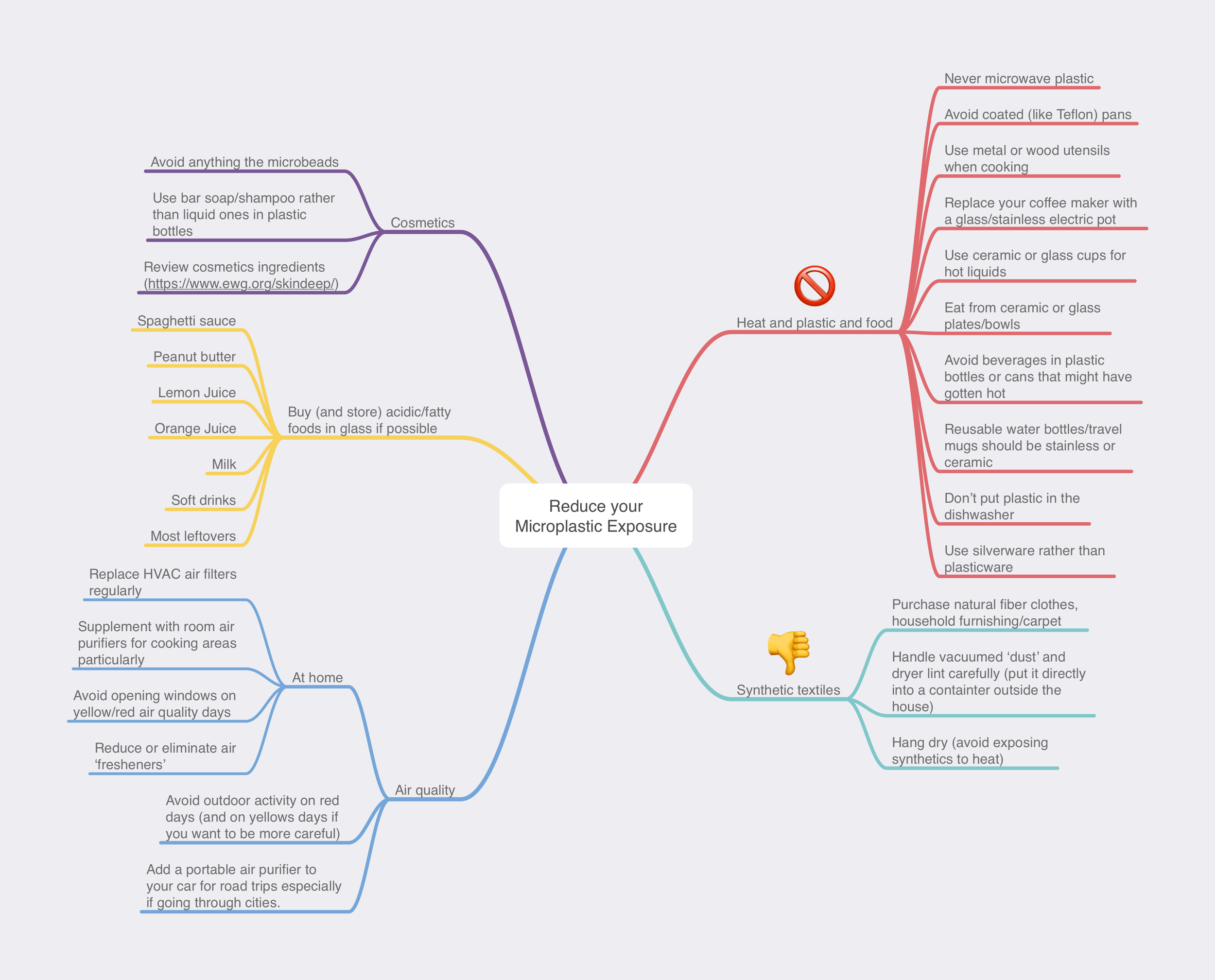
Plastic Crisis: Creating a ‘Reduce your Microplastic Exposure’ Mind Map

One of the first mind maps I worked on after purchasing the MindNode app was about reducing microplastic exposure. It was a good way to collect my thoughts and learn the tool. I am gearing up for spring and early summer tabling and talks on plastics – feeling the need to get organized and hone the way I deliver the message!

The mind map is still a work in progress – I still don’t have anything about household cleaners or water filtering (for drinking and maybe for shower). The things I feel are the biggest issues (heat/plastic/food and synthetic textiles) are there, but they may get more detail over time. I haven’t figured out where to put ditching the plastic cutting board. My goal is to create one page mind maps on various perspectives of the plastics issue and either use them directly as conversation starters or translate them into other forms for presentation.

It feels good to be creating mind maps again and I like MindNode. Years ago – during my career (over 15 years ago) – I created a lot of mind maps using MindManager but it is now too expensive for individuals (and overly complex for what I need)!

Gleanings of the Week Ending February 21, 2026

The items below were ‘the cream’ of the articles and websites I found this past week. Click on the light green text to look at the article.

2/2/2026 York Daily Record Mountains of plastic turf in limbo after Pa. recycling project falters - A Danish company's plan to build an artificial turf recycling plant in Pennsylvania has failed due to bankruptcy. The state is now responsible for cleaning up thousands of tons of abandoned turf stockpiled across three counties. The abandoned turf, which may contain "forever chemicals," will now be sent to a landfill instead of being recycled.

2/8/2026 Clean Technica Why China’s Aluminum Industry May Have Reached Peak CO2 - Relocation to hydro regions is largely complete. Secondary aluminum is rising into double digit millions of tons. Coal heavy output has already peaked and begun to edge down. Renewable penetration in coal regions continues to rise. Reversing this trend would require renewed growth in coal-based smelting or a collapse in recycling, neither of which fits China’s industrial or energy trajectory.

2/9/2026 BBC Fungi mining and giant waste piles: How to get rare earths without mining rock -Gigantic heaps of coal ash, mine tailings and red mud are traditionally expensive and difficult to deal with. But if new processes allow rare earth harvesters to engage in remediation while hoovering up rare earths, then industry and environmentalists might no longer be at odds over what to do about all that waste.

2/8/2026 Science Daily Scientists finally solve a 100-year-old mystery in the air we breathe - The new model offers a stronger foundation for understanding how airborne irregularly shaped nanoparticles (like soot, microplastics, viruses) move across a wide range of scientific fields. These include air quality monitoring, climate modeling, nanotechnology, and medicine. The approach could improve predictions of how pollution spreads through cities, how wildfire smoke or volcanic ash travels through the atmosphere, and how engineered nanoparticles behave in industrial and medical applications.

2/6/2026 Archaeology Magazine Aqueduct at Early Italian Villa Explored - Based on the construction method of this hydraulic system, it might have been originally created to serve a rural village predating the construction of the villa, during a period before the Romans had fully solidified their control over this region of Italy.

2/4/2026 Yale Environment 360 Seas to Rise Around the World — but Not in Greenland - The reasons are twofold. 1)  the massive Greenland ice sheet, which at its center is roughly a mile thick, compresses the land underneath. As the ice melts, the land rebounds, rising above the sea. 2) the Greenland ice sheet is so large that it exerts a gravitational pull on surrounding waters, drawing them higher. But in a warming Arctic, Greenland is shedding some 200 billion tons of ice a year. As its gravitational pull wanes, waters recede.

2/5/2026 Smithsonian Magazine Air Pollution Can Cause Some Ants to Turn on One Another—and Neglect Their Young - As insect populations decline around the world, the findings further point to air pollutants as a possible cause, in addition to pesticides, light pollution and other factors. The work is especially important given the crucial role ants play in maintaining healthy habitats, such as dispersing seeds, controlling pests and aerating soil.

2/4/2025 Cool Green Science Reading the Tree Rings – Great photographs by Greg Kahn for this article. One of the labs visited for the article was the Laboratory of Tree-Ring Research at the University of Arizona that I visited when my daughter was a graduate student in Tucson in 2015 (my blog post about it here).

2/4/2026 Compound Interest World Cancer Day: How antibody–drug conjugates for cancer work - Our ability to use medicines to target more effectively is improving, and antibody–drug conjugates are an increasingly effective tool in combating cancers. This graphic explains what they are, how they work, and how they might improve in the future.

2/4/2026 National Parks Traveler Florida’s Ailing Reef - The reef is fighting for its very survival, beset by the trauma of climate change and warming water, commercial and recreational fishing, and drainage pollution coming from Florida’s canal system.

Gleanings of the Week Ending February 14, 2026

The items below were ‘the cream’ of the articles and websites I found this past week. Click on the light green text to look at the article.

12/18/2025 Ozark Public Television Wild Ozarks: A Legacy of Conservation – Very well done. I am recommending it to be part of the core training for the next group of Springfield Plateau Missouri Master Naturalists!

2026 Million Marker Test Kit – I’m going to do as much as I can to reduce microplastics…then do this test….probably next summer. It is advertised as the only mail-in test for BPA, BPS, BPF, phthalates, parabens, and oxybenzone.

2/3/2026 Yale 360 China to See Solar Capacity Outstrip Coal Capacity This Year - By the end of 2026, wind and solar will account for nearly half of China’s power capacity. Including hydro and nuclear power, clean energy will amount to nearly two-thirds of total power capacity, while coal will amount to a third. Competing with cheap solar and wind, a large share of coal plants are now operating at a loss.

2/1/2026 Cool Green Science Catching Sharks for Science - On Long Beach Island, volunteer anglers help researchers uncover the hidden journeys of sharks in threatened salt marsh ecosystems.

2/3/2026 Science Daily Even remote Pacific fish are full of microplastics - Even in some of the most isolated corners of the Pacific, plastic pollution has quietly worked its way into the food web. A large analysis of fish caught around Fiji, Tonga, Tuvalu, and Vanuatu found that roughly one in three contained microplastics, with Fiji standing out for especially high contamination. Reef and bottom-dwelling fish were most affected, linking exposure to where fish live and how they feed.

2/1/2026 National Parks Traveler New York Art Teacher Earns 30 National Park Resident Artist Spots In 10 Years – Artist-in-residence at National Park Service sites. Many of the programs are funded by nonprofits, grants, or donations made directly to the Park Service. Categories are broad and include writers, painters, photographers, musicians, dancers, sculptors, and animators. 

1/30/2026 My Modern Met Society of Photographers 2025 Contest Announces Its Astounding Winners – Chosen from over 6,000 photographs submitted!

1/29/2026 BBC From bad omen to national treasure: The rare bone-swallower stork saved by a female army - Known locally as the hargila (or "bone-swallower") for its scavenging ways, greater adjutant storks are unique birds. Roughly 5ft (1.5m) tall, they aren't only imposing but also play a vital role in maintaining the health of a wetland ecosystem. As scavengers that consume and clean up carcasses, they prevent the spread of disease and break down decaying organic matter, recycling essential nutrients back into the soil. They were feared, reviled and in some communities, hunted for their meat which was once widely used in folk medicine as a cure for leprosy or antidote to poison.

1/28/2026 Archaeology Magazine Study tracks wild potato across the Southwest - People carried a small, wild potato known as the Four Corners potato (Solanum jamesii), across the southwestern United States some 10,000 years ago.

1/27/2026 Super Age Wellness Is Finally Admitting It Got the Last Decade Wrong – The article lists 10 trends from the 2026 Global Wellness Report. One of the 10 is “Microplastics are at threat to healthspan.”

Gleanings of the Week Ending February 7, 2026

The items below were ‘the cream’ of the articles and websites I found this past week. Click on the light green text to look at the article.

1/22/2026 I’m Plastic Free How Geography Impacts Plastic-Free Living - Many people want to reduce plastic, but simply don’t have the tools nearby. In larger cities, it’s often easier to find refill stores, farmers’ markets, and shops that sell loose produce, but the access varies widely between wealthier and lower-income city areas. Living in a city doesn’t guarantee sustainable options. here are a variety of factors that determine the amount of plastic used by consumers. These usually include their location, the system of commerce, and the accessibility of plastic products. Understanding how an area shapes shopping decisions will lead to people advocating for a change where it matters the most.

1/22/2026 Yale Environment 360 In Europe, Wind and Solar Power Overtakes Fossil Fuels - Last year, for the first time, wind and solar supplied more power than fossil fuels to the E.U. In parts of Europe, there are signs that increasingly cheap batteries are beginning to displace natural gas in the early evening, when power demand is high, but solar output is waning.

1/23/2025 Smithsonian Magazine United Nations Declares That the World Has Entered an Era of ‘Global Water Bankruptcy’ - Life around the world has been feeling the effects of climate change, land degradation, deforestation, pollution and the overuse of water. Ultimately, most regions are using too much of their renewable “income” of water from rivers and snowmelt and have emptied their “savings” in groundwater and other reservoirs, ushering in an era of “global water bankruptcy.” We cannot rebuild vanished glaciers or reinflate acutely compacted aquifers. But we can prevent further losses and redesign institutions to live within new hydrological limits.

1/21/2026 BBC Future How the nutritional benefits of foods change as you age - The two main nutrients we should focus on in old age are calcium and vitamin D. Eating enough quality protein is also really important as we age.

1/20/2026 ScienceDaily Stanford scientists found a way to regrow cartilage and stop arthritis - Scientists at Stanford Medicine have discovered a treatment that can reverse cartilage loss in aging joints and even prevent arthritis after knee injuries. By blocking a protein linked to aging, the therapy restored healthy, shock-absorbing cartilage in old mice and injured joints, dramatically improving movement and joint function. Human cartilage samples from knee replacement surgeries also began regenerating when exposed to the treatment. Human trials will be launched soon.

1/12/2026 The Daily Show Vitamin Plastic Water: Don’t Just Consume Microplastics, Enjoy Them! – Humor in a plastic world.

1/20/2026 NASA Explore North America’s Greenhouse Hub - In the Leamington (Ontario) area, growers cultivate vegetables and other crops within millions of square feet of greenhouse space. Commercial greenhouse operations began to gain a foothold in this area in the 1960s and 1970s as technology advanced and regional demand for fresh vegetables increased. Since then, the industry has continued to grow, securing Leamington’s reputation as the “greenhouse capital of North America.”

1/20/2026 NPR Polyester clothing has been causing a stir online. But how valid are the concerns? - Though polyester has been around for a while, in many cases, manufacturers have begun using polyester for items that natural fibers would be better suited for. For example, polyester is often found in summer clothes, even though the material traps heat. And people eventually dump clothes that are uncomfortable. Mounds of abandoned clothing are showing up on coastlines in countries like Ghana, India and Chile, Palladino said. Ghana, for example, has a large market for upcycling clothes. But many of the clothes it receives from the U.S. are of increasingly lower quality, so some purchasers dump them in lagoons and landfills, which end up in the oceans. Natural fibers clothing have cost you a little more, but you're going to have it longer.

1/19/2026 ArtNet The Forgotten Designer Who Created America’s First National Parks Posters - Dorothy Waugh was a pioneering Modernist designer who created the U.S. government’s first in-house National Parks poster campaign during the Great Depression, is the subject of her first-ever solo exhibition. After leaving the NPS, Waugh got a job at Knopf, founding and leading the publishing house’s Books for Young Adults Division. She also worked for 25 years as the head of public relations at the Montclair Public Library in New Jersey. In addition, Waugh was an educator, offering the first-ever course in typography at the New York School of Fine and Applied Art, now the Parsons School of Design. On top of all that, she moonlighted as journalist and poet, and even as a radio personality, with her own regional radio program. She also wrote and illustrated many books for children, as well as two scholarly tomes on the poet Emily Dickinson. The last of those was published when Waugh, who lived to be 99, was 94.

1/18/2026 Our World in Data How have crime rates in the United States changed over the last 50 years? - Several crimes fall within the category of violent crimes. In US statistics, this includes homicide (murder and non-negligent manslaughter), rape, robbery, and aggravated assault. Violent crime rates increased during the 1980s, reaching a peak in the early 1990s at around 750 offenses per 100,000. Since then, rates have more than halved. Over the past three decades, rates have fluctuated slightly from year to year, but the overall trend has been downward.

Plastics Crisis – Action at the Community Level – January 2026

The weekly Plastics Crisis posts are dominated by what I am doing as an individual to reduce my plastics exposure – but I am also acting at a community level as well; my plan is to post at least once a month to document those actions. Looking back at January, there was a bigger variety than I anticipated at the beginning of the month.

Beyond Plastics Ozarks is ramping up! We added a few additional members, and I hosted my first zoom meeting for the group. I experimented with annotating the Zoom generated summary rather than writing up my own notes; it seems to work reasonably well but I will still take plenty of notes during the meeting!

I was part of a meeting with a Springfield Councilmember organized by the Show-me less plastic project.

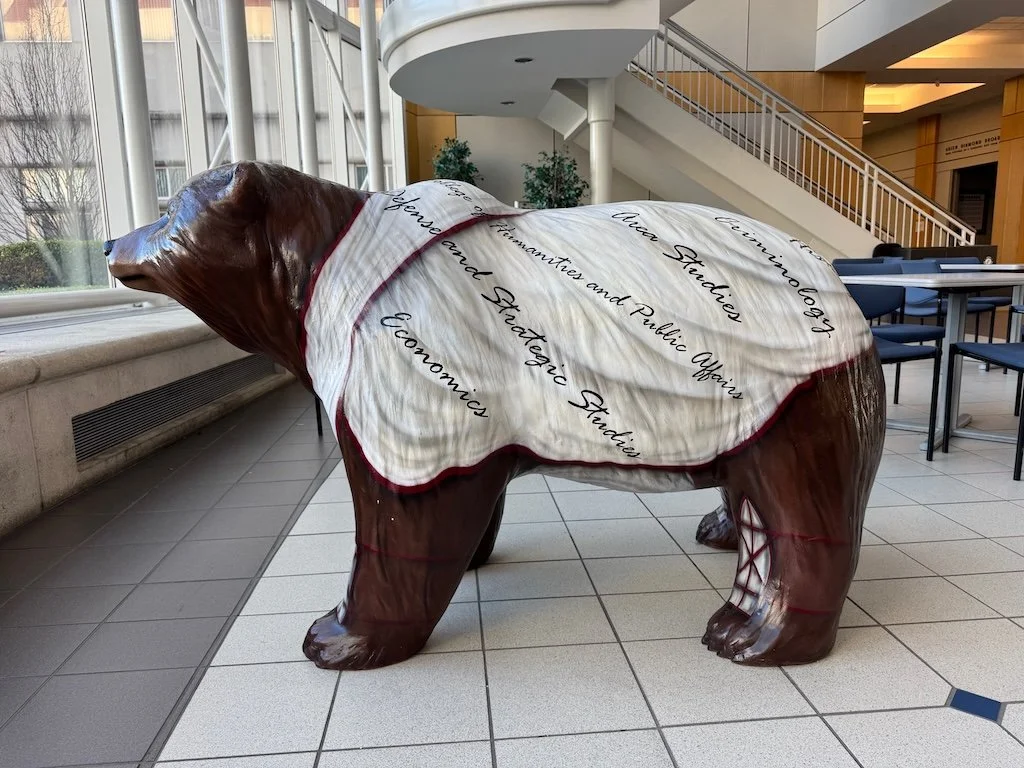
I  recorded a segment of the KSMU Growing the Ozarks podcast about Microplastics in the Environment. It was an adventure for me – going to the recording studio on the Missouri State University campus (taking some pictures as I waited in the foyer) and getting the recording acceptable on the first try thanks to my experienced interviewer.

During my travel to Lewisville TX, I noticed a lot of plastic at the hotel’s breakfast service…and used the survey from the hotel afterward to indicate my concern about Styrofoam plates and plastic utensils with hot food. I had stayed at the same brand/chain in St. Joseph MO and they had used ceramic plates and stainless utensils. The General Manager of the hotel responded: “We truly appreciate your suggestions about reducing single-use plastics and will share them with our leadership team for consideration.” I stay at the same hotel every month when I visit my dad so I will know if they make changes.

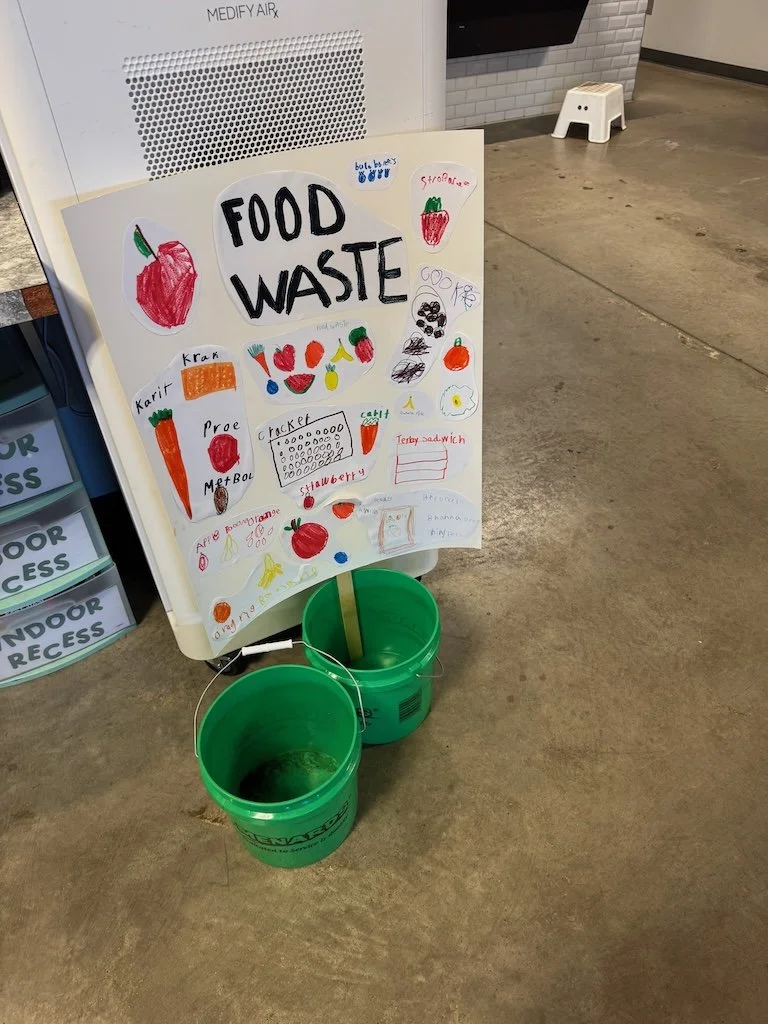
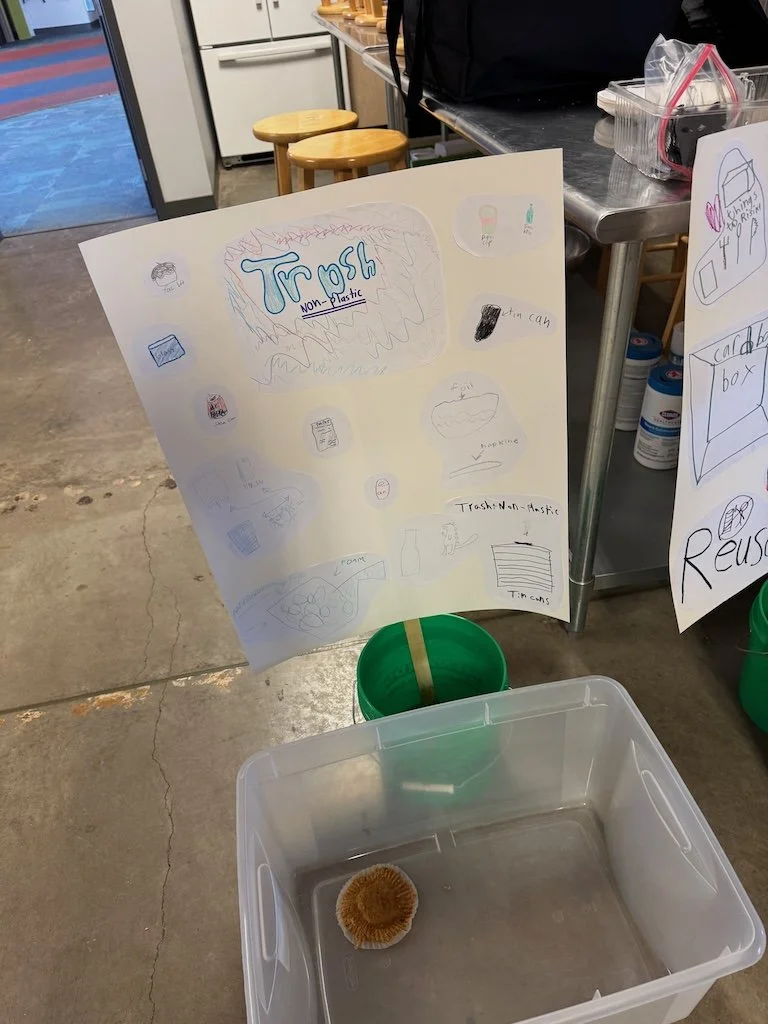
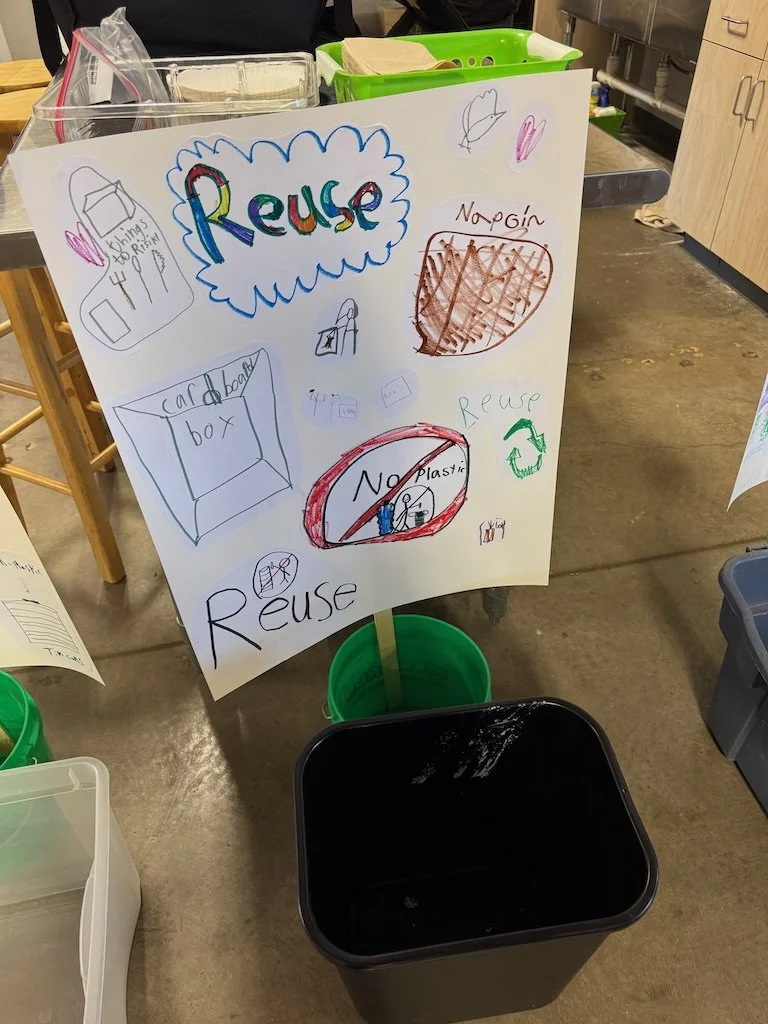
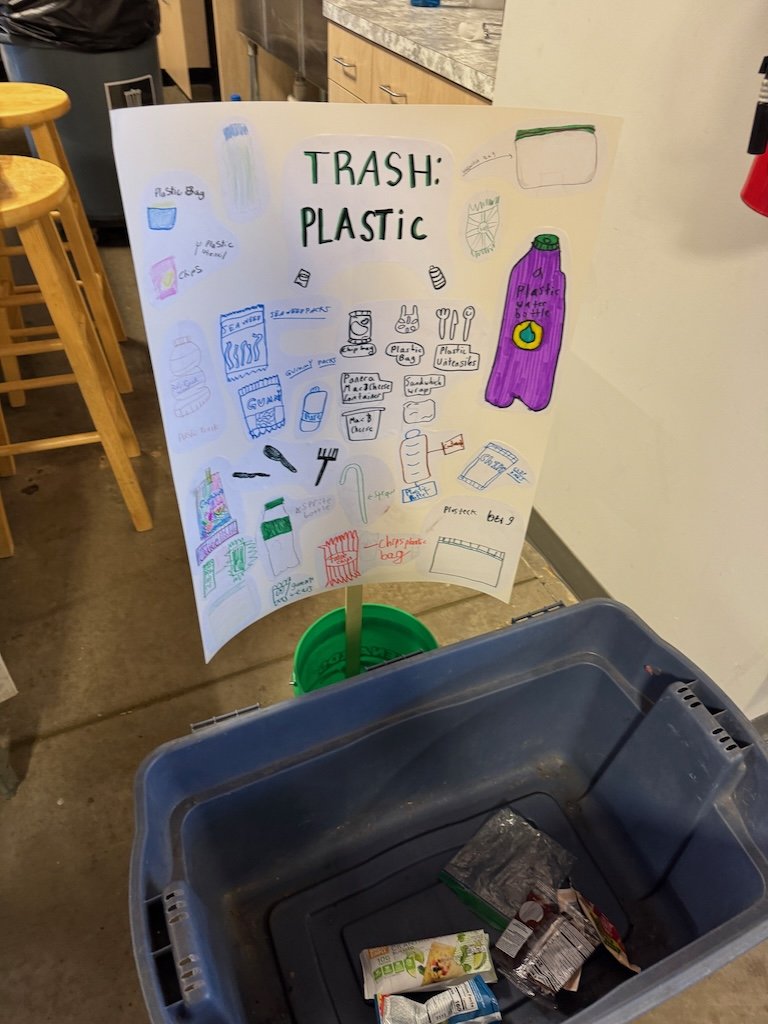
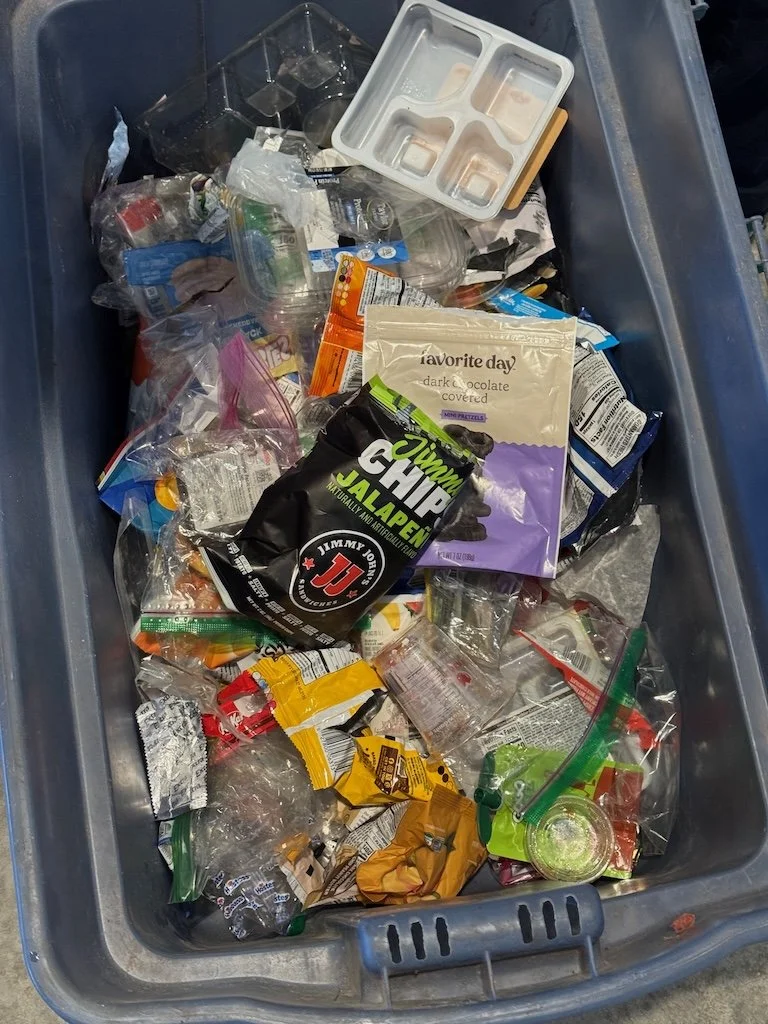
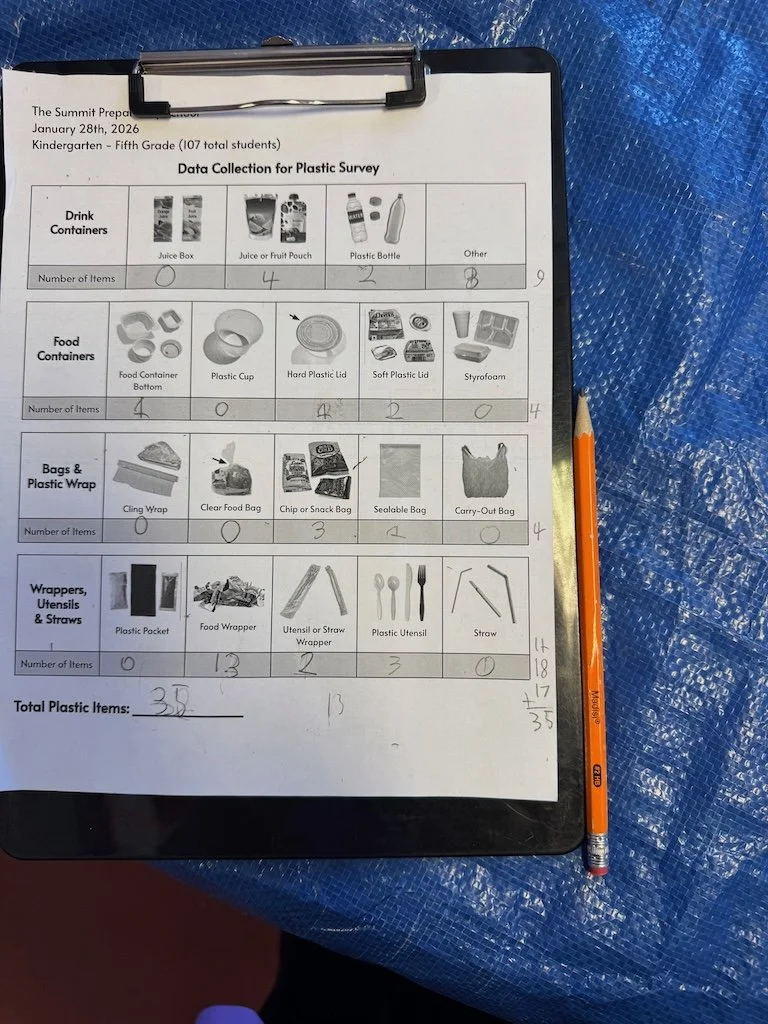
I helped with a lunch trash audit at a private school in Springfield organized by the Show-me less plastic project. The teacher was a fellow Missouri Master Naturalist and had done a great job preparing for the event – having the elementary students make posters for the initial sorting: food waste, non-plastic trash, reuse, and plastic trash. After their lunch the students put their trash in the correct bin.

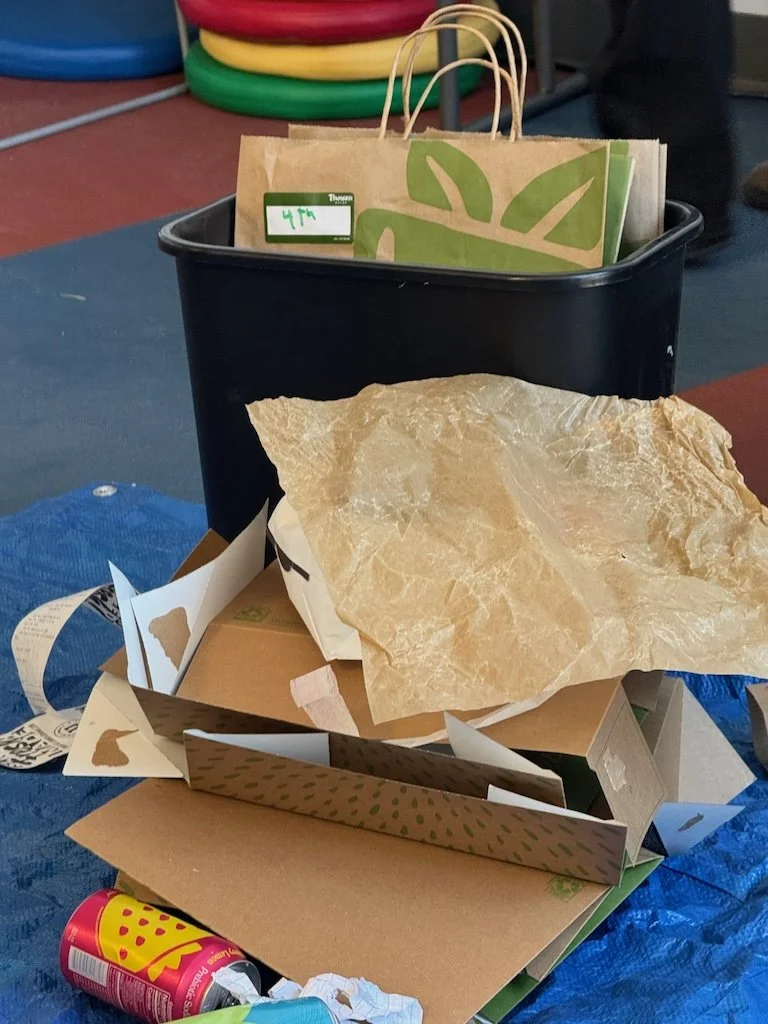
We (the adults) moved to a classroom with tarps over tables and on the floor which would be used for sorting by students over 3 class periods. The third and fourth graders divided into 4 groups and used the tarp covered table for the non-plastic  and plastic trash respectively while the second graders used the floor tarp to sort reuse/recycle.

The sorting of the plastic trash was the most thorough – with a worksheet for each group to categorize pieces of trash as they counted. Some of it was quite small!  

The next action the school is considering is to do a plastic free lunch!

In looking back at January, I am wondering if there will be as much every month or whether January unusual. This type of volunteering has components that are new to me; my strategy is to let it develop rather than try too hard to determine its direction!

Gleanings of the Week Ending January 24, 2026

The items below were ‘the cream’ of the articles and websites I found this past week. Click on the light green text to look at the article.

1/3/2026 The Scientist Polio Vaccine History: The Shot That Saved Millions - On April 12, 1955, when the Salk polio vaccine was declared “safe and effective,” church bells rang out, kids were let out of school, and headlines around the world celebrated the victory over polio. When asked whether he was going to patent the vaccine, Salk told journalist Edward R. Murrow it belonged to the people and would be like “patenting the sun.”

1/8/2026 Smithsonian Magazine Hundreds of Flowering Species Bloomed Across Britain and Ireland Last Winter - Citizen scientists in the British Isles documented more than 300 native plant species blooming in early 2025, a phenomenon likely caused by climate change. While it’s lovely to see so many wildflowers in bloom … it’s also a sad reflection of the way our climate is changing and the knock-on effects this might have for all the wildlife—bees and other pollinators, butterflies and all the larger creatures further up the food chain—that depend on plants. If flowering times are increasingly out of sync with insect hatching times, the consequences could be very serious.

1/8/206 People in Brazil are living past 110 and scientists want to know why – Brazil’s highly diverse population harbors millions of genetic variants missing from standard datasets, including rare changes linked to immune strength and cellular maintenance. Brazilian supercentenarians often remain mentally sharp, survive serious infections, and come from families where multiple members live past 100. Together, they reveal aging not as inevitable decline, but as a form of biological resilience.

1/7/2026 The Conversation Surprising number of foods contain microplastics. Here’s how to reduce the amount you consume - While eliminating plastics entirely from our diets may be impossible, making these swaps should help to reduce your exposure.

1/6/2026 Nature Defossilize our chemical world - Achieving net zero means eliminating fossil fuels, not carbon — the chemical element has a crucial part to play in powering the modern world. Defossilization means finding sustainable ways to make carbon-based chemicals. Alternative sources of carbon include the atmosphere and plants, as well as carbon in existing biological or industrial waste, such as used plastics or agricultural residue. In some cases, these chemicals will eventually return carbon dioxide to the atmosphere through burning or biodegradation. In principle, this will occur as part of a circular process, rather than one that has added greenhouse gases.

1/5/2026 Planetizen The Child Population in These Cities is Dropping Fast - The proportion of young children in western U.S. metros is falling faster than in other parts of the country. Lower birth rates can sometimes ease immediate pressure on housing and schools but also lead to challenges in supporting economic growth and elder care, as the ratio of working adults to retirees declines.

1/4/2026 Washington Post What we learned about microplastics in 2025 - For many scientists, 2025 was the year of microplastics. It’s only in the past year or so that we have begun to understand that the tiny plastics — including some that are impossible to see with the naked eye — are in our bodies and food as well.

1/9/2026 Science Alert Study Finds Microplastics Are Widespread in Popular Seafoods - In the Pacific Northwest – a region of North America renowned for its seafood – researchers have found particles from our waste and pollution swimming in the edible tissue of just about every fish and shellfish they collected.

12/18/2025 Yale Environment 360 After Ruining a Treasured Water Resource, Iran Is Drying Up - Iran is looking to relocate the nation’s capital because of severe water shortages that make Tehran unsustainable. Experts say the crisis was caused by years of ill-conceived dam projects and overpumping that destroyed a centuries-old system for tapping underground reserves. 

1/8/2026 BBC The animals saved in Greece's ancient accidental 'arks' - Shielded from development and agriculture, many archaeological sites have now become inadvertent safe harbors for plants and animals. In Italy, rare orchids flower around an Etruscan necropolis. In the ancient Greek religious centre of Delphi, researchers found what they believe is a new species of snail – just 2mm (0.08in) long – suspected to live only in that area. In recent years, two new species of lizard were identified in Machu Picchu that may have once had a wider range and today enjoy the relatively undisturbed conditions of the ancient sanctuary. To better understand the connection between historical sites and nature, in 2022 the Greek government launched the Biodiversity in Archaeological Sites research project. Over two years, 49 specialists in all kinds of plants and animals surveyed 20 archaeological sites that spanned Greek history. 

Plastics Crisis – The Personal Economics of Less Plastics

I’ve been making changes over the past months to reduce plastic around my house enough that I am now thinking about the benefits we are observing.

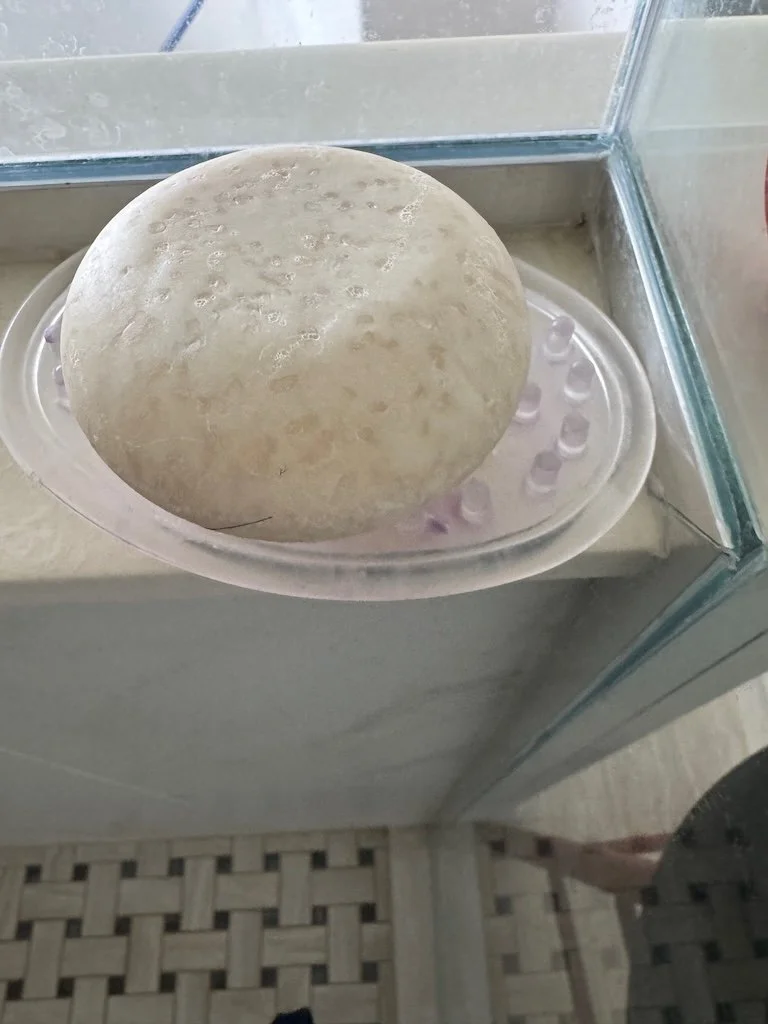
Our transition to bar soaps for showers and hand-washing costs less than the myriad of plastic bottled products…and both my husband and I have noticed skin improvements (less itching, less dry skin).

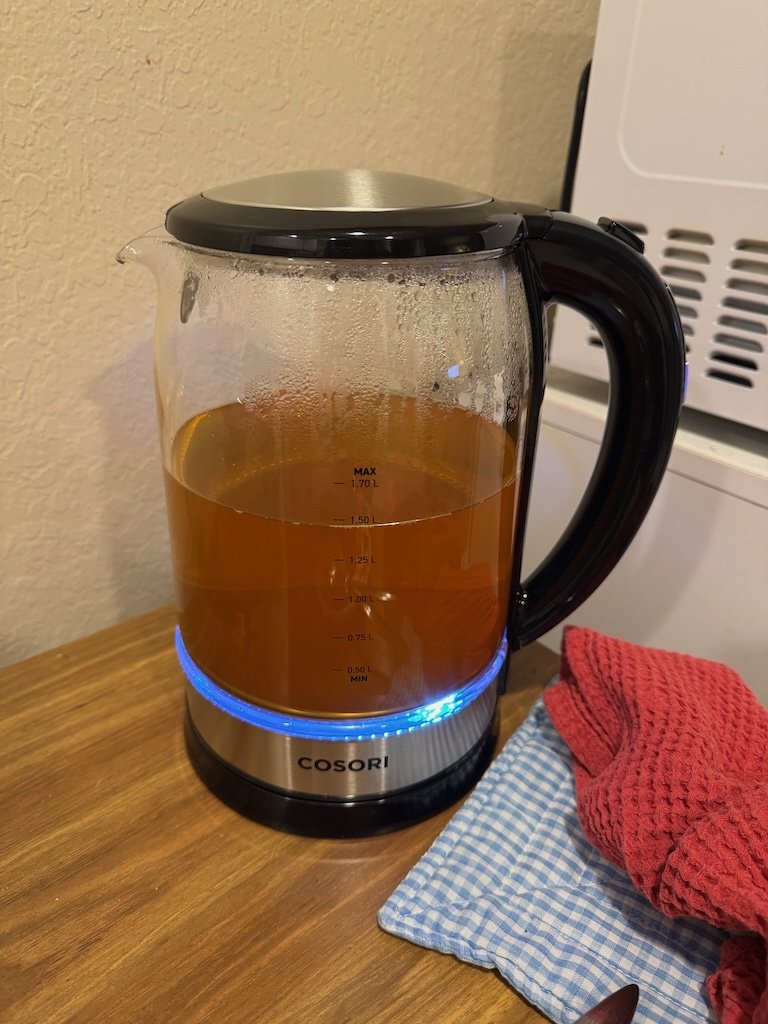
My electric tea kettle (only glass or stainless surfaces touching the water) is better than I imaged it would be – much better for making tea than the old coffee maker (that had a lot of plastic parts). I discovered that our water has enough minerals that the tea kettle developed scale quickly; putting a little lemon juice in the water (i.e. acid) solved the problem. I am using tea bags that are supposedly free of plastic glue but am considering cutting them open and using the tea leaves only. The tea makes it easier for me to cut back on soft drinks too! From a cost standpoint it is about the same as buying a new coffee maker.

I replaced all my plastic leftover and storage containers for food with glass (even though they have plastic lids….I don’t overfill the containers so that food never touches the plastic). The food is preserved as well as before and I find myself also using the containers for some items I previously put in Ziplocs (i.e. plastic) – like cranberries I am freezing and carrots I am taking with me for snacks on road trips. When I can’t buy a veggie except in a plastic bag (like carrots), I am starting to put them in a glass container when I get home from the store with the idea that the longer the carrots are in the plastic bag, the more microplastics they have on/in them. I also like that the glass dries better in my dishwasher!

The Rorra water filter is working well for us. We use it for drinking and cooking and the water fountain for the cats. There is no reason for us to buy bottled water any more. Of course – the Rorra and replacement filters cost something, but we are comfortable with our water at this point.

We replaced the type of humidifier we had with ones that use evaporation rather than creating a mist. This winter our house has about the same humidity level but without the white dust (and microplastics) the mist humidifiers created. Our air purifiers rarely go into ‘high’ mode now whereas last year they did any time we had them on near a humidifier.

Even though I have cut back on soft drinks, I still drink them occasionally….but they are in cans rather than plastic bottles. We have very few plastic bottles in our recycle. We have stopped putting some plastics in recycle even though our curbside service accepts them since we are aware that the materials rarely get recycled; even the milk and soft drink bottles/jugs (which are the most frequently recycled plastics) often end up in landfills…so it is good that we simply buy less in those containers these days.

I have stopped buying salad dressing since it is almost always in a plastic bottle. I am making my own. My favorite right now is a lemon ginger vinaigrette! It costs less and I make only what I need at the time.

I am going to start buying olive oil in glass rather than plastic as soon as I use up what I have. It will be more expensive, but I use it slowly, so I don’t need to buy a large container. I might have to buy it somewhere other than my usual grocery store just as I do my lemon juice(in a glass bottle).

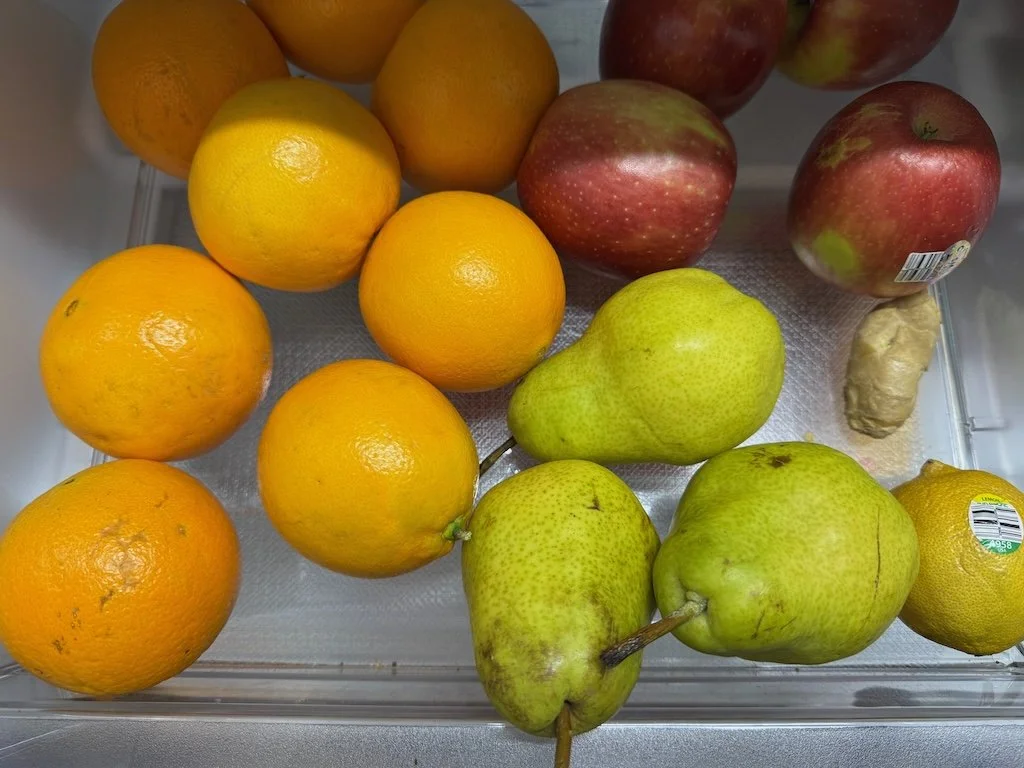
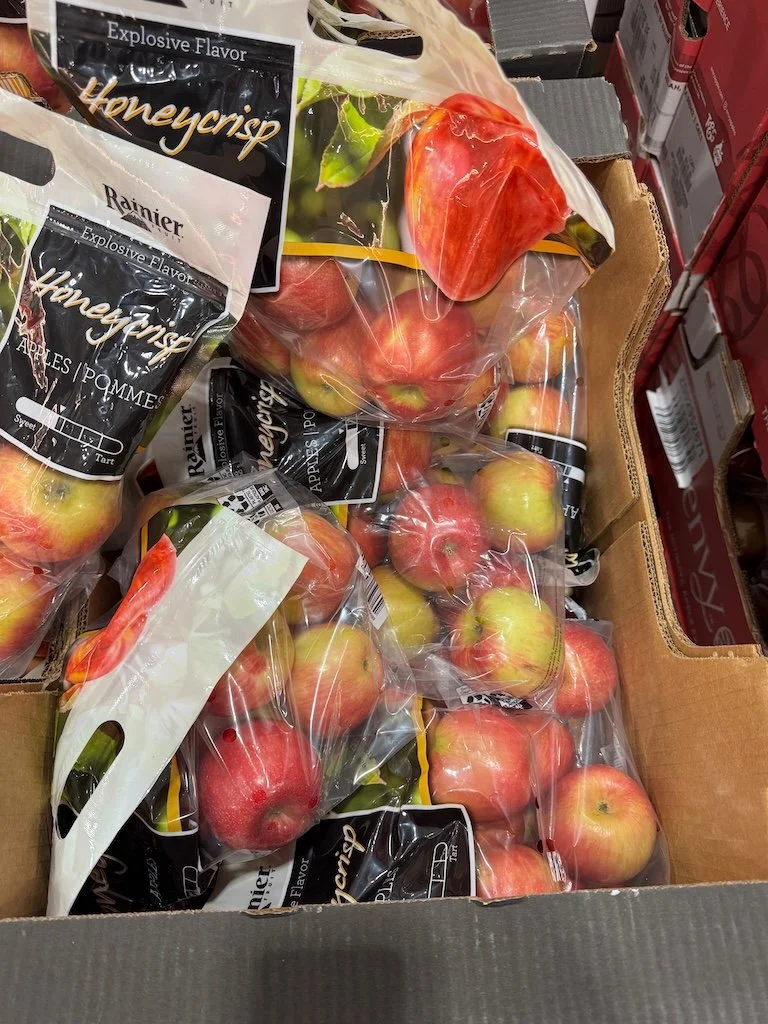
I am buying fruits and veggies that are not packaged when I can - which means that I don’t buy arugula like before. I skew toward cabbage and squash and peppers and cucumbers and broccoli. In the summer I’ll eat violet leaves from my yard! The apples and pears and lemons I buy are not packaged; I do buy organic oranges in a mesh bag because that is the only way they come (and I give my daughter half of them). I take them out of the packaging as soon as I get them home.

In summary – I’ve made some investments (Rorra, glass containers, tea kettle, humidifier, a ladle to replace a plastic one) that are working well for us. They were not too expensive, and they will last a long time. On a week-to-week basis – costs have probably gone down buy a little – no plastic water bottles of water, body wash, or hand soap…and less soft drinks overall.

Gleanings of the Week Ending January 17, 2026

The items below were ‘the cream’ of the articles and websites I found this past week. Click on the light green text to look at the article.

12/28/2025 SciTechDaily Microplastics Burrow into Blood Vessels and Fuel Heart Disease - New research led by biomedical scientists at the University of California, Riverside suggests that routine contact with microplastics — tiny particles released from packaging, clothing, and many plastic products — may speed up atherosclerosis, a condition in which arteries become clogged and can lead to heart attacks and strokes. The team studied LDLR-deficient mice, which are genetically prone to developing atherosclerosis. Both male and female mice were fed a low-fat, low-cholesterol diet comparable to what a lean and healthy person might consume. Over a nine-week period, the mice received daily doses of microplastics (10 milligrams per kilogram of body weight). These exposure levels were chosen to reflect amounts considered environmentally relevant and similar to what humans could encounter through contaminated food and water.

1/1/2026 ScienceDaily This 100-year-old teaching method is beating modern preschools - Public Montessori preschool students enter kindergarten with stronger reading, memory, and executive function skills than their peers. These gains don’t fade — they grow over time, bucking a long-standing trend in early education research. Even better, Montessori programs cost about $13,000 less per child than traditional preschool. (My daughter went to a private Montessori school for preschool-kindergarten…she enjoyed it and did very well in her subsequent education/career so I am not surprised by the results of this national trial.)

12/31/2025 Archaeology Magazine Bones of Chaco Canyon’s Imported Parrots Reexamined – A reexamination of more than 2,400 parrot bones unearthed at Chaco Canyon suggests that most of the macaws and parrots that were kept by ancient Puebloans were likely restricted to the large, multistory buildings known as great houses, where they lived in heated rooms with plastered walls.

12/31/2025 ScienceDaily Microplastics are leaking invisible chemical clouds into water - Microplastics in rivers, lakes, and oceans aren’t just drifting debris—they’re constantly leaking invisible clouds of chemicals into the water. New research shows that sunlight drives this process, causing different plastics to release distinct and evolving mixtures of dissolved organic compounds as they weather. These chemical plumes are surprisingly complex, often richer and more biologically active than natural organic matter, and include additives, broken polymer fragments, and oxidized molecules. Understanding how these chemicals evolve across different stages of plastic breakdown will be essential for assessing their long-term environmental impact.

1/2/2026 National Parks Traveler A Day in the Park: Assateague Island National Seashore – This was a great get away from where we lived in Maryland until recently. We’d cross the Bay Bridge, visit Blackwater National Wildlife Refuge and then be at Chincoteague and Assateague Island National Seashore after that.

1/2/2026 The New York Times A Study Is Retracted, Renewing Concerns About the Weedkiller Roundup - In 2000, a landmark study claimed to set the record straight on glyphosate, a contentious weedkiller used on hundreds of millions of acres of farmland. The paper found that the chemical, the active ingredient in Roundup, wasn’t a human health risk despite evidence of a cancer link. Last month, the study was retracted by the scientific journal that published it a quarter century ago, setting off a crisis of confidence in the science behind a weedkiller that has become the backbone of American food production.

1/2/2026 Smithsonian Magazine When the Bayeaux Tapestry Makes its Historic Return to England - Created in the 11th century, the delicate, 230-foot-long embroidered textile has been in France since 1077.

12/30/2025 YaleEnvironment360 2025 Was Another Exceptionally Hot Year - 2025 was the second hottest on record, surpassed only by 2024. It continues a recent trend of exceptional, unexplained warming. The last three years have been, by a wide margin, the hottest ever recorded. The recent jump in warming, which exceeded the predictions of climate models.

12/21/2025 My Modern Met Photographer Explores the Rich Complexity of Africa’s Great Rift – Photography of a place --- and an interview with the photographer.

12/17/2025 Washington Post These kitchen items may be contaminating your food with chemicals - Plastic ushered in a new era of convenience and filled homes with cheap, disposable goods. But it also has exposed ordinary people to tens of thousands of chemicals that slip out of those items into household dust, food, water — and from there, into bodies. Some of these chemicals are known to disrupt pregnancies, triggering birth defects and fertility problems later in life; others have been linked to cancer and developmental problems. “The problem is, none of the plastics that we have right now are safe,” said Wagner, of Norwegian University of Science and Technology. “That’s not a very nice thing to hear, but that’s what the data tell us.”
12/15/2025 Nature The best science images of 2025 — Nature’s picks – Educational and beautiful at the same time.

Plastics Crisis – Healthy Food in Unhealthy Packaging

Plastic dominates packing in the grocery stores – even in the produce section.

 In the store where I shop, more than half the produce items are in plastic – either clamshell (more rigid plastic) or flexible bags. Neither type of plastic is recycled effectively. It’s impossible to buy leafy greens or grapes or carrots or mushrooms, or celery or blueberries…the list goes on and on…in the store where I usually shop without the plastic! Usually there are potatoes, squash, broccoli, cabbage, kale, bell peppers, cucumbers, apples, pears, lemons, and oranges from bins where I can use my own bags or keep them unbagged…but none of them are the organic versions. I am beginning to wonder whether organic is worth it with all the plastic around those foods (and maybe used during production to control weeds). Right now, I am skewing toward the food with the least packaging (or no packaging). If I do buy something in plastic packaging, I take it out of that packaging as soon as I get it home!

I’ve started buying eggs in a pulp paper carton (even though they are more expensive) rather than the Styrofoam cartons; not sure why the producers are using Styrofoam since it isn’t a healthy material and does not protect the eggs from breakage very well either.

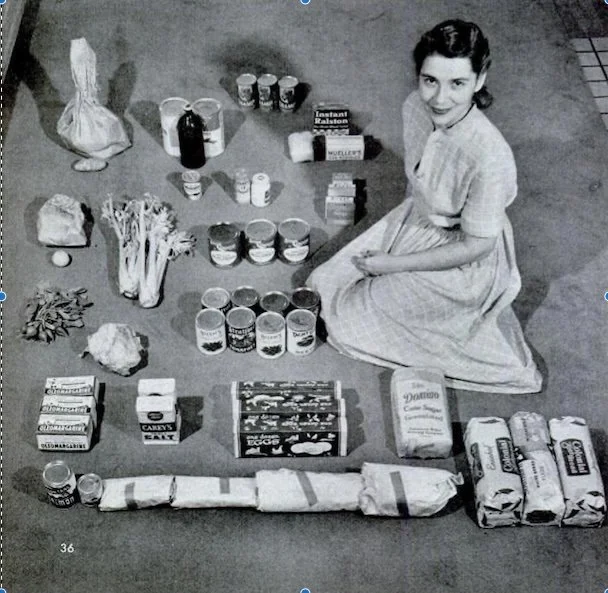
The picture below is from Life Magazine from November 10, 1947. The groceries in the picture fed a family of 4 (parents and 4-year-old twins) plus their cat. There might not be any plastic in the picture! The meat and bread appear to the wrapped in paper. The eggs are in boxes and there are canned goods. There isn’t much produce (celery, lettuce, radishes, onions, potatoes); the potatoes and onions are in paper bags and the rest is unwrapped.
I’m not advocating reverting to the 1940s – but we should revie the history of food packaging now that we are understanding the downsides of its single-use design that results in environmental contamination. No one wants to be full of plastic and the associated health challenges.
Gleanings of the Week Ending January 03, 2026

The items below were ‘the cream’ of the articles and websites I found this past week. Click on the light green text to look at the article. (Note: I have changed the format to include the date and source of the article.)
9/15/2025 NIH National Library of Medicine Microplastics in Drinking Water: A Review of Sources, Removal, Detection, Occurrence, and Potential Risks - Microplastics in drinking water systems exhibit multi-source input characteristics, originating from environmental infiltration into water sources; leaching from materials in water distribution systems; migration from bottled water packaging interfaces; and re-release during water treatment processes. The potential hazards of MPs remain a critical concern. Future work needs to integrate research from environmental science, toxicology, and public health to clarify the dose–effect relationships of MPs, improve risk assessment systems, and promote technological innovation and policy regulation to effectively ensure drinking water safety and public health.

12/21/2025 Plantizen Winter Road Salt is Making Waterways Toxic to Wildlife - Salt used to keep roadways free of ice and snow is accumulating in waterways, causing dangerously high salinity levels in water bodies in Pennsylvania, New Jersey, and Delaware - well above the healthy accepted drinking water standard for people on a low-salt diet.

12/22/2025 ScienceDaily This fish-inspired filter removes over 99% of microplastics - Washing machines release massive amounts of microplastics into the environment, mostly from worn clothing fibers. Researchers have developed a new, fish-inspired filter that removes over 99% of these particles without clogging. The design mimics the funnel-shaped gill system used by filter-feeding fish, allowing fibers to roll away instead of blocking the filter. The low-cost, patent-pending solution could soon be built directly into future washing machines.

12/24/2025 The Prairie Ecologist Photos of the Year – From Chris Helzer: “Well, we’ve almost made it through 2025. To say it has been an eventful year seems like a massive understatement. As I’m sure is true for many of you, I tried to manage stress and anxiety by spending time in nature – exploring with curiosity and wonder and giving myself a break from the rest of the world for a little while. It helped.”

12/24/2025 ScienceDaily Scientists reverse Alzheimer’s in mice and restore memory - The damaged brain can, under some conditions, repair itself and regain function. )ne drug-based way to accomplish this in animal models in the study, and also identified candidate proteins in the human AD brain that may relate to the ability to reverse AD and opens the door to additional studies and eventual testing in people. The technology is currently being commercialized by Glengary Brain Health, a Cleveland-based company.

12/22/2025 The Conversation Everyday chemicals, global consequences: How disinfectants contribute to antimicrobial resistance - During the COVID-19 pandemic, disinfectants became our shield. Hand sanitizers, disinfectant wipes and antimicrobial sprays became part of daily life. They made us feel safe. Today, they are still everywhere: in homes, hospitals and public spaces. But….The chemicals we trust to protect us may also inadvertently help microbes evolve resistance and protect themselves against antibiotics.

10/14/2025 All about Vision How microplastics affect your eyes, and what you can do - Microplastics don't go away. They just get smaller and smaller over time. They can come from everyday things like bottles, tires, fabrics and personal care products. Studies have found microplastics on and even inside people's eyes.

12/25/2025 BBC The best nature photography of 2025 - From the depths of the oceans to deserts, mountains and the remote Amazon, this year's most extraordinary nature photography brings us glimpses of the diversity and awe of the natural world. This year we meet acrobatic gorillas, maritime lions and grinning bears. 

12/22/2025 Smithsonian Magazine This Mama Polar Bear Adopted a Young Cub - The bears need all the help they can get these days with climate change. If females have the opportunity to pick up another cub and care for it and successfully wean it, it’s a good thing for bears in Churchill.

12/19/2026 Artnet Inside the 6,000-Year-Old Underground Temple Where the Walls Literally Sing - Ħal Saflieni Hypogeum, an ancient, underground burial complex on the Mediterranean island of Malta. Built around 4,000 B.C.E. this subterranean burial ground amplifies sound at a soothing frequency.

Gleanings of the Week Ending December 27, 2025

The items below were ‘the cream’ of the articles and websites I found this past week. Click on the light green text to look at the article. (Note: I have changed the format to include the date and source of the article.)

12/4/2025 American College of Emergency Physicians Opinion: Physicians Must Reduce Plastic Waste - Waste audits in the emergency departments (EDs) of Kent Hospital in Warwick, Rhode Island, and Mass General Hospital in Boston found that four pounds of waste is generated per patient, per encounter, and about 60 percent of the waste is plastic…. If we consider our plastic footprint with everything we are doing, we can adjust our habits to give our patients and our world healthier care.

11/19/2025 Consumer Reports Consumer Reports announces winners of its Microplastics Detection Challenge - Contest challenged participants to develop simple and inexpensive at-home tests to enable people to detect microplastics in their food. 

12/12/2025 Yale Environment 360 Dozens of Countries See Their Economy Grow as Emissions Fall - Historically, more industry meant burning more fossil fuels. But renewable energy has made it possible to generate more wealth without producing more emissions. The U.S. and most of Europe, have completely decoupled growth from emissions over the last decade. Fortunes rose, while emissions fell. Together, these countries account for 46 percent of the global economy.

12/12/2025 Science Daily Scientists find dark chocolate ingredient that slows aging - Scientists have uncovered a surprising link between dark chocolate and slower aging. A natural cocoa compound called theobromine was found in higher levels among people who appeared biologically younger than their real age.

12/11/2025 Clean Technica Drones, Diesel, & Policy: Two Countries, Two Agricultural Futures - China’s rapid adoption of agricultural drones is one of the most interesting examples of technological divergence between two major food producers. The contrast is striking. Chinese pilots are now treating an amount of land with drones each year that is larger than the total farmland base, which means multiple drone passes on the same fields to handle weeds, pests, fertilizer and sometimes seeding. At the same time, the United States is advancing a policy coalition that targets DJI with composite national security concerns and proposes to ban the most widely used spray drones in the country. This fight matters because the ban would remove the only cost effective and widely deployed option for seeding and spraying. It would also shut down a path for lower diesel use and lower chemical demand in a sector that does not have many easy ways to cut operating costs.

12/11/2025 Smithsonian Magazine Gas Stoves Are Poisoning Americans by Releasing Toxic Fumes Associated with Asthma and Lung Cancer - A new study, published this month in the journal PNAS Nexus, suggests that gas stoves are the main source of indoor nitrogen dioxide pollution in the United States, responsible for more than half of some Americans’ total exposure to the gas. The gas can irritate airways and worsen or even contribute to the development of respiratory diseases like asthma. Children and older individuals are particularly susceptible to its effects.

12/7/2025 Cool Green Science Family, Survival and Change: The Secret Life of the Red-cockaded Woodpecker - In the heart of the longleaf pine forests of the southern United States, a quiet drama plays out each spring. Inside tiny nest cavities high into pines, red-cockaded woodpecker (RCW) parents work tirelessly to feed their chicks. They live in family groups where everyone, even older offspring, helps care for the young. That’s what makes them special; they’re cooperative breeders, families bound not just by instinct, but by teamwork. These woodpeckers remind us that recovery isn’t just about numbers. It’s about understanding the subtle, interconnected forces that make life possible in the first place. 

11/30/2025 The Conversation 56 million years ago, the Earth suddenly heated up – and many plants stopped working properly - Plants can help regulate the climate through a process known as carbon sequestration. However, abrupt global warming may temporarily impact this regulating function. What happened on Earth 56 million years ago highlights the need to understand biological systems’ capacity to keep pace with rapid climate changes and maintain efficient carbon sequestration.

12/8/2025 The Planetary Society The year in pictures 2025 - This collection of images, going as far back as late November 2024, captures some of the highlights of humanity’s exploration of space over the past year.

11/6/2025 The Scientist What Happens When a Fly Lands on Your Food? - How many microbes does a single fly typically carry? How many microbes does it take to get people sick?

Plastics Crisis – Rorra Countertop Water Filtration System

After reading a lot about municipal water quality, I realized that the water filtration I have been using the past few years (Brita Elite) was not good enough. Yes, the filters claimed to remove some microplastics (I guess they would be considered ‘Particulates (Class 1)’, but I was unclear what testing had been done on the filter). Then there were the issues of the filter housing (plastic) and the pitcher it was installed in (plastic). I started looking for possible upgrades.

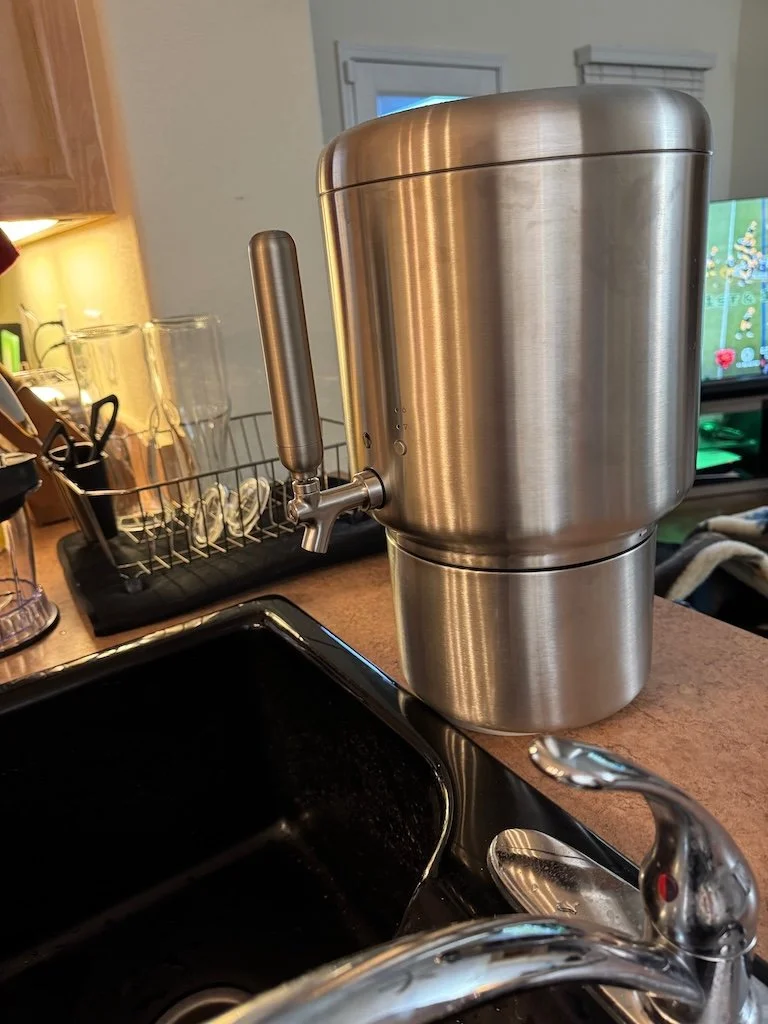
I opted to replace my Brita pitchers with a Rorra Countertop Water Filtration System. It is a 2.5-gallon countertop unit that has stainless-steel parts. I bought the unit along with a filter subscription since it will probably need a new filter every 90 days. The company has results from NSF and NSF/ANSI accredited testing showing that system reduces over 50+ contaminants including Total PFAS, Lead, Microplastics, and Estrone. It is engineered and manufactured in the US.

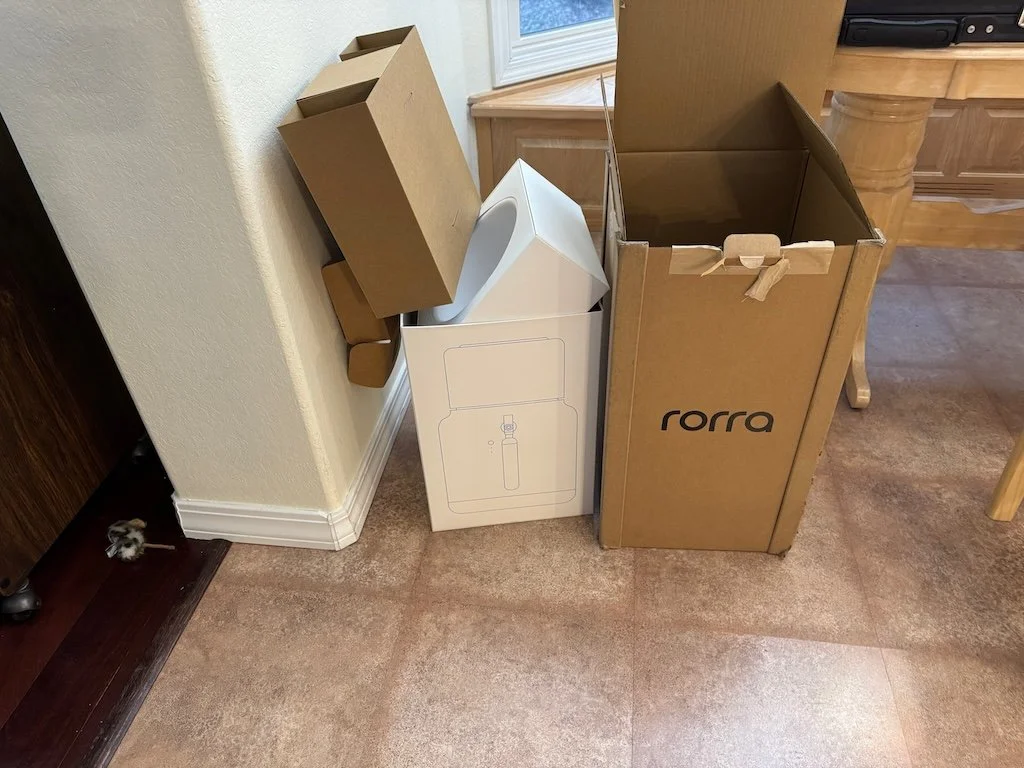
The set up was relatively easy once I got it out of the box! There were an outer box and several inner boxes. I am still working to segregate the recyclable parts from the (relatively small) amount that is not cardboard. They recommended washing all the parts with soapy water which was a little daunting because of the size (like a large mixing bowl). I had to watch the video a couple of times about how to get the filter in properly but – in the end – it was easy.

I have enjoyed the Rorra so far although I am thinking about moving it to another location around the sink, so I don’t have to reach all the way over the sink to fill it from the top. I have carafes that I am using to put water in the refrigerator and to carry downstairs for use for tea in my office. I also use the carafes to fill the reservoir as needed. The spigot is very convenient!

Looking back, I am glad I started filtering our drinking water several years ago. The water supply to our house is from our municipality and it is hard to address the potential of plastic water pipes in our city, community, and house (they probably would shed more microplastics they older they are)…or the microplastics that come from the source of water to our city (wells). Now – with the Rorra – we are upgrading that filtering. It is an investment for our long-term health – not eliminating microplastics (since there are so many other sources of microplastics in our environment) but a dramatic reduction in this one source is a good thing.

Gleanings of the Week Ending December 20, 2025

The items below were ‘the cream’ of the articles and websites I found this past week. Click on the light green text to look at the article. (Note: I have changed the format to include the date and source of the article.)

11/30/2025 NPR  More cities are seeing PFAS pollution in drinking water. Here's what Louisville found - What we do is manage risk, and we start that at the river. It sounds weird, but source water protection – keeping the stuff out of the river – is a big deal.

11/25/2025 Artnet Radiant Tiffany Landscape Window Leads Major Auction of the Studio’s Masterpieces – Beautiful glass…there are some coming to auction in December. I enjoyed the pictures in the article.

12/2/2025 Washington Post ‘Everywhere chemicals’ are in our food, decades after scientists recognized dangers - A large body of science has linked phthalates to a variety of serious health conditions, including premature birth and infertility. The costs to society are huge. A 2024 NYU-led study that catalogued health effects from phthalates exposure in the United States — including contributions to diabetes levels and infertility — estimated that dealing with phthalate-related diseases cost $66.7 billion in a single year. Previous Washington Post article on phthalates from last September: The health risks from plastics almost nobody knows about.

12/2/2025 Science Daily Is your gut being poisoned? Scientists reveal the hidden impact of everyday chemicals - Many chemicals designed to act only on one type of target, say insects or fungi, also affect gut bacteria. Some of these chemicals had strong effects. For example, many industrial chemicals like flame retardants and plasticizers -- that we are regularly in contact with -- weren't thought to affect living organisms at all, but they do.

12/7/2025 Clean Technica Your Single-Use Plastic Bottles Are Killing Endangered Sea Turtles - A recent study published in Proceedings of the National Academy of Sciences concludes that plastic ingestion has been documented in nearly 1,300 marine species, including every seabird family, marine mammal family, and sea turtle species. Researchers analyzed data from more than 10,000 autopsies from marine creatures killed by ingesting plastic; they calculated amounts consistent with a 90% likelihood of death:

  • 23 pieces (0.098 cm3/cm) in seabirds;

  • 29 pieces (39.89 cm3/cm) in marine mammals: and,

  • 405 pieces (5.52 cm3/cm) in sea turtles (377 for juveniles).

12/2025 Greenpeace Plastic Merchants of Myth: Circular Claims Fall - After decades of meager investments accompanied by misleading claims and a very well-funded industry public relations campaign aimed at persuading people that recycling can make plastic use sustainable, plastic recycling remains a failed enterprise that is economically and technically unviable and environmentally unjustifiable. (Press release for the document)

12/8/2025 The Conversation PFAS in pregnant women’s drinking water puts their babies at higher risk – Data on all births in New Hampshire from 2010-2019 were analyzed. The 11.5 thousand births that occurred within 3.1 miles of a site known to be contaminated with PFAS and where mothers were served by public water system (well based) were selected for further analysis. PFAS was greater in the water system wells downstream from the site. Births in the area served by wells downstream were 43% more likely to be low-weigh (under 5.5 pounds), 20% greater chance of preterm birth, and 191% greater chance of the infant not surviving its first year. Research was done at University of Arizona.

12/8/2025 Science Daily Humans are built for nature not modern life - Human biology evolved for a world of movement, nature, and short bursts of stress—not the constant pressure of modern life. Industrial environments overstimulate our stress systems and erode both health and reproduction. Evidence ranging from global fertility declines to chronic inflammatory diseases shows the toll of this mismatch.

12/7/2025 Clean Technica The Floating Solar Revolution - Despite this year’s sharp U-turn in federal energy policy, the renewable energy transition continues to branch out in new directions. One emerging factor is the relatively new area of floating solar. The field has already begun to scale up in some regions around the world, and innovative solar firms are carving out new opportunities here in the US as well.

12/7/2025 Science Daily New moonquake discovery could change NASA’s Moon plan - Scientists have discovered that moonquakes, not meteoroids, are responsible for shifting terrain near the Apollo 17 landing site. Their analysis points to a still-active fault that has been generating quakes for millions of years. While the danger to short missions is low, long-term lunar bases could face increasing risk. The findings urge future planners to avoid building near scarps and to prioritize new seismic instruments.

Gleanings of the Week Ending December 13, 2025

The items below were ‘the cream’ of the articles and websites I found this past week. Click on the light green text to look at the article.

How extreme weather is making plastic pollution more mobile, more persistent and more hazardous - Rising temperatures, humidity and sunlight break plastic down, making it brittle and cracked, accelerating its disintegration into tiny fragments. A 10-degree Celsius (18 Fahrenheit) rise in temperature during an extreme heat wave could double the rate at which plastic degrades. Extreme storms, flooding and wind also hasten the breakdown of plastic, mobilize it and spread it more widely. Flooding can also help forge “plastic rocks,” created when rocks and plastics form a chemical bond and merge together. These become hotspots for microplastic generation. Wildfires release microplastics and highly toxic compounds into the atmosphere. Global annual production of plastic increased 200-fold between 1950 and 2023 and is predicted to keep increasing as the world moves toward clean energy and oil companies shift investments to plastics.

YMCA: The Swan Song of SROs and the Birth of Modern Homelessness - Single room occupancy hotels played a central role in America’s affordable housing ecosystem for decades, providing cheap, flexible accommodations without government subsidy. They are effectively large-scale boarding houses, offering small private rooms or dorm-style quarters with shared bathrooms and minimal kitchen facilities. The YMCA was the nation’s largest SRO provider, with more than 100,000 units nationwide at its peak. SROs were far from ideal, but without this form of housing or any other low-cost option, homelessness was the inevitable result. It was just as Edith Elmer Wood feared back in 1919: Housing reform had created a housing famine.

Recycling Lead-Acid Batteries Has Significant Health Risks - What happens to the old ones when they are no longer serviceable? They get melted down to recover the lead in them, which can then be used to make new batteries. In the US, that work often gets outsourced to other countries. It’s a patchwork of shoddy factories in places like Ghana, Nigeria and Tanzania providing more lead for new car batteries….and where people die from lead poisoning. Car companies look the other way.

More Than 1,200 Marine Animal Species Eat Plastic. Ingesting Even a Tiny Amount Can Kill Them - Data from more than 10,000 marine animal autopsies. About half of the examined sea turtles, one-third of seabirds and one in eight marine mammals had plastics in their stomachs. The study didn’t examine other ways plastics can hurt wildlife, such as strangulation, malnutrition or toxic effects. It also didn’t look at the harms of tinier pieces of plastics—microplastics—which have been found in the deep ocean and can also affect marine life. Researchers say the best way to protect wildlife from plastic is to reduce the amount of it that enters the ocean, namely through local and national policy.

The Forgotten Roman Ruins of the ‘Pompeii of the Middle East’ – Jerash – ruins near Amman, the capital of Jordan and the country’s second most popular tourist destination after Petra. After spending more than a millennium covered by sand, Jerash has reclaimed its place as a cornerstone of both Western and Middle Eastern civilization.

Just ten species make up almost half the weight of all wild mammals on Earth – Deer and boars account for almost half the biomass of wild land animals.

New research reveals what’s really hiding in bottled water - Each sip may contain invisible microplastics that can slip through the body’s defenses and lodge in vital organs. These tiny pollutants are linked to inflammation, hormonal disruption, and even neurological damage, yet remain dangerously understudied. “People need to understand that the issue is not acute toxicity -- it is chronic toxicity.”

Beavers are Dam Good for Biodiversity, Bringing Bats, Butterflies and Other Critters to Their Neighborhoods - Beavers are famous for being ecosystem engineers, capable of transforming once-dry landscapes into lush, green wetlands that support many other land- and water-dwelling species. Now, two new studies suggest these benefits also extend to creatures who spend much of their time in the air like bats and pollinator insects.

This tiny pill could change how we diagnose gut health - Tiny ingestible spheres filled with engineered bacteria can detect intestinal bleeding by glowing when they encounter heme. Early tests in mice suggest they could become a quick, noninvasive way to monitor gut disease. The work was done by the NSF of China and other sources in China. Will China now dominate this type of research with the funding cuts in the US?

Meet the 7 Swans a-Swimming – There are 7 swan species in the world…which fits very well with The Twelve Days of Christmas.